Ultimate Sensory Bins Guide
Discover the power of sensory play! From boosting fine motor skills to calming anxious minds, sensory bins are a must-have for every child's development. Explore creative ideas and find the best sensory toys.
Shop Sensory ToysWhat Are Sensory Bins?
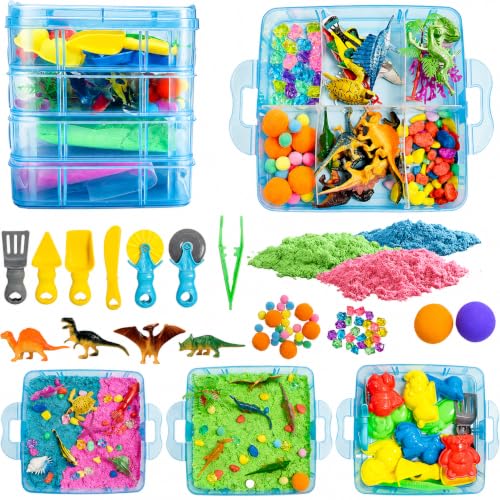
Sensory bins are containers filled with materials that stimulate a child's senses — touch, sight, sound, and even smell. They are a cornerstone of sensory play, offering a hands-on way for kids to explore textures, colors, and shapes. Whether it's dry rice, water beads, or kinetic sand, these bins provide endless opportunities for creative play and learning.
For sensory baby toys, bins can be simple and safe. For older kids, they become intricate worlds that encourage problem-solving and imaginative storytelling.
Key Benefits of Sensory Bins
🧠 Cognitive Growth
Enhances problem-solving, memory, and focus through exploration.
✋ Fine Motor Skills
Scooping, pouring, and grasping strengthen hand muscles and coordination.
😌 Calming Effect
Helps regulate emotions and reduce anxiety, making them great anxiety relief toys.
🗣️ Language Development
Encourages descriptive vocabulary and social interaction during play.
Creative Sensory Bin Ideas
🌈 Rainbow Rice Bin
Dyed rice in vibrant colors. Add scoops, spoons, and small toys for a classic, mess-friendly activity.
💧 Water Bead Ocean
Hydrated water beads create a squishy, slippery texture. Pair with sea creature toys for a mini ocean.
🌾 Kinetic Sand Castle
Moldable sand that never dries out. Perfect for building and shaping, great for fine motor skill development.
🍂 Nature Exploration Bin
Fill with pinecones, leaves, and sticks. Encourages outdoor connection and sensory discovery.
How to Choose the Right Sensory Bin
Selecting the perfect sensory bin depends on your child's age, interests, and sensory needs. Here's a quick guide:
- For Babies (6–12 months): Use large, safe objects like fabric scraps or soft building blocks. Avoid small parts.
- For Toddlers (1–3 years): Introduce dry rice, pasta, or water play toys. Always supervise.
- For Preschoolers (3–5 years): Add themed items like letters, numbers, or play food sets to boost learning.
- For School-Age (6+): Offer complex bins with science themes, like volcano eruptions or fossil digs.
If you're looking for hands-on toys for 3-year-olds or toys for 9–12 months, sensory bins are an excellent choice.
Safety First: Sensory Bin Tips
- ✔ Always supervise children during sensory play.
- ✔ Use non-toxic, food-grade materials for younger kids.
- ✔ Avoid choking hazards — no small parts for under 3s.
- ✔ Clean bins regularly to prevent bacteria growth.
Ready to Start Your Sensory Journey?
Explore our curated selection of sensory toys, bins, and accessories. From compression sensory toys to pop-it toys, we have everything you need.
Shop Sensory Toys Now