What Are Anxiety Relief Toys and How Do They Work?
Anxiety relief toys are purpose-built objects that engage the senses — touch, sight, and sometimes sound — to help children self-soothe and regulate their emotions. When a child is anxious, their nervous system goes into overdrive. A calming toy provides a simple, repeatable action that redirects attention and brings the body back to a steadier state.
These toys are not a treatment for anxiety disorders. Instead, they are practical everyday tools that support coping skills, much like deep breathing or a quiet corner. Occupational therapists and child development specialists often recommend them as part of a broader self-regulation routine.
The most effective calming toys share three traits: they are easy to use without instruction, they offer satisfying sensory feedback, and they are portable enough to carry into classrooms, cars, and waiting rooms.
The Main Types of Calming Toys for Kids
Fidget Tools
Fidget tools keep hands busy with clicking, spinning, or squeezing motions. They are especially helpful for children who need to move to concentrate. Unlike a game or a screen, a fidget toy occupies the hands while the brain stays on the task at hand. If you are shopping specifically for older children and teens, explore our guide to anxiety fidget toys for adults, which covers more sophisticated mechanisms and durability.
Sensory Putty and Dough
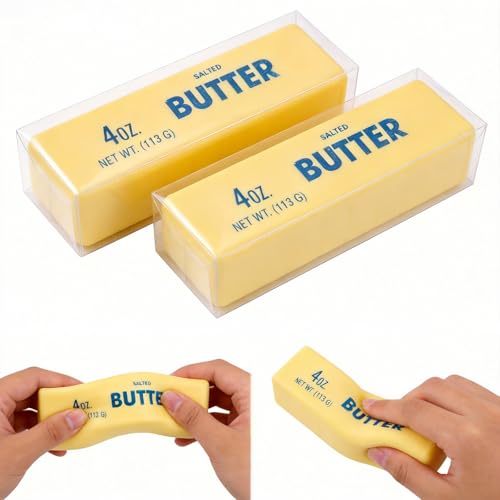
Stretchy, moldable putty provides deep tactile input that can be deeply calming for children who crave touch. It is quiet, mess-contained, and works well during homework or quiet time.
Weighted and Tactile Plush Toys
Weighted plush animals offer gentle pressure that many children find grounding — similar to the reassurance of a hug. They are particularly useful at bedtime or during transitions. For children who prefer soft, huggable companions, our collection of stuffed animals includes options with calming textures and sizes suited to different ages.
Calming Motion Toys
Slow-moving visual toys — liquid timers, spinning tops, and glitter wands — give anxious eyes something soothing to follow. The gentle, predictable motion helps reset attention and can be used as a quiet-time cue.
Chewable and Oral Motor Tools
For some children, oral stimulation is calming. Chew-safe necklaces and pencil toppers are discreet tools that satisfy this need, often recommended by occupational therapists for children who chew on clothing or pencils when stressed.
How to Choose the Right Anxiety Relief Toy
Choosing well matters more than choosing many. A single well-matched toy is more effective than a drawer full of mismatched ones. Use this framework to narrow down the right fit.
Entry-Level Calming Tools
Simple, single-function fidgets like clickers, spinners, or a basic sensory putty. Ideal for testing which sensory input a child responds to before investing further. Good value for its tier and easy to replace.
Balanced Calming Kits
Multi-tool sets or higher-quality fidgets with smoother mechanisms and durable construction. These are competitive within their class and often the best long-term fit for daily school use.
Premium Sensory Aids
Therapist-recommended designs, weighted plush with reinforced stitching, or high-end sensory kits. Feature-rich for their category and built for frequent, long-term handling.
Match the Toy to the Anxiety Trigger
- Restlessness and difficulty sitting still: fidget tools, chewable toppers, or a small squeeze toy.
- Sensory overload: noise-reducing headphones paired with a tactile putty or weighted lap pad.
- Bedtime worry: weighted plush, a liquid motion timer, or a calming bedtime routine anchored by a soft toy.
- Transitions and travel: compact, quiet fidgets that clip to a backpack and need no setup.
- Focus during homework: putty or a silent fidget that occupies the hands without distracting siblings.
Consider Age and Safety First
Always follow the age recommendation on the packaging. For children under three, choose large, choke-safe sensory toys with no small detachable parts. For school-age children, check that the toy is quiet enough for classroom use and durable enough for daily handling. A toy that breaks quickly becomes a source of frustration rather than calm.
If you are building a broader calming play space, pair these tools with sensory-friendly options from our baby toys and educational toys collections, where you will find textured, age-appropriate options that support development.
Practical Ways to Use Calming Toys at Home and School
Introduce the toy during a calm moment, not in the middle of a meltdown. Practice using it together so the child knows what to do before they need it. Many families create a small “calm kit” — a pouch with one fidget, one tactile item, and one visual timer — that travels between home, school, and the car.
Teachers and caregivers benefit from clear expectations: the toy is a tool, not a toy for playtime. When used consistently, these tools become a familiar cue that signals safety and routine, which is itself deeply calming for anxious children.
For children who respond well to structured, hands-on activities, combining calming toys with focused play can be powerful. Explore our play ideas for screen-free activities that pair well with sensory tools and support emotional regulation through play.
Common Mistakes to Avoid
- Buying too many at once. Start with one or two and observe which input the child gravitates toward.
- Choosing loud or visually busy fidgets. These can add stimulation rather than reduce it.
- Ignoring school rules. Check that the toy is classroom-appropriate — quiet, small, and not a distraction to classmates.
- Treating the toy as a cure. Calming toys support coping skills; they work best alongside conversation, routine, and professional guidance when needed.
Frequently Asked Questions
What are anxiety relief toys?
They are objects designed to help children self-regulate through tactile, visual, or auditory stimulation. Common examples include fidget tools, sensory putty, weighted plush, and calming motion toys. They support focus and emotional regulation rather than treating anxiety disorders.
At what age can a child use anxiety relief toys?
Most calming toys are suitable for children aged three and up, but always follow the age recommendation on the packaging. For toddlers and babies, choose large, choke-safe sensory toys with no small detachable parts.
Are fidget toys effective for anxiety?
Fidget toys can help some children channel restless energy and improve focus, but effectiveness varies by child. They work best as part of a broader self-regulation routine and should be chosen with a child's sensory preferences in mind.
Should calming toys be used during class?
Many classrooms allow quiet fidget tools when they help a child focus, but policies vary. Check with the teacher first and choose a silent, small tool that will not distract classmates.
How do I know if a calming toy is working?
Look for signs of settling: slower breathing, calmer hands, improved focus, or the child returning to an activity more easily. If a toy seems to increase agitation, try a different sensory input instead.