The Ultimate Play Food Set Guide
Complete toy groceries, fruits, veggies, and pretend meals for imaginative kitchen play. Expert tips for every age.
SHOP TOP PLAY FOOD SETS🍎 Why a Play Food Set? A high-quality play food set is more than just toys—it's a gateway to social skills, language development, and cognitive growth. Whether your child is running a pretend grocery store or cooking a feast, these toys build real-world understanding through fun.
Benefits of Play Food & Toy Groceries
Play food sets offer a rich blend of educational and developmental benefits. They encourage imaginative play, helping children role-play everyday scenarios like shopping, cooking, and serving meals. This builds vocabulary as they name foods, colors, and actions. Sorting and categorizing food items also strengthens early math skills and logical thinking. For picky eaters, playing with toy food can reduce anxiety around new foods, making mealtime more approachable.
When children engage in pretend cooking, they practice sequencing and planning—first you chop, then you cook, then you serve. This type of play-based learning is invaluable for cognitive flexibility. Additionally, sharing and trading food items in group play fosters social-emotional growth, teaching cooperation and negotiation.
Types of Play Food Sets: Which One Fits Your Child?
🥩 Meat & Protein
Realistic steaks, chicken, fish, and deli slices. Great for teaching food groups and building complete meals.
🍎 Fruits & Veggies
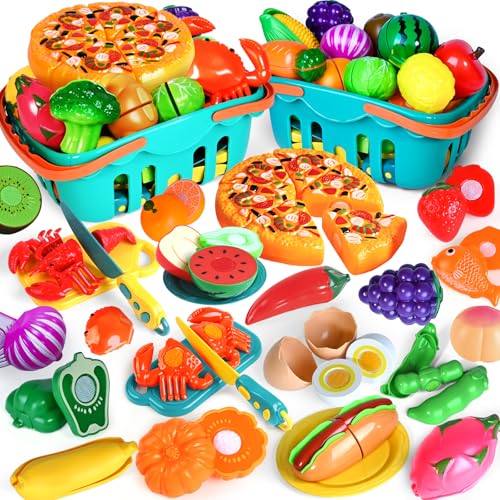
Bright, colorful produce that encourages healthy eating habits. Often comes with cutting play for extra fun.
🍰 Bakery & Sweets
Bread, croissants, cookies, and cakes—perfect for tea parties and dessert-making role-play.
🧀 Dairy & Pantry
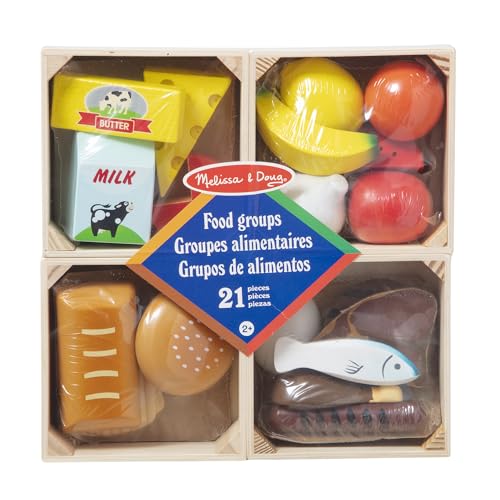
Milk, cheese, eggs, and pantry staples like pasta and canned goods for realistic grocery shopping.
🍳 Cooking Kits
Complete sets with pots, pans, utensils, and prepped ingredients for a full kitchen experience.
🎁 Deluxe Grocery Bundles
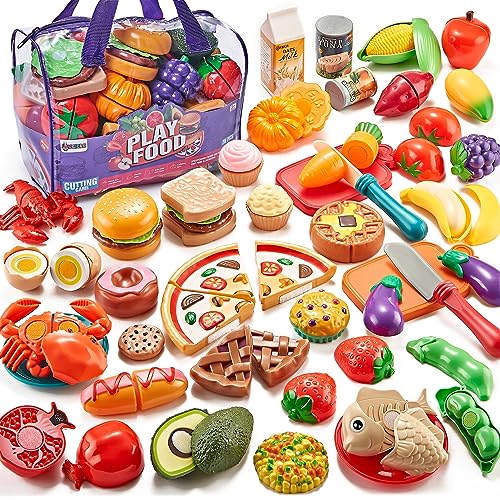
All-in-one play food sets with dozens of items, shopping baskets, and sometimes even a cash register.
When choosing a set, consider your child's age and interests. For toddlers, larger, chunky pieces are safer and easier to grip. Older kids enjoy detailed sets with more pieces and realistic accessories. Many sets are compatible with play kitchens, so you can build a complete pretend-play environment.
Age-Appropriate Play Food Sets
| Age Range | Recommended Features | Safety Notes |
|---|---|---|
| 1–2 Years | Large, soft pieces (fabric or rubber), bright colors, no small parts. | Choking hazard: avoid pieces smaller than 1.5 inches. |
| 3–4 Years | Durable plastic or wooden sets, cutting play (Velcro or magnetic), 15–30 pieces. | Ensure edges are smooth; avoid sharp utensils. |
| 5–7 Years | Detailed, realistic sets with many accessories, grocery baskets, and cooking tools. | Check for non-toxic paints and sturdy construction. |
| 8+ Years | Complex sets with over 50 pieces, mini shopping carts, and even pretend money. | Supervise small items that could be swallowed by younger siblings. |
Always check the manufacturer's age recommendation. If you're shopping for a child who loves to play pretend, a toy grocery set can be a fantastic addition. Pair it with a play kitchen for an immersive experience that can keep kids engaged for hours.
Materials & Safety: What to Look For
Safety is paramount when choosing a play food set. Look for BPA-free plastic, non-toxic paints, and lead-free finishes. Wooden sets are durable and eco-friendly, while silicone and fabric sets are soft and safe for toddlers. Always inspect the set for sharp edges or loose parts that could become choking hazards.
We also recommend checking for ASTM or EN71 certification, which ensures the toy meets international safety standards. For more information on safe toy materials, visit our materials & safety guide. Regularly inspect the play food for wear and tear, and discard any pieces that are broken or have peeling paint.
How to Choose the Best Play Food Set
Start by considering your child's current interests. Do they love cooking with you? Then a full kitchen set with pots and utensils might be best. Are they fascinated by the grocery store? A shopping basket with a variety of foods is ideal. Think about storage too—some sets come with a carrying case or basket, making cleanup easy and encouraging organization.
Also consider the number of pieces. A set with 15–30 pieces is great for toddlers, while older kids may enjoy larger sets with 40+ items. Look for versatility: sets that include fruits, vegetables, proteins, and grains are more educational, allowing you to teach balanced meals. You can also expand the play by combining with other pretend food items or puppets for storytelling.
Learning Through Play: Educational Benefits
Play food sets are a cornerstone of early childhood education. They introduce concepts of nutrition, counting, colors, and even basic economics when paired with a pretend cash register. Children learn to categorize (fruits vs. vegetables), sequence (preparing a meal), and use descriptive language (sweet, sour, crunchy).
For parents and educators, these sets are excellent tools for teaching social skills. Role-playing shopping or restaurant scenarios builds communication and turn-taking. It also fosters empathy and understanding of others' needs—a key component of emotional intelligence. Explore more educational toys to complement your child's learning journey.
Fun Play Ideas with Your Play Food Set
- 🍽️ Restaurant Role-Play – Set up a pretend restaurant and take orders from family members.
- 🛒 Grocery Store – Arrange foods on a shelf and let your child shop with a basket and play money.
- 🌱 Garden-to-Table – Combine with a garden playset to teach where food comes from.
- 📚 Story Cooking – Read a story about food and reenact the meals with the play set.
- 🧩 Matching Games – Sort foods by color, category, or first letter (A for apple).
For more inspiration, check out our play ideas section, or combine with board games for a full game night experience.
Maintenance & Cleaning Tips
To keep your play food set in top condition, wash plastic and silicone pieces with mild soap and warm water. Wooden sets should be wiped with a damp cloth and dried immediately. Avoid soaking wooden toys to prevent warping. Fabric food items (like felt fruits) can be spot-cleaned or hand-washed.
Store all pieces in a cool, dry place to prevent mold and mildew. Regularly disinfect surfaces, especially if the toys are shared among multiple children. For long-lasting play, avoid leaving them in direct sunlight, which can fade colors. Visit our toy care guide for more detailed maintenance advice.
Ready to Choose the Perfect Play Food Set?
Browse our curated selection of top-rated toy groceries and pretend food sets—perfect for birthdays, holidays, or just because.
SHOP PLAY FOOD SETS NOW