🧸 Toy Groceries: The Ultimate Play Food Guide
From pretend shopping carts to realistic food sets, discover how toy groceries inspire creativity, teach life skills, and bring endless joy to your child's play kitchen. Explore our expert guide to the best play food sets for every age.
Shop Top Toy Groceries →What Are Toy Groceries & Why Do Kids Love Them?
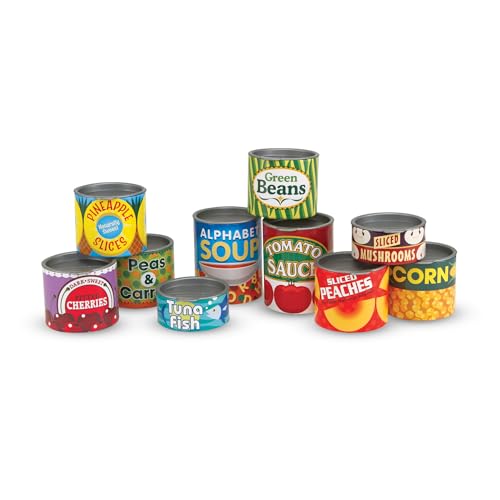
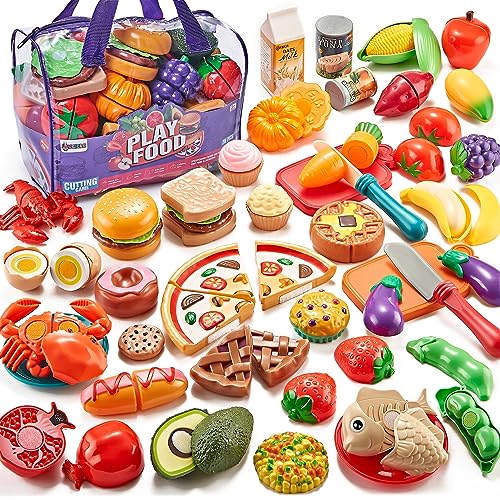
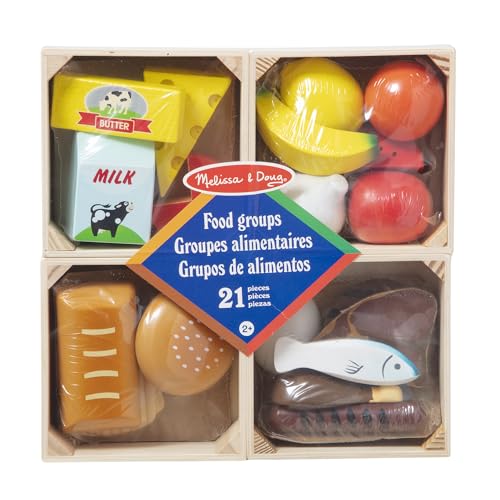
Toy groceries — also known as play food sets, pretend groceries, or toy shopping carts — are miniature replicas of everyday food items designed for children's imaginative play. These toys often include fruits, vegetables, bakery items, canned goods, and even toy shopping carts or grocery baskets. They are a staple in pretend kitchens, playrooms, and preschools worldwide.
But toy groceries are more than just fun! They are powerful educational tools that help children develop essential cognitive, social, and motor skills. Through pretend play, kids learn about food groups, counting, sorting, and even basic budgeting — all while having a blast.
In this comprehensive guide, we'll explore the benefits of toy groceries, what to look for when buying them, and our top picks for the best play food sets on the market today. Whether you're shopping for a toddler or a school-age child, we've got you covered.
Top Benefits of Toy Groceries for Kids
Investing in high-quality play food sets offers a wide range of developmental benefits. Here's why toy groceries are a must-have in any child's toy collection:
🍎 Imaginative Play
Kids recreate real-life shopping and cooking experiences, boosting creativity and narrative skills.
🧮 Math & Counting
Sorting, counting, and grouping food items introduce early math concepts in a playful way.
🗣️ Language Development
New vocabulary (fruits, vegetables, dairy, etc.) and conversational practice during role-play.
🤝 Social Skills
Sharing, negotiating, and collaborating during grocery store pretend play with siblings or friends.
🥦 Healthy Eating Awareness
Familiarity with a variety of foods encourages positive attitudes toward nutritious eating habits.
✋ Fine Motor Skills
Handling small pieces, opening containers, and arranging items builds dexterity and hand-eye coordination.
How to Choose the Best Toy Groceries: A Buyer's Guide
Not all play food sets are created equal. When selecting toy groceries for your child or as a gift, consider these key factors to ensure you pick a safe, durable, and engaging set:
🔒 Safety First
Always check for age recommendations and safety certifications. For younger children (under 3), avoid small parts that could pose a choking hazard. Look for BPA-free, non-toxic materials and smooth, rounded edges.
🧩 Realism & Detail
High-quality toy groceries feature realistic colors, textures, and details that enhance the pretend play experience. Some sets even include packaging labels, barcodes, and produce stickers for added authenticity.
📦 Variety & Completeness
A well-rounded set includes a mix of food groups (fruits, veggies, proteins, grains, and dairy). Sets that come with a shopping cart, basket, or play cash register add even more value and play options.
🧼 Durability & Cleanability
Kids play hard! Choose sets made from sturdy materials that can withstand rough handling. Many play food items are dishwasher-safe or easy to wipe clean with a damp cloth.
🎯 Age-Appropriateness
For toddlers, large chunky pieces are ideal. As children grow, you can introduce more detailed and intricate food sets. Check the product description for age guidance.
For more guidance on choosing age-appropriate toys, check out our guide for 4-year-olds and toys for 9-12 months.
Top Toy Grocery Sets for Every Budget
Ready to shop? Here are some of the most popular and highly-rated toy grocery sets that combine quality, fun, and educational value. Whether you're looking for a basic starter set or a deluxe grocery store playset, you'll find excellent options below.
Each set listed is carefully selected to ensure it meets safety standards and delivers outstanding play value. Prices are current and reflect average market rates as of this writing.
- Deluxe Play Food Set (50+ Pieces) – $35–$50: Includes a wide variety of fruits, vegetables, meats, breads, and dairy items. Comes with a sturdy storage basket.
- Wooden Play Food & Shopping Cart Combo – $45–$65: Beautifully crafted wooden foods with a lightweight cart. Perfect for eco-conscious families.
- Pretend Grocery Store Playset – $60–$90: Includes shelves, shopping cart, play food, and a cash register with scanning sounds.
- Fruit & Vegetable Cutting Set – $25–$35: Magnetic or velcro pieces that kids can "cut" with a toy knife, promoting fine motor skills.
- Budget-Friendly Grocery Basket Set – $20–$30: A great starter set with a shopping basket and 20+ assorted food items.
Remember, the best set depends on your child's age, interests, and the space you have available for play. For smaller spaces, a compact play food set with a basket is perfect.
Creative Ways to Play with Toy Groceries
Maximize the fun and learning with these creative play ideas that go beyond basic pretend shopping:
- Grocery Store Role-Play: Set up a "store" at home. Take turns being the shopper, cashier, and stock clerk. Use real or pretend money for transactions.
- Sorting & Classification: Have your child sort foods by color, food group, or meal type (breakfast, lunch, dinner).
- Meal Planning: Ask your child to plan a balanced meal using the play foods. Discuss healthy choices and nutrition.
- Counting & Basic Math: Practice counting items, adding "prices" together, or dividing foods equally among "customers."
- Storytelling: Encourage your child to create stories about where the food came from (e.g., the farm, the bakery) or who they are cooking for.
- Matching Games: Pair toy foods with pictures of real foods or use them in memory games.
These activities not only extend playtime but also build essential life skills. For more ideas on toy guides and play ideas, explore our extensive resource library.
Frequently Asked Questions About Toy Groceries
Q: What age is appropriate for toy groceries?
A: Most play food sets are suitable for ages 3 and up. However, there are also chunky, larger sets designed for toddlers 18 months and older. Always check the manufacturer's age recommendation.
Q: Are toy groceries safe for kids?
A: Yes, when made from non-toxic materials and free from small parts that could be a choking hazard. Look for sets that meet safety standards (e.g., ASTM, CE).
Q: Can toy groceries help picky eaters?
A: Absolutely! Familiarizing children with different foods through play can reduce food neophobia (fear of new foods) and make them more open to trying new things at mealtime.
Q: How do I clean play food sets?
A: Most plastic play food can be wiped down with a mild soap solution or placed in the top rack of the dishwasher. Wooden sets should be wiped with a damp cloth and dried immediately. Avoid submerging wooden toys in water.
Q: What's the difference between play food and toy groceries?
A: The terms are often used interchangeably. "Toy groceries" typically refers to sets that include a shopping cart or basket and a wider variety of foods, mimicking a grocery store experience.
🛒 Ready to Build Your Child's Toy Grocery Collection?
Browse our handpicked selection of the best play food sets below. Each product is chosen for its quality, safety, and play value. Click to see current prices and availability.
Shop Toy Groceries Now →