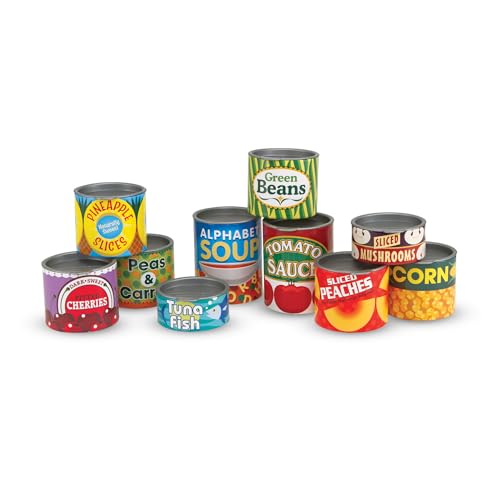
Grocery Store Toys: Spark Imaginative Play with Toy Groceries
From miniature shopping carts to toy cash registers, discover how pretend-play grocery sets help children build social skills, learn about food, and enjoy hours of creative role-play fun.
EXPLORE GROCERY TOYS🧺 Why Grocery Store Toys Matter: Pretend-play grocery sets are more than just toys — they are powerful learning tools. By mimicking a real shopping trip, children practice language, counting, categorization, and social interaction. This guide walks you through the different types of grocery-store playsets, what features to look for at each quality tier, and how to choose the right set for your child's age and interests.
What Are Grocery Store Toys?
Grocery store toys are pretend-play sets that recreate the experience of shopping at a supermarket. They typically include miniature shopping carts, toy groceries, play cash registers, shelf units, and sometimes scanning accessories. These sets fall under the broader category of toy groceries and encourage children to role-play as shoppers, cashiers, or store managers.
Children as young as two begin to show interest in imitating adult routines, and a grocery-store playset offers a safe, structured way to explore that world. As kids grow, the complexity of the play increases — from simple fill-and-dump shopping cart play to organized checkout scenarios that involve counting, sorting, and exchanging play currency. Whether you are shopping for a toddler or an older child, understanding the available options will help you make a confident choice.
For parents building a complete pretend-play collection, grocery-store toys pair naturally with children's play houses, toy cash registers with scanners, and toy trucks for delivery scenarios. Many families also rotate grocery sets with other pretend-play themes using a toy rotation system to keep playtime fresh.
Types of Grocery Store Toys
The grocery-store toy category is broad. Understanding the main sub-types helps you narrow down what will work best for your child's age, play style, and your available storage space. Below are the most common categories, each with a recommended quality tier to help you compare options.
Shopping Cart Sets
Small wheeled carts with a basket and handle. Often bundled with a few play-food items. Ideal for toddlers and preschoolers who enjoy push-and-fill play.
Toy Grocery Baskets & Food Sets
Assorted play-food items — fruits, vegetables, boxes, cans — that children can sort, stack, and "purchase." These sets build vocabulary and categorization skills.
Play Cash Registers & Checkout Stations
Battery-operated or mechanical registers with drawers, scanners, and sometimes sound effects. These bring the checkout experience to life and support math readiness.
Complete Supermarket Playsets
All-in-one setups that include shelving, a register, carts, and dozens of food pieces. These are the most feature-rich options and support long-term, multi-child play.
What to Look For in a Grocery Store Toy Set
Not all grocery-store toys are created equal. The best sets balance durability, age-appropriateness, and open-ended play value. Here are the key factors to evaluate before you choose.
- Durable construction: Look for reinforced plastic or solid wood builds that can withstand enthusiastic play. Entry-level sets often use thinner plastic, while premium and top-tier sets typically feature heavier-duty materials.
- Age-appropriate sizing: Toddler sets should have chunky pieces with no small parts. Older children can handle smaller food items and more complex mechanisms like working scanners.
- Open-ended play value: Sets that include multiple food types, stackable containers, and interchangeable accessories offer more replay value than single-purpose items.
- Storage and portability: Collapsible carts and stackable baskets make cleanup easier. Consider whether the set needs to fit on a shelf or inside a toy shelf.
- Safety certifications: Always check for non-toxic finishes and age-safety labels, especially for sets intended for children under three.
Grocery Store Toy Comparison by Tier
Use the table below to compare the main grocery-toy categories across quality tiers. This helps you match a set to your child's age and your family's play needs without relying on numerical figures.
| Toy Type | Quality Tier | Best For | Key Features |
|---|---|---|---|
| Shopping Cart Set | Entry-Level | Toddlers (2–3 years) | Lightweight frame, chunky handle, basic basket |
| Grocery Basket & Food Set | Mid-Tier | Preschoolers (3–5 years) | Assorted play foods, stackable crates, sorting play |
| Play Cash Register | Premium | Early school age (4–7 years) | Working drawer, scanner, sound effects, play coins |
| Complete Supermarket Playset | Top-Tier | School age (5–9 years) | Shelving, register, cart, extensive food assortment |
| Toy Groceries (Refill Packs) | Essential Tier | All ages (3+ with supervision) | Additional food pieces, durable molded plastic |
How to Choose the Right Grocery Store Toy
The right choice depends on your child's developmental stage and your play-space setup. For a child who is just beginning pretend play, a simple shopping cart with a handful of play groceries is often the most engaging option. It is easy to grasp, encourages movement, and introduces the shopping concept without overwhelming complexity.
As children approach preschool age, they begin to enjoy sorting, naming, and categorizing items. This is the ideal time to introduce a mid-tier grocery basket set with a variety of food types. You can extend the play by pairing the set with a toy cash register with scanner and microphone, which adds a checkout dimension and supports early math skills.
For families with multiple children or a dedicated playroom, a top-tier complete supermarket playset offers the most long-term value. These sets are feature-rich for their class and often include shelving units that double as storage. If space is limited, consider a collapsible cart and a compact register instead of a full setup, and store the food pieces in labeled bins.
Safety should always come first. Check age-safety labels on every set, and supervise young children during play, especially with smaller food pieces. For more guidance on age-appropriate choices, explore our toy gift guides and toy guides.
Grocery Store Toys by Age Group
2–3 Years
Focus on large, easy-to-grip items. A simple shopping cart and a few chunky play-food pieces are ideal. Avoid sets with small parts or intricate mechanisms.
3–5 Years
Introduce grocery baskets, sorting activities, and basic play registers. Children at this age enjoy naming items and mimicking the checkout process.
5–8 Years
Complete supermarket playsets with working registers and shelving provide richer role-play. Children can take turns as cashier and shopper, practicing cooperation.
8+ Years
Older children may prefer more realistic setups or expanded play-food collections. They can also combine grocery toys with other pretend-play themes for complex scenarios.
Frequently Asked Questions
What age is appropriate for grocery store toys?
Most grocery-store toys are designed for children aged 2 and up. Simple carts and chunky food pieces suit toddlers, while sets with small parts or working mechanisms are better for ages 3–5 and older. Always check the manufacturer's age recommendation.
Are grocery store toys educational?
Yes. Pretend-play grocery sets support language development, categorization, counting, and social skills. They also encourage cooperative play when children take turns as shopper and cashier.
What should I look for in a play cash register?
Look for a working drawer, easy-to-press buttons, and durable construction. Mid-tier and premium registers often include a scanner and sound effects, which add realism and engagement for older preschoolers.
How many play-food pieces do I need?
A starter set with 10–20 pieces is sufficient for one child. Families with multiple children may benefit from a larger assortment. Refill packs of toy groceries can expand an existing collection without requiring a new playset.
Can grocery store toys be combined with other pretend-play sets?
Absolutely. Grocery toys pair well with play kitchens, dollhouses, and ride-on toys. Children often create delivery scenarios using toy trucks or set up a small shop inside a play house.
Ready to Build Your Child's Dream Supermarket?
Browse our hand-picked selection of grocery store toys below. From starter carts to complete playsets, these sets are chosen for durability, play value, and age-appropriate design.
SEE RECOMMENDED SETS