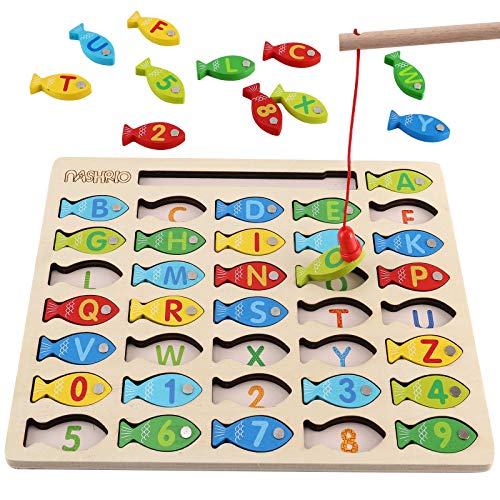
Top Educational Toys for 3 Year Olds
Expert-curated guide to the best learning toys that spark curiosity, build foundational skills, and make playtime count for your growing preschooler.
🧠 Why This Guide Matters: At age three, children are entering a critical window of brain development. They are refining motor skills, expanding vocabulary, and beginning to understand cause-and-effect relationships. The right educational toys can accelerate these milestones through joyful, hands-on play. This guide distills expert recommendations so you can make a confident, informed choice for your child.
Why Educational Toys Matter at Age Three
Three-year-olds are natural explorers. Their brains form over a million neural connections every second, and play is the primary vehicle for that growth. Educational toys are designed to channel this energy into structured discovery, turning everyday play into powerful learning experiences.
Unlike passive entertainment, educational toys require active engagement. A shape sorter demands problem-solving. A pretend grocery store set builds social skills and vocabulary. A set of magnetic tiles introduces early geometry and spatial reasoning. Each type of toy targets a specific developmental domain while remaining genuinely fun.
- Cognitive development: Problem-solving, memory, and logical thinking through puzzles, sorting, and matching games.
- Fine motor skills: Hand-eye coordination and dexterity developed through stacking, threading, and manipulating small objects.
- Language and literacy: Vocabulary expansion and early phonics through talking toys, story-based play, and alphabet games.
- Social-emotional growth: Sharing, turn-taking, and empathy practiced through pretend play and cooperative games.
- Creativity and imagination: Open-ended play with art supplies, building sets, and role-play toys encourages original thinking.
The Best Categories of Educational Toys for 3 Year Olds
Not all educational toys are created equal. The most effective ones align with a three-year-old's developmental stage, holding attention while gently stretching their abilities. Below are the categories that consistently earn top marks from child development experts.
- Building Blocks & Construction Sets Classic wooden blocks, interlocking bricks, and magnetic tile sets teach spatial awareness, balance, and early engineering concepts. They are open-ended, meaning a child can build a tower, a house, or a pretend car, fueling imagination alongside logic.
- Puzzles & Shape Sorters From simple chunky wooden puzzles to multi-piece jigsaws, these toys sharpen visual-spatial reasoning and fine motor control. Look for puzzles with themes that match a child's interests, such as animals, vehicles, or family scenes.
- Pretend Play Sets Play kitchens, grocery store toy sets, and toy tool sets are powerhouse learning tools. They build vocabulary, teach sequencing (first we shop, then we cook), and encourage cooperative play with siblings or friends.
- Sensory & STEM Toys Sensory bins, water tables, and introductory coding toys engage multiple senses simultaneously. Early STEM kits designed for threes introduce patterns, measurement, and cause-and-effect in a playful, pressure-free way.
- Art & Creative Materials Chunky crayons, washable markers, play dough, and stamp sets develop fine motor skills and self-expression. Creative play also supports emotional regulation, giving children a safe outlet for big feelings.
- Language & Literacy Toys Talking books, alphabet puzzles, and rhyming games build phonological awareness and vocabulary. At three, children are absorbing language at an astonishing rate, and toys that invite conversation are especially valuable.
What to Look For When Choosing Educational Toys
The best educational toy for a three-year-old is one that is safe, developmentally appropriate, and genuinely engaging. Use the following criteria as a checklist before making a decision.
| Tier | Category | Best For |
|---|---|---|
| Essential Tier | Wooden blocks, chunky puzzles, shape sorters | Building foundational motor and cognitive skills |
| Balanced Tier | Pretend play sets, art supplies, sensory bins | Encouraging creativity, language, and social play |
| Top-Tier | STEM kits, coding toys, interactive learning systems | Introducing early math, logic, and technology concepts |
💡 Safety First: Always check the age recommendation on the packaging. For three-year-olds, avoid toys with small parts that could pose a choking hazard. Look for non-toxic finishes, smooth edges, and sturdy construction. Toys that have passed safety certifications are your safest bet. Supervise play, especially with water tables or sensory bins.
How to Maximize Learning Through Play
Even the best toy needs a supportive environment to shine. Here are practical strategies to get the most out of your child's educational toys.
Rotate toys regularly. A toy rotation system keeps the play area fresh and prevents overwhelm. Store most toys out of sight and bring out a curated selection each week. This simple habit dramatically increases engagement and depth of play.
Play alongside your child. You don't need to direct the play, but narrating what you see ("You're stacking the red block on top of the blue one!") reinforces vocabulary and shows that you value their effort. Ask open-ended questions: "What will you build next?" or "What should we cook in the pretend kitchen?"
Create a dedicated play space. A low shelf, a soft rug, and a few open bins signal that this is a place for focused play. Toy shelves that display a rotating selection make toys inviting and accessible without overwhelming clutter.
Follow your child's lead. If they're obsessed with dinosaurs, lean into it. Buy dinosaur puzzles, dinosaur figurines, and dinosaur-themed books. Deep interest fuels deep learning. The toy that captures their imagination is the one that will teach them the most.
Materials and Safety Considerations
Three-year-olds still explore the world with their mouths, so safety is non-negotiable. Choose toys made from non-toxic materials with smooth, rounded edges. Solid wood toys with water-based finishes and BPA-free plastics are excellent choices. Avoid toys with loose parts smaller than a golf ball, and check for recalls before purchasing any secondhand item.
When browsing options, look for clear age labeling and safety certifications. A toy labeled "3+" has been assessed as safe for this age group, but always use your judgment about your individual child's maturity and play style. For more age-specific recommendations, explore our top 10 toys for 3 year olds and our guide to the top-rated toys for 3 year olds.
Ready to Find the Perfect Educational Toy?
Browse our hand-picked recommendations below, curated specifically for 3-year-olds. Every product is reviewed for safety, developmental value, and sheer playtime fun. You can also explore our broader collection of educational gifts for 3 year olds and toys and games for 3 year olds.
Frequently Asked Questions
What types of educational toys are best for 3 year olds?
The best educational toys for 3 year olds include building blocks, shape sorters, puzzles, pretend play sets, sensory toys, and early STEM kits. These toys support cognitive development, fine motor skills, language acquisition, and social-emotional growth through hands-on exploration. Open-ended toys that can be used in multiple ways tend to have the longest lifespan and the greatest developmental impact.
How do I choose safe educational toys for a 3 year old?
Look for toys with age-appropriate safety labels, no small parts that pose choking hazards, non-toxic materials, and smooth edges. Check for compliance with safety standards and always supervise play. Age recommendations on packaging are a reliable guide, but you should also consider your child's individual temperament and play habits. When in doubt, choose the simpler, sturdier option.
How many toys should a 3 year old have at once?
A rotating selection of 8 to 12 toys accessible at a time works well for most 3 year olds. A toy rotation system keeps engagement high, reduces clutter, and helps children focus on deep play rather than bouncing between too many options. Store the rest out of sight and swap them in every week or two to keep the collection feeling fresh.