Drones: Your Complete Guide to Aerial Adventures
From capturing breathtaking aerial photography to experiencing the thrill of FPV racing, discover the perfect drone for your needs. Expert insights, feature breakdowns, and practical advice for every pilot level.
EXPLORE DRONE TYPES🚁 Why Drones? Drones have transformed from niche hobbyist gadgets into versatile tools for photography, videography, racing, and recreation. Whether you're a first-time pilot looking for stable flight and ease of use, or an experienced enthusiast seeking high-speed performance, today's market offers options for every skill level and purpose.
This guide breaks down the key considerations when choosing a drone — from camera quality and flight stability to portability and control systems — so you can make an informed decision with confidence.
Understanding Drone Categories
Drones are not a one-size-fits-all product. Different categories serve different purposes, and understanding these distinctions is the first step toward finding the right model for your goals.
📷 Camera Drones
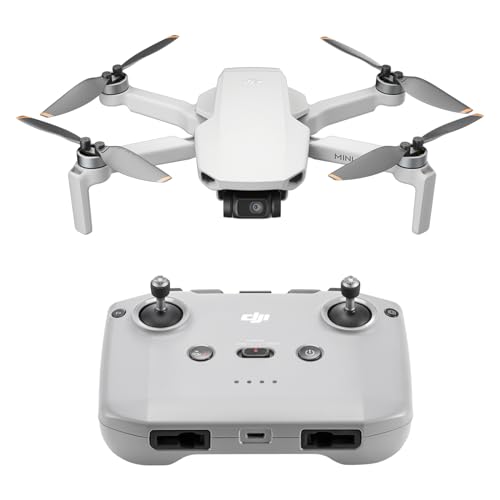
Designed for aerial photography and videography, these drones prioritize stable flight and high-resolution imaging. Features often include gimbal stabilization, high-megapixel sensors, and intelligent flight modes for smooth cinematic shots.
Ideal for content creators, real estate professionals, and travelers who want to capture stunning perspectives from above.
Mid-range to professional-grade🏁 Racing Drones
Built for speed and agility, racing drones are lightweight, highly maneuverable, and often paired with FPV (first-person view) goggles for an immersive piloting experience. Durability is key, as these drones are pushed to their limits.
Best suited for adrenaline seekers and competitive pilots who thrive on precision and speed.
Entry-level to top-tier racing🎓 Beginner Drones
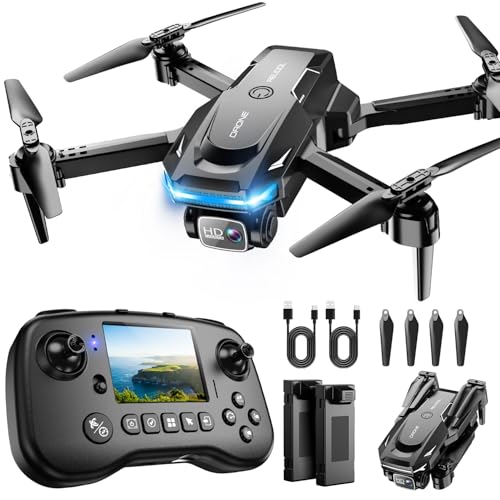
Entry-level models emphasize ease of use with features like altitude hold, headless mode, and one-key takeoff/landing. These drones are typically more forgiving of crashes and help new pilots build confidence.
Perfect for first-time flyers, kids (with adult supervision), and casual users who want a fun, low-stress introduction to drones.
Essential tier / starter tier🏋️ Hybrid & Multi-Purpose Drones
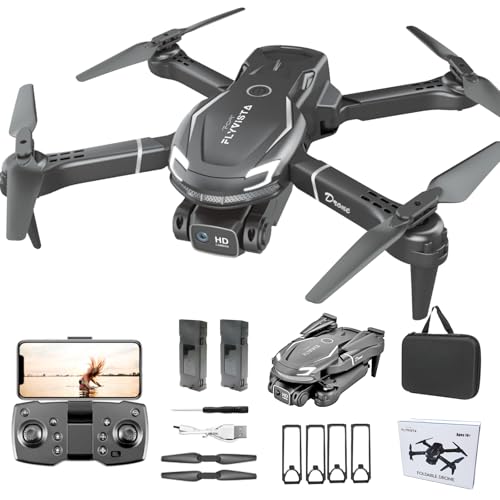
These versatile models blend camera capabilities with sporty flight characteristics. They offer solid imaging alongside responsive controls, making them suitable for both recreational flying and content creation.
A great choice for users who want one drone that can do a bit of everything without committing to a specialized category.
Balanced tierKey Features by Drone Tier
The table below outlines how features typically scale across different market tiers. This helps set realistic expectations and guides your decision based on your priorities.
| Feature | Starter Tier | Mid-Tier | High-End Tier |
|---|---|---|---|
| Camera Resolution | 720p–1080p | 2.7K–4K | 4K–6K with advanced stabilization |
| Flight Stability | Basic altitude hold | GPS-assisted hover | Multi-sensor GPS + obstacle avoidance |
| Control Range | Short-range | Extended range | Long-range with transmission stability |
| Battery Life | 10–15 minutes | 20–30 minutes | 30+ minutes with intelligent power management |
| Portability | Fixed frame | Compact design | Foldable arms, travel-friendly |
| Best For | First-time pilots | Enthusiasts & content creators | Professionals & serious hobbyists |
Matching Drones to Your Experience Level
Understanding where you fall on the experience spectrum helps narrow down your options and ensures a positive first or next experience with drones.
🌱 First-Time Flyers
Prioritize stability, durability, and intuitive controls. Features like headless mode (where the drone moves relative to the pilot's position) and automatic return functions are invaluable. Start with a model that won't punish every mistake.
📈 Intermediate Pilots
You've mastered the basics and want more capability. Look for drones with better cameras, longer flight times, and more responsive controls. This is where you can begin exploring aerial photography or more dynamic flying styles.
🎯 Advanced Enthusiasts
You know what you want and demand performance. Professional-grade camera drones, high-speed racing quadcopters, and advanced FPV systems are your playground. Focus on specifications that align with your specific discipline.
Ready to Take Flight?
Explore our curated selection of drones recommended for various skill levels and purposes. Each model has been evaluated for build quality, performance, and user experience.
VIEW RECOMMENDED DRONESFrequently Asked Questions
Beginners should prioritize stability features like GPS hold and altitude hold, durable construction to withstand crashes, and intuitive controls. Models with headless mode and one-key return functions make learning much easier. Additionally, consider drones with propeller guards, which protect both the drone and surrounding objects during those early learning flights.
Camera drones focus on stable flight and high-quality imaging with features like gimbal stabilization and high-resolution sensors. Racing drones prioritize speed, agility, and durability, often using first-person view (FPV) systems for immersive piloting. The design philosophies are almost opposite: camera drones are built to hover smoothly, while racing drones are built to maneuver aggressively at high speeds.
Licensing requirements vary by country and drone weight. Many regions require registration for drones above a certain weight threshold. Always check local regulations before flying, and consider taking a safety course for responsible operation. In many places, recreational flyers must pass a basic safety test and carry proof of registration while flying.
Flight times vary significantly by category. Starter-tier drones typically offer 10–15 minutes of flight, while mid-tier models can achieve 20–30 minutes. High-end drones with intelligent power management can exceed 30 minutes. It's always wise to have spare batteries on hand, as real-world flight times are often slightly lower than manufacturer specifications due to wind, payload, and flying style.
FPV stands for First-Person View, a system where you see what the drone's camera sees in real-time through goggles or a screen. This creates an immersive, cockpit-like experience. FPV is essential for racing drones and popular for cinematic flying. For casual camera drone use, a standard controller with a smartphone or built-in screen is usually sufficient. FPV is an optional enhancement for those seeking a more immersive experience.
Yes, with proper supervision and age-appropriate models. Many manufacturers produce beginner-friendly drones specifically designed for younger pilots, featuring protective propeller guards, slower flight modes, and simplified controls. Children under a certain age should always be supervised by an adult. Start with indoor-friendly micro drones to build confidence before moving to outdoor models.
Related Guides & Resources
Expand your knowledge with these related articles from our site: