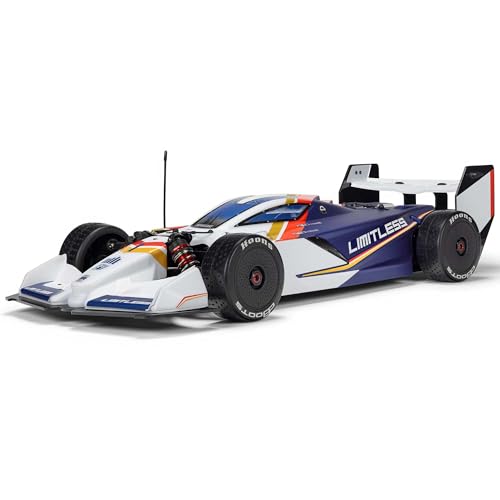
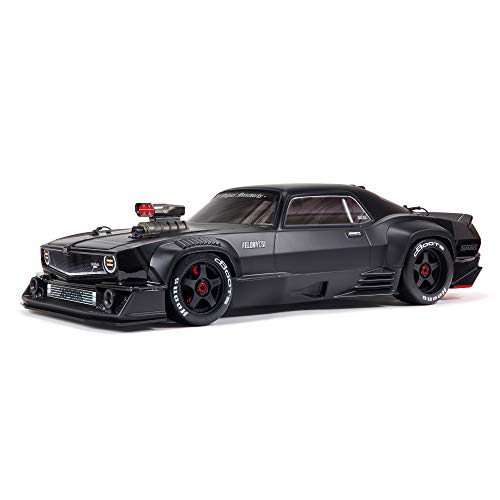
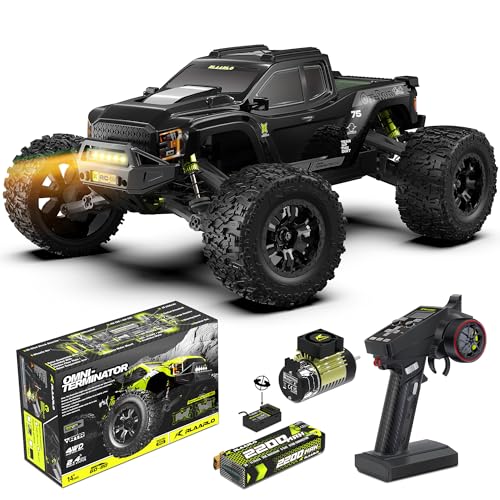
Fastest RC Car in the World: The Ultimate Speed Guide
Uncover the engineering marvels behind the fastest remote control cars on the planet. From brushless powerplants to aerodynamic chassis design, here is everything you need to know before choosing a high-speed RC machine.
Explore Top Speed Models⚡ Speed Enthusiast's Corner: The pursuit of the fastest RC car in the world is not just about raw velocity — it is about motor efficiency, battery chemistry, chassis rigidity, and tire compound. Whether you are a weekend basher or a serious speed-run hobbyist, understanding these fundamentals will help you select a machine that matches your ambition and driving environment.
What Defines the Fastest RC Car?
The fastest RC cars are purpose-built speed machines that push the boundaries of miniature engineering. Unlike casual toy-grade vehicles, these high-performance models feature brushless motors, lithium-polymer battery systems, and precision-machined drivetrains. The world record for the fastest RC car has surpassed the 200 mph mark, achieved by custom-built speed-run platforms with aerodynamic shells and advanced electronic speed controllers.
For most enthusiasts, however, the fastest electric RC cars for adults capable of 100 mph represent the practical pinnacle of accessible speed. These vehicles balance extreme velocity with enough durability to survive repeated runs on prepared surfaces such as parking lots, airfields, or dedicated RC drag strips.
Core Components That Drive Extreme Speed
- Brushless Motor System: The heart of any speed-focused RC car. Higher KV ratings translate to more RPM per volt, directly increasing top-end velocity. Sensorless designs are common in speed applications for their simplicity and high-rev capability.
- High-C Discharge LiPo Batteries: A battery's discharge rate (C-rating) determines how quickly energy can be delivered to the motor. Speed-run vehicles typically demand high-capacity packs with robust discharge capabilities to sustain peak power output.
- Electronic Speed Controller (ESC): The ESC must handle the current draw of a high-KV motor without thermal shutdown. Premium ESCs offer adjustable timing and throttle curves that let drivers fine-tune acceleration and top speed.
- Aerodynamic Body Shell: At triple-digit speeds, air resistance becomes the dominant force. Low-profile, streamlined bodies reduce drag and improve stability, preventing the car from lifting off the ground.
- Precision Tires and Suspension: Foam tires or belted rubber compounds are essential for maintaining grip at speed. Stiff suspension settings reduce weight transfer and keep the chassis planted during high-speed passes.
Speed Tiers: Choosing Your Performance Level
Starter Speed Tier
Perfect for newcomers exploring the hobby. These models offer respectable acceleration and manageable top speeds, making them ideal for learning throttle control and basic maintenance.
Balanced Performance Tier
A sweet spot for enthusiasts who want serious speed without the complexity of professional-grade setups. Mid-range models often include upgraded ESCs and tunable suspension systems.
Flagship Speed Tier
Engineered for record-chasing and competitive speed runs. These machines feature premium materials, advanced telemetry options, and the highest-grade electronic components available.
Feature Comparison Across Speed Tiers
| Feature | Entry-Level | Mid-Range | Top-Tier |
|---|---|---|---|
| Motor Type | Brushed or entry brushless | Brushless, mid-KV | High-KV brushless, sensorless |
| ESC Capability | Basic forward/reverse | Programmable profiles | Advanced timing & data logging |
| Chassis Material | Composite plastic | Reinforced composite / alloy | CNC-machined aluminum |
| Suspension | Fixed or basic oil-filled | Adjustable oil-filled shocks | Fully tunable, race-spec |
| Best For | Learning & casual runs | Enthusiast speed sessions | Record attempts & competition |
Essential Considerations Before You Commit
Driving Surface Matters More Than You Think
Achieving the fastest RC car performance requires a suitable surface. Smooth asphalt, prepared concrete, or dedicated RC drag strips provide the grip needed for high-speed stability. Loose gravel or grass will rob power and cause loss of control. If you plan to explore drifting techniques alongside speed runs, consider models that can be tuned for both disciplines — similar to how driftable RC cars are set up with specific tire compounds and suspension geometry.
Electronic Speed Control and Throttle Management
Even the fastest RC car in the world is only as good as its throttle management system. An electronic speed control RC car with adjustable punch settings allows drivers to dial in acceleration delivery. For speed runs, a smooth throttle ramp prevents wheelspin and keeps the car tracking straight.
Battery Safety and Performance
High-speed RC vehicles demand respect for battery safety. Always use LiPo-safe charging bags, never discharge below the recommended voltage per cell, and inspect packs for swelling after aggressive runs. The chemistry of your battery pack directly influences the consistency of your top-speed passes.
Upgrade Path and Parts Availability
Before committing to a platform, research the aftermarket support ecosystem. The best speed-run cars have abundant upgrade options — from motor mounts and spur gears to aerodynamic wings and titanium turnbuckles. A strong parts network ensures your machine can evolve as your ambitions grow.
Age and Skill Appropriateness
High-speed RC cars are not toys in the traditional sense. They require mature handling, spatial awareness, and mechanical sympathy. For younger drivers, consider starting with drivable toy cars for 8-year-olds before graduating to hobby-grade speed machines. Adult supervision is essential whenever young enthusiasts are near high-performance RC vehicles.
Frequently Asked Questions
What is the actual top speed of the fastest RC car?
The absolute record for the fastest RC car exceeds 200 mph, achieved by custom-built speed-run vehicles with specialized aerodynamic shells and high-voltage power systems. Production hobby-grade models typically reach speeds between 60 mph and 100 mph, with top-tier flagship platforms approaching the upper end of that range.
Do I need a special surface to reach top speed?
Yes. Smooth, clean asphalt or prepared concrete provides the traction and consistency needed for high-speed runs. Uneven surfaces, debris, or loose material can cause instability and damage at speed. Many enthusiasts use empty parking lots, airfields, or dedicated RC drag strips.
How difficult is it to maintain a high-speed RC car?
Maintenance requirements scale with performance. Top-tier speed machines demand regular inspection of tires, bearings, drivetrain components, and electronic systems. Entry-level models are more forgiving, but all high-speed RC cars benefit from a disciplined post-run cleaning and inspection routine.
Can beginners handle the fastest RC cars?
It is strongly recommended that beginners start with entry-level or mid-range models to develop throttle control and mechanical familiarity. Jumping directly to a top-tier speed machine increases the risk of crashes, component damage, and safety incidents. Progressive skill building is the safest path.
What upgrade should I prioritize first for more speed?
For most platforms, the first meaningful upgrade is the battery and ESC combination. A higher-C discharge pack paired with a capable ESC unlocks the motor's full potential. After that, tire selection and aerodynamic improvements yield the next most noticeable gains.
Ready to Experience Extreme Speed?
Explore our curated selection of high-performance RC vehicles below. Each model has been evaluated for build quality, speed capability, and upgrade potential.
View Recommended Models