Puzzle Toys: The Complete Guide to Building Brains Through Play
From chunky wooden first puzzles for toddlers to intricate 3D challenges for older kids, discover how puzzle toys sharpen cognitive skills, boost patience, and deliver hours of screen-free joy.
EXPLORE PUZZLE TYPES🧩 Why Puzzle Toys Matter: Puzzle toys are among the most researched and recommended developmental toys in early childhood. They build spatial reasoning, fine motor control, problem-solving persistence, and pattern recognition — all while children feel like they are simply playing. Whether you are shopping for a first wooden puzzle or a challenging 1000-piece jigsaw, this guide walks you through types, age fit, materials, and how to choose wisely.
What Exactly Are Puzzle Toys?
Puzzle toys are play items that require a child to assemble, fit, or solve pieces to complete a picture, shape, or structure. They span an enormous range: from simple peg puzzles with two or three chunky pieces for a one-year-old, to multi-hundred-piece jigsaws, layered 3D puzzles, and logic-based brain teasers. Unlike passive toys, puzzles demand active engagement — the child must observe, compare, rotate, and test each piece until it clicks into place.
This active problem-solving loop is precisely what makes puzzle toys so valuable for cognitive development. Research in early childhood education consistently links puzzle play with improved spatial visualization, working memory, and the ability to sustain attention on a task. For parents researching a purchase, the key insight is that puzzle toys grow with a child: the same category offers entry-level options for toddlers and premium, high-piece-count challenges for older children and even adults.
The Main Types of Puzzle Toys Explained
The puzzle category is broader than most shoppers realize. Understanding the main types helps you match a puzzle to a child's age, skill level, and personality. Here is a practical breakdown of the most common puzzle toy types you will encounter.
Wooden Peg Puzzles
Chunky wooden pieces with easy-grip pegs, designed for toddlers aged 1–3. These are ideal first puzzles — they teach shape matching, animal and object recognition, and hand-eye coordination without frustration. Durable construction makes them a long-term investment for the toddler years.
Jigsaw Puzzles
The classic interlocking puzzle, available from 4-piece toddler sets up to 1000+ pieces for older kids and adults. Jigsaws train pattern recognition, persistence, and visual-spatial reasoning. A mid-range jigsaw with thick, well-cut pieces is the sweet spot for most families.
3D & Layered Puzzles
These puzzles build upward — think model buildings, globes, or animals assembled in three dimensions. They add an engineering challenge on top of pattern matching and appeal strongly to children aged 6 and up who enjoy construction play.
Floor Puzzles
Oversized jigsaw puzzles assembled on the floor, often with 24 to 48 large pieces. Floor puzzles encourage cooperative play and physical movement as children reach and place pieces, making them a strong choice for preschool classrooms and family living rooms alike.
Brain Teaser Puzzles
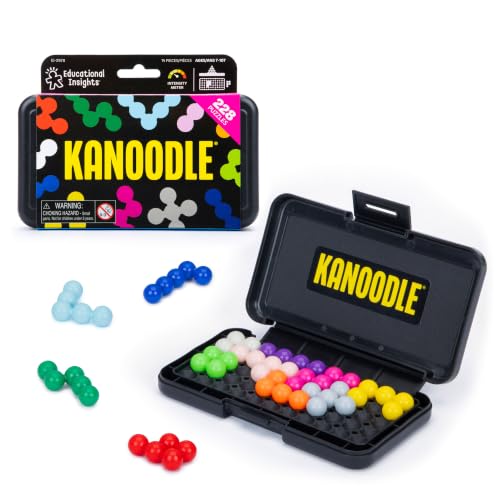
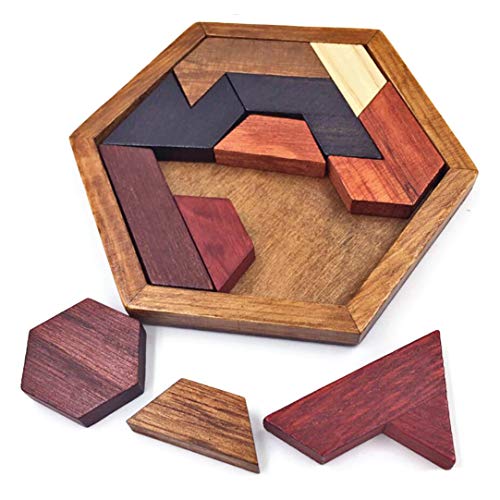
Logic puzzles, tangrams, metal disentanglement puzzles, and sequential-move challenges. These are top-tier for older kids and teens who enjoy mental gymnastics. They build deductive reasoning and patience, and many are designed as collectible desk pieces for adults too.
Custom & Themed Puzzles
Personalized photo puzzles or premium themed sets featuring detailed artwork and precision-cut pieces. These are a premium choice for gift-giving and for puzzle enthusiasts who value presentation, tactile quality, and display-worthy completed results.
Puzzle Toys by Age: Which Type Fits Which Stage?
Age recommendations on puzzle packaging are a reliable starting point, but developmental readiness matters more than a birthdate. The table below maps puzzle types to typical age ranges and the skills each stage targets. Use it as a planning tool rather than a strict rule.
| Age Stage | Recommended Puzzle Type | Typical Piece Count | Key Skills Developed |
|---|---|---|---|
| 12–24 months | Wooden peg puzzles, chunky shape sorters | 3–9 pieces | Grasp control, shape recognition, object naming |
| 2–3 years | Simple jigsaws, knob puzzles, floor puzzles | 9–24 pieces | Matching, hand-eye coordination, early patience |
| 3–5 years | Floor puzzles, 24–48 piece jigsaws | 24–60 pieces | Pattern recognition, focused attention, cooperation |
| 6–8 years | 100–300 piece jigsaws, beginner 3D puzzles | 100–300 pieces | Spatial reasoning, persistence, planning |
| 9–12 years | 500-piece jigsaws, 3D models, brain teasers | 300–750 pieces | Complex problem-solving, strategic thinking |
| Teens & Adults | 1000+ piece jigsaws, metal puzzles, custom sets | 750–2000+ pieces | Deep focus, stress relief, fine motor precision |
For very young puzzlers, pair first puzzle experiences with other early-learning play. Our guides to puzzles for one-year-olds and popular toys for 1–2 year olds cover safe, age-appropriate choices in detail. Families shopping for slightly older children often find useful cross-references in our puzzles for 4-year-olds roundup and the broader preschool toys 3–5 years collection.
The Developmental Benefits of Puzzle Play
Puzzle toys are frequently described as “brain food” in toy aisles, and the label is earned. The benefits below are the ones most consistently supported by child development research and most frequently cited by educators and pediatric therapists.
- Spatial reasoning and visual perception: Children mentally rotate and fit pieces, training the same spatial skills used later in math and engineering.
- Fine motor control: Pinching, placing, and adjusting small pieces strengthens the hand muscles needed for writing and drawing.
- Patience and persistence: Puzzles reward sustained effort. Completing a challenging puzzle teaches children that frustration is temporary and effort pays off.
- Problem-solving and logic: Every piece that does not fit is a data point. Children learn hypothesis-testing and deductive reasoning naturally.
- Memory and attention: Remembering which piece goes where builds working memory and stretches attention spans in a low-pressure setting.
- Emotional regulation: The calm, repetitive nature of puzzling is soothing for many children, making puzzle toys a useful tool for quiet-time routines.
- Social cooperation: Floor puzzles and large jigsaws are naturally collaborative, encouraging turn-taking and shared goals among siblings and classmates.
These benefits compound over time. A toddler who masters a wooden peg puzzle builds the confidence to attempt a 12-piece jigsaw, which in turn prepares them for multi-step logic challenges later. The progression is one of the strongest arguments for keeping puzzle toys in rotation through every childhood stage. For broader developmental toy recommendations, explore our educational toys section.
Materials and Build Quality: What to Look For
Puzzle toys range from essential-tier budget-friendly options to luxury-tier heirloom sets, and material choice is the biggest factor in durability and safety. Here is how the main materials compare, using neutral tier descriptors rather than specific figures.
| Material | Tier Position | Best For | Notes |
|---|---|---|---|
| Wood (plywood, birch, pine) | Mid-range to premium | Toddler peg puzzles, floor puzzles, heirloom gifts | Durable construction, pleasant tactile feel, often uses non-toxic water-based finishes. Solid build resists chipping. |
| Thick cardboard | Essential to mid-tier | Jigsaw puzzles for all ages, floor puzzles | Lightweight and widely available. Premium jigsaws use reinforced, high-grade cardboard that resists peeling. |
| Foam | Starter tier | Baby and toddler first puzzles, bath puzzles | Soft, safe, and easy to grip. Good value for its tier for the earliest puzzle experiences. |
| Plastic | Entry-level to mid-range | 3D puzzles, brain teasers, travel puzzles | Weather-resistant and easy to clean. Look for smooth edges and sturdy interlocking mechanisms. |
| Metal | Top-tier | Brain teaser puzzles, disentanglement puzzles | Professional-grade feel, ideal for teens and adults. Rust-proof finish is a mark of quality. |
For children under three, prioritize large pieces that exceed choking-hazard thresholds and finishes that are explicitly labeled non-toxic. For older puzzlers, piece thickness and cut precision matter most — a well-cut jigsaw with a satisfying snap is far more enjoyable than a thin, loosely cut alternative, regardless of the picture on the box.
How to Choose the Right Puzzle Toy
With thousands of options on the market, selection can feel overwhelming. Focus on four decision factors and the choice becomes straightforward.
1. Match the piece count to the child's experience
A child who has never completed a puzzle should start well below their age maximum. A confident 5-year-old may be ready for a 60-piece jigsaw, while a hesitant beginner of the same age will enjoy a 24-piece floor puzzle far more. Success builds motivation; frustration ends puzzle play quickly.
2. Consider the image and theme
Children persist longer with puzzles that feature subjects they love — animals, vehicles, space, or favorite characters. A themed puzzle that matches a child's interests will be returned to far more often than a generic landscape.
3. Evaluate piece size and thickness
Small hands need large pieces. For toddlers and preschoolers, thick pieces with a satisfying weight are easier to manipulate and less likely to bend. For older children and adults, standard-thickness pieces with precision cutting provide the best experience.
4. Decide between solo and cooperative play
If the goal is quiet independent play, a single-player jigsaw works well. If you want a family activity, a large floor puzzle or a 500-piece family jigsaw invites collaboration. Many households keep both types on hand.
Gift shoppers often pair puzzle toys with other classic play categories. For inspiration, browse our gift guides for 3-year-olds, 4-year-olds, 5-year-olds, and 10-year-olds, each of which includes puzzle recommendations among other age-appropriate picks.
Caring for Puzzle Toys: Simple Habits That Extend Life
Puzzle toys are durable when treated well, but a few simple habits prevent the most common problems — lost pieces, bent cardboard, and peeling surfaces.
- Store pieces in a sealed bag or box: Losing a single piece can end a jigsaw's usefulness. Keep the original box and use a zip bag for the pieces.
- Keep puzzles dry: Cardboard puzzles warp when exposed to moisture. Store them away from humid areas and wipe spills immediately.
- Inspect wooden puzzles for splinters: A light sanding with fine-grit paper restores smooth edges on wooden peg puzzles if wear appears.
- Rotate puzzles like other toys: A rotation system keeps puzzle play fresh and prevents pieces from being scattered and lost in daily play.
- Teach gentle handling: Show children how to lift pieces by the edges rather than bending them, especially with cardboard jigsaws.
For broader organization strategies that apply to puzzle collections alongside other toys, see our toy organization guides.
Frequently Asked Questions About Puzzle Toys
What age should a child start using puzzle toys?
Most children can begin with chunky wooden peg puzzles around 12 months, once they can sit steadily and grasp objects. At this stage, the goal is exploration rather than completion — fitting a piece into the correct slot is a win. By age two, many children can complete simple 3–6 piece puzzles with guidance.
Are wooden puzzles better than cardboard jigsaws?
Neither is universally better — they serve different purposes. Wooden puzzles are more durable and better for toddlers who still mouth or bang pieces. Cardboard jigsaws offer far more variety in piece count and image, making them the better choice for children aged four and up who are ready for larger challenges. Many families keep both types in rotation.
How many pieces should a beginner jigsaw have?
A good rule of thumb is to start with a piece count well below the child's age maximum. A 4-year-old beginner is often comfortable with 12–24 pieces; a 6-year-old beginner with 24–48. Success at a lower piece count builds the confidence to move up. If a child loses interest quickly, the piece count is likely too high.
Can puzzle toys help with school skills?
Yes. Puzzle play supports spatial reasoning, pattern recognition, and sustained attention — all skills that transfer to mathematics, reading comprehension, and science learning. Educators frequently use puzzles as a low-pressure way to build these foundational thinking skills in preschool and early elementary classrooms.
What should I do if a puzzle piece goes missing?
First, check the usual spots: under furniture, inside other toy bins, and inside the sofa cushions. For wooden puzzles, some manufacturers offer replacement pieces. For cardboard jigsaws, a missing piece is often irreplaceable — which is why storing pieces in a sealed bag between sessions is the best prevention. Consider keeping a “puzzle pieces” jar for orphans that turn up during cleaning.
Are 3D puzzles suitable for young children?
Most 3D puzzles are designed for ages 6 and up because they require following multi-step instructions and manipulating smaller connectors. For younger children interested in building, look for foam or large-piece 3D sets rated for ages 4–5, and plan to assist. For a broader look at construction-style play, see our building block sets category.
Ready to Find the Perfect Puzzle?
Browse our hand-picked selection of puzzle toys for every age and skill level below. Each recommendation is chosen for quality, safety, and genuine play value.
VIEW RECOMMENDED PUZZLES