Popular Gifts for 3 Year Olds: The Ultimate Guide to Delightful Presents
Three-year-olds are curious explorers, budding storytellers, and relentless investigators of their world. Choosing a gift that matches their developmental stage and personality is the key to sparking joy and learning. This guide breaks down the most popular gift categories, what makes a toy truly great for a three-year-old, and how to pick something that will be loved for months to come.
COMPARE GIFT CATEGORIESThe three-year-old mind is a marvel. At this age, children transition from parallel play to more cooperative play, develop a vivid imagination, and refine fine motor skills through hands-on activities. The ideal gift doesn't just entertain—it supports this developmental leap. It should be open-ended enough to grow with the child, durable enough to survive enthusiastic play, and safe enough to give parents peace of mind.
In this guide, you'll find detailed breakdowns of the most popular gift categories for three-year-olds, from pretend-play sets to early STEM toys. We'll explain what to look for, how to match gifts to a child's interests, and which features signal quality within each tier—entry-level, mid-range, or premium. Whether you're shopping for a birthday, a holiday, or just because, this guide will help you make a confident, well-informed choice.
What Makes a Great Gift for a 3-Year-Old?
Before diving into specific categories, it helps to understand the core criteria that make a gift stand out at this age. Use these four pillars as a quick filter when evaluating any option:
🧠 Developmental Fit
The gift should match or gently stretch a three-year-old's abilities. Look for toys that build fine motor skills, encourage language development, or introduce simple problem-solving—without causing frustration.
🎭 Open-Ended Play
Toys with multiple uses tend to have the longest lifespan. Blocks, play figures, and art supplies can become anything a child imagines, keeping engagement high as skills grow.
🛡️ Safety & Durability
Three-year-olds are still prone to mouthing objects and playing roughly. Choose non-toxic materials, rounded edges, and solid construction that can handle daily adventures.
🤝 Social & Emotional Value
Gifts that encourage sharing, turn-taking, or role-play help toddlers navigate their growing social world. Cooperative games and pretend-play sets are particularly strong in this area.
The Most Popular Gift Categories for 3-Year-Olds
1. Pretend Play Toys
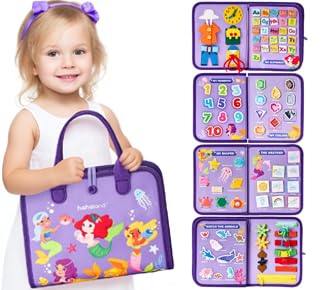
Pretend play is the language of childhood. At three, children love mimicking adults and inventing scenarios. Play kitchens, doctor kits, tool sets, and dress-up costumes are perennial favorites. The best pretend-play gifts include realistic details without being overly complex—simple knobs, chunky handles, and clear role cues work best. If you're looking for a broader selection, explore our pretend play toys for 3-4 year olds guide for more ideas.
2. Building Blocks & Construction Sets
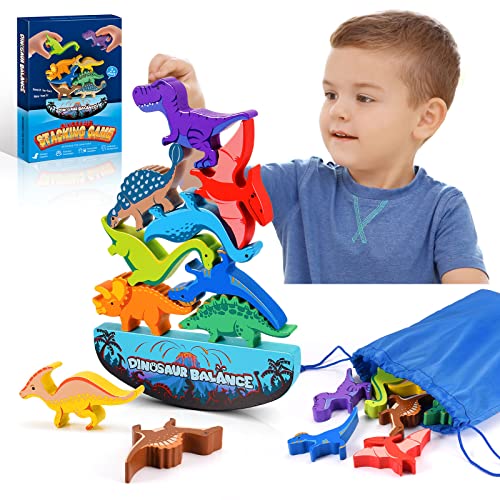
Construction toys are a cornerstone of early learning. For three-year-olds, look for large, easy-to-grip blocks that don't require precise alignment. Magnetic tiles, chunky wooden blocks, and beginner interlocking sets all support spatial reasoning and creativity. Our preschool toys 3-5 years collection includes many construction options designed for this exact stage.
3. Puzzles & Brain Teasers
Puzzles are a fantastic way to build focus and spatial awareness. For three-year-olds, choose puzzles with 9-24 large pieces, clear picture cues, and sturdy wooden or thick cardboard construction. Floor puzzles are especially popular because they invite movement and cooperative play. See our dedicated puzzle toys section for age-graded recommendations.
4. Art & Craft Supplies
Three-year-olds are natural artists. Chunky crayons, washable markers, finger paints, and simple stamp sets allow for mess-friendly creativity. Look for supplies labeled non-toxic and washable—this is non-negotiable at this age. A dedicated art kit with a storage case is often a favorite gift because it feels special and keeps everything organized.
5. Early STEM & Learning Toys
STEM toys for three-year-olds are about exploration, not equations. Simple sorting toys, counting bears, pattern blocks, and beginner coding robots introduce foundational concepts through play. The key is that the toy should feel like a game, not a lesson. For a wider range of options, browse our educational toys category.
6. Outdoor & Active Toys
Three-year-olds have boundless energy. Ride-on toys, push-and-pull toys, simple sports sets, and sandbox tools are all excellent choices for burning energy and building gross motor skills. Our push ride-on toys for 3-5 year olds page highlights many popular options in this category.
Gift Category Comparison at a Glance
Use this table to quickly compare the most popular gift categories based on developmental focus, play style, and typical tier positioning. Remember: higher tiers generally indicate more durable materials, more included accessories, or greater longevity—not necessarily a better fit for every child.
| Gift Category | Best For | Key Developmental Benefit | Typical Tier Range |
|---|---|---|---|
| Pretend Play Toys | Imaginative, social children | Language, empathy, role understanding | Starter to premium |
| Building Blocks & Construction | Problem-solvers and creators | Spatial reasoning, fine motor skills | Essential to high-end |
| Puzzles & Brain Teasers | Focused, detail-oriented children | Concentration, shape recognition | Entry-level to top-tier |
| Art & Craft Supplies | Expressive, hands-on children | Creativity, fine motor control | Starter to premium |
| Early STEM & Learning Toys | Curious, methodical children | Early math, logic, cause-and-effect | Essential to high-end |
| Outdoor & Active Toys | Energetic, physical children | Gross motor skills, coordination | Entry-level to top-tier |
How to Choose the Right Gift for a 3-Year-Old
With so many options, it helps to narrow the field using a simple decision framework. Start by observing the child: What do they gravitate toward during play? Do they prefer solo activities or group games? Are they more physical or more introspective? A gift that aligns with their natural inclinations will always outperform a generic "best-seller."
Next, consider the caregiver's perspective. Parents and guardians appreciate gifts that are easy to clean, store, and integrate into daily routines. Toys with small parts can be a frustration; toys with clear storage and simple instructions are a relief. If you're shopping for a child outside your immediate family, a gift that includes a gift receipt or is easily exchangeable is a thoughtful touch.
Finally, think about longevity. A gift that can be used in multiple ways—like a set of magnetic tiles that works for free play, guided building, and even early math—will remain relevant as the child grows. This is where moving from an entry-level option to a mid-range or premium tier can make a meaningful difference in long-term play value.
Frequently Asked Questions
What are the most popular gifts for 3-year-olds right now?
How do I know if a toy is safe for a 3-year-old?
Are educational toys really better than "just for fun" toys?
What should I do if I'm unsure about the child's interests?
How many toys is too many for a 3-year-old?
Final Thoughts: Giving the Gift of Play
Choosing a gift for a three-year-old is an opportunity to support a critical window of development—and to bring genuine joy. By focusing on developmental fit, open-ended play, safety, and social value, you can select a gift that will be loved, used, and remembered. Use the category breakdowns and comparison table above to narrow your options, and don't be afraid to prioritize quality over quantity. The best gift is one that meets the child where they are and invites them to take the next step in their play journey.
For more age-specific inspiration, explore our popular gifts for 3 year olds collection and related guides, including our popular gifts for two year olds and popular gifts for 4 year olds pages. Every child is different, and the right gift is the one that lights up their face—and keeps them engaged long after the wrapping paper is gone.