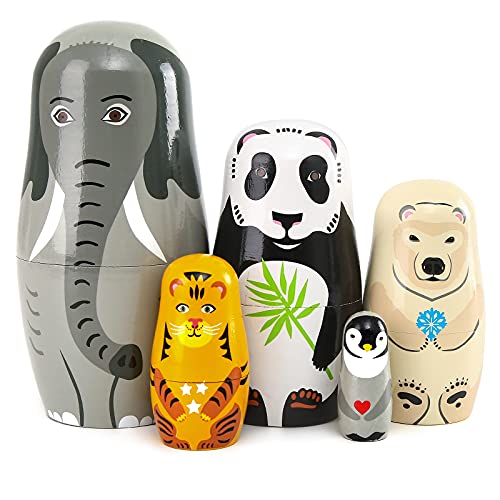
Nesting Dolls: A Guide to Matryoshka
Explore the rich tradition of Russian nesting dolls. From their fascinating history to modern craftsmanship, discover everything you need to know about these iconic wooden treasures.
Explore Buying GuideWhat Are Nesting Dolls?
Nesting dolls, also known as Matryoshka dolls or Russian dolls, are a set of wooden dolls of decreasing size that fit inside one another. Each doll is traditionally hand-painted and depicts a character, typically a woman wearing a traditional Russian sarafan dress. The outer doll is the largest, and inside it, you'll find smaller and smaller dolls, often ending with a tiny baby doll.
These captivating toys are more than just playthings—they are symbols of Russian folk art, family, and fertility. The name "Matryoshka" is derived from the common Russian female name "Matryona," which itself is rooted in the Latin word "mater," meaning mother. This name perfectly reflects the doll's representation of motherhood and the concept of a family.
Today, nesting dolls are cherished by collectors, children, and art enthusiasts worldwide. They are available in countless designs, from traditional folk characters to pop culture icons. Whether you're looking to buy your first set or add to an existing vintage toy collection, understanding the history and craftsmanship will help you choose the perfect set.
The History of Matryoshka Dolls
The story of nesting dolls began in the late 19th century in Russia. The first set was crafted in 1890 by a skilled woodturner named Vasily Zvyozdochkin and painted by the folk artist Sergey Malyutin. The inspiration is said to have come from a Japanese Kokeshi doll that was brought to Russia at the time.
Malyutin designed a set of eight dolls depicting peasants—a girl in a traditional sarafan, her siblings, and their mother. The set won a bronze medal at the 1900 World's Fair in Paris, catapulting the Matryoshka doll to international fame. From then on, the craft spread across Russia, with various regions developing their own unique styles.
During the Soviet era, nesting dolls became a popular symbol of Russian culture. They were exported worldwide and became a staple souvenir. Today, the art of making Matryoshka dolls is still alive, with artisans continuing to use traditional methods while also experimenting with modern themes, including anime figures and custom portraits.
How Are Nesting Dolls Made?
Creating a nesting doll is a meticulous process that requires skill, patience, and an eye for detail. Here's a step-by-step breakdown of how these wooden treasures are crafted:
1. Wood Selection & Preparation
Artisans typically use linden wood (basswood) because it's soft, lightweight, and easy to work with. The wood is harvested in early spring when the sap is rising, making it easier to carve. It is then seasoned for several years to prevent cracking and warping.
2. Turning on the Lathe
The wood is placed on a lathe and shaped into a hollow shell. Each doll is turned separately, starting with the largest. The craftsman must ensure that each doll fits perfectly into the next, with a tolerance of just a few millimeters. This process requires immense precision.
3. Sanding & Smoothing
Once turned, the dolls are sanded meticulously to achieve a smooth, splinter-free finish. This is crucial, especially for toys intended for children. The surface must be perfectly smooth to take the paint evenly.
4. Priming
The doll is coated with a primer, often made from potato starch or a similar base. This seals the wood and creates a smooth canvas for the paint.
5. Painting
This is where the doll comes to life. Artists use acrylic or tempera paints to hand-paint each doll. The designs range from traditional floral patterns and characters to more intricate scenes. The painting process can take anywhere from a few hours to several days, depending on the complexity.
6. Varnishing
Finally, the painted doll is coated with several layers of clear varnish. This protects the paint from chipping, gives the doll a beautiful glossy shine, and ensures it lasts for generations.
Many of these wooden nesting dolls are still made using these traditional methods, making each set a unique piece of art. For those interested in other traditional wooden toys, you might also enjoy exploring wooden building blocks.
How to Choose the Perfect Nesting Dolls
With so many options available, finding the right Matryoshka doll set can be overwhelming. Here's a comprehensive guide to help you make an informed decision:
1. Determine Your Purpose
Are you buying nesting dolls as a toy for a child, a decorative piece for your home, or a collectible item? Your purpose will influence the type of set you should choose.
- Toys for Children: Look for sets with rounded edges, non-toxic paint, and a more durable finish. Sets with 5 to 7 dolls are often ideal for toddlers, providing both entertainment and educational value.
- Home Decor: If you're buying for display, consider sets with intricate hand-painted designs, vibrant colors, and a larger size. Themed sets, like those depicting fairy tales or seasons, can add a unique touch to your decor.
- Collectibles: For serious collectors, look for limited edition sets, dolls signed by the artist, or vintage sets from the early 20th century. Pay attention to the condition, originality, and provenance of the item.
2. Number of Dolls
Nesting dolls come in sets of 3 to over 50 pieces. Traditional sets usually have 5, 7, 10, or 15 pieces. The number of dolls in a set affects the price and the complexity of the piece. A 5-piece set is a great starting point, while more intricate 20-piece sets offer a challenge and are impressive displays of craftsmanship.
3. Paint Quality & Design
Pay close attention to the painting. High-quality nesting dolls feature sharp, detailed lines, vibrant colors, and an overall professional finish. The paint should be smooth and free from streaks or smudges. Common designs include floral patterns (like the classic "Zhostovo" style), fairy tale scenes, and historical figures. Some modern artists also create custom dolls featuring pop culture icons, similar to how voodoo dolls are sometimes used for unique artistic expression.
4. Price & Value
The price of nesting dolls varies widely based on the number of pieces, craftsmanship, and age. Here's what you can expect:
| Number of Dolls | Quality Level | Estimated Price |
|---|---|---|
| 5-Piece Set | Standard, painted | $25–$40 |
| 7-Piece Set | Hand-painted, detailed | $45–$70 |
| 10-Piece Set | High-quality, intricate | $80–$150 |
| 15-Piece Set | Artisan, collectible | $180+ |
| Vintage/Antique | Condition and rarity determine price | $300+ |
For those on a budget, a standard 5-piece set offers excellent value and a beautiful introduction to the world of nesting dolls. Collectors should consider investing in artisan-made sets or vintage pieces, as they often appreciate in value over time.
5. Check for Authenticity
When buying from a store, look for certification or tags that indicate the dolls are made in Russia. Pay attention to the painting style—authentic Russian Matryoshka dolls often have a distinct style and quality stamp on the bottom of the largest doll. Be wary of mass-produced items that may not use traditional materials or techniques.
✅ Toy for Kids
Choose sets with non-toxic paints and smooth surfaces. Smaller sets (5-7 pieces) are easier for little hands.
✅ Decor Piece
Look for vibrant colors and intricate patterns. Themed sets (floral, fairy tales) work best for display.
✅ Collector's Item
Invest in limited edition or signed pieces. Check the condition and look for original packaging or certificates.
✅ Budget-Friendly
A 5-piece set with standard painting is a great start. Focus on quality of wood and finish over the number of pieces.
Benefits of Nesting Dolls for Children
Nesting dolls are more than just beautiful objects; they are excellent educational toys that offer a range of developmental benefits for children:
- Fine Motor Skills: The act of opening and closing the dolls and fitting them together helps improve hand-eye coordination and dexterity.
- Problem-Solving: Children learn to understand size relationships and spatial awareness as they figure out which doll fits inside which.
- Mathematics: Nesting dolls introduce concepts like "smaller/larger" and counting. Children can practice counting the dolls as they take them out of the set.
- Imaginative Play: With their character-like designs, nesting dolls encourage imaginative play and storytelling. Children can create stories around the dolls, which helps with language development.
- Cultural Education: Nesting dolls are a wonderful way to introduce children to Russian and Eastern European folk traditions. They can learn about the history and significance of these beautiful creations.
If you're interested in other toys that promote similar developmental benefits, be sure to check out our guides on sensory play toys and wooden stackers, which also encourage fine motor skills and problem-solving.
How to Care for Your Nesting Dolls
Proper care will ensure that your Matryoshka dolls remain beautiful for years to come. Here are some tips to maintain their condition:
- Dusting: Use a soft, dry cloth to gently dust the dolls. Avoid using water or any cleaning agents, as they can damage the paint.
- Handle with Care: When opening the dolls, twist gently rather than pulling. This prevents the wood from splintering. Ensure you handle each doll with dry hands to avoid transferring oils from your skin.
- Storage: Store the dolls in a cool, dry place away from direct sunlight, which can cause the colors to fade. If displaying, make sure they are not in a place where they can be easily knocked over.
- Children's Use: While nesting dolls are safe for kids, always supervise young children to prevent them from throwing or biting the dolls. The smallest doll is a choking hazard for infants, so these sets are recommended for children aged 3 and up.
With proper care, a set of nesting dolls can become a cherished heirloom, passed down through generations. Their timeless appeal and artistic beauty make them a valuable addition to any home.
Modern Variations of Nesting Dolls
While traditional Russian nesting dolls remain popular, contemporary artists and designers have created a wide range of modern variations. These include:
- Themed Sets: Today, you can find nesting dolls depicting everything from superheroes to beloved movie characters. These are great for collectors and fans of specific franchises.
- Custom Portraits: Many artisans offer custom nesting dolls that can be painted with family portraits, pets, or even corporate mascots. This makes for a unique gift or a personalized keepsake.
- Eco-Friendly Materials: With a growing focus on sustainability, some manufacturers are creating nesting dolls using recycled or sustainable wood sources.
- Artistic Collaborations: Contemporary artists often collaborate with traditional craftsmen to produce limited edition dolls that blend classic techniques with modern art styles.
These modern variations ensure that the tradition of nesting dolls continues to evolve, appealing to new generations of enthusiasts. Whether you prefer the classic designs or contemporary twists, there's a nesting doll set out there for everyone.
If you enjoy collecting unique dolls and figures, you might also be interested in our articles on porcelain dolls and Chinese dolls, which explore other fascinating types of collectible figures.