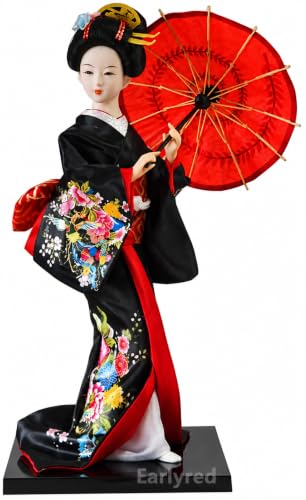
Porcelain Dolls: The Complete Collector's Guide
Explore the timeless world of porcelain dolls — from antique bisque beauties to modern collector editions. Learn how to identify, authenticate, care for, and build a meaningful collection that lasts for generations.
Expert Collector Resource • Updated GuideWhy Porcelain Dolls Endure: Porcelain dolls represent one of the most cherished categories in doll collecting. Their delicate hand-painted features, weighted bodies, and exquisite costumes have captivated collectors for over a century. Whether you're drawn to antique French bisque dolls, Victorian-era reproductions, or contemporary artist editions, this guide will walk you through everything you need to make confident, informed decisions as a collector.
What Exactly Are Porcelain Dolls?
Porcelain dolls are constructed using a ceramic material fired at high temperatures, resulting in a smooth, glass-like finish. The term "porcelain doll" is often used broadly to describe several distinct types — bisque, glazed porcelain, and china-head dolls — each with its own history and characteristics. Understanding these differences is the foundation of smart collecting.
Bisque Dolls
Bisque refers to unglazed porcelain with a matte finish, allowing for realistic skin tones. This is the most common material for antique doll heads and is prized for its ability to hold fine painted details.
- Matte, skin-like texture
- Allows for delicate facial painting
- Common in French and German antiques
Glazed Porcelain Dolls
Glazed porcelain features a shiny, glass-like coating. These dolls are typically more durable and are often found in modern reproductions and decorative collector pieces.
- Glossy, reflective surface
- More resistant to surface wear
- Popular in contemporary editions
China-Head Dolls
China-head dolls are glazed porcelain with painted black hair, dating back to the 19th century. They are a distinct antique category sought after by history-focused collectors.
- Glazed finish with painted hair
- Primarily 19th-century origin
- Cloth or kid-leather bodies
Modern Artist Editions
Contemporary porcelain dolls are often produced by artist studios and limited-edition manufacturers. These blend traditional craftsmanship with modern design and are excellent entry points for new collectors.
- Limited production runs
- Often signed or numbered
- Wide variety of styles
Understanding Porcelain Doll Tiers
When navigating the market, it helps to think in terms of quality tiers rather than absolute figures. These descriptors reflect relative craftsmanship, materials, and collectibility — and they remain stable over time.
| Tier | Best For | Typical Characteristics |
|---|---|---|
| Entry-Level | New collectors & display pieces | Modern reproductions, simpler costumes, machine-painted features, solid construction for everyday display. |
| Mid-Range | Growing collections & gift giving | Artist-designed editions, hand-painted detailing, higher-grade porcelain, articulated joints, limited runs. |
| Premium | Serious collectors | Fine bisque, intricate hand-stitched costumes, signed and numbered editions, superior facial painting, quality wigs. |
| High-End Tier | Investors & museum-quality displays | Antique bisque dolls, rare French or German makers, original costumes, documented provenance, exceptional preservation. |
| Flagship / Investment Tier | Seasoned collectors & estate acquisitions | Museum-grade antiques, rare artist prototypes, historically significant pieces with verified documentation and pristine condition. |
How to Evaluate a Porcelain Doll
Whether you're browsing at an estate sale, antique fair, or online marketplace, a systematic evaluation protects your investment. Focus on these key factors:
Head & Face
Examine the porcelain for cracks, chips, or hairline fractures. Check that the painting is intact and original — repainted faces significantly reduce collectibility. Look for the maker's mark on the back of the head or neck.
Body & Joints
Original bodies (cloth, kid leather, or composition) should match the head in age and style. Check joint integrity — loose or repaired joints affect both display quality and long-term durability.
Costume & Accessories
Original costumes add considerable appeal. Look for hand-stitched details, period-appropriate fabrics, and matching undergarments. Reproduction clothing is common and should be disclosed by sellers.
Marks & Provenance
Maker's marks are critical for authentication. Documented provenance — original boxes, certificates, or prior ownership records — strengthens a doll's standing and supports long-term investment value.
Caring for Your Porcelain Doll Collection
Proper care preserves both beauty and value. Porcelain is durable but vulnerable to environmental stress, and costumes require gentle handling.
- Control humidity: Keep dolls in a stable, dry environment. Excess moisture can damage costumes and cause metal armature components to corrode over time.
- Avoid direct sunlight: UV exposure fades painted features and deteriorates fabric. Display away from windows or use UV-filtering cases.
- Handle with clean hands: Oils and dirt transfer easily to bisque surfaces. Consider cotton gloves when repositioning or inspecting dolls.
- Use proper stands: A well-balanced doll stand prevents stress on joints and keeps the doll upright without strain on the body.
- Store costumes carefully: If removing clothing for storage, use acid-free tissue and avoid plastic bags that trap moisture.
- Dust gently: Use a soft, dry brush — never water or cleaning solutions on bisque faces, as these can damage the painted finish.
Building a Meaningful Collection
A strong collection has focus. Rather than acquiring randomly, consider a theme — a specific era, maker, style, or cultural tradition. Cohesive collections are more rewarding to display and often more resilient in value over time. Start with entry-level or mid-range pieces to learn the market, then graduate to premium or antique acquisitions as your expertise grows. Document every acquisition with photos, receipts, and any provenance details you can gather. This practice supports both insurance and future resale.
If your interests extend to other types of collectible dolls, explore our guide to reborn dolls for a modern, lifelike alternative. For those who appreciate the craft behind vintage toys more broadly, our article on popular toys from the 60s offers fascinating historical context. And if you're shopping for younger family members, you may enjoy our recommendations for popular gifts for 5-year-olds or our broader pretend play toys for 3-4 year olds.
Quick Buying Checklist
Before You Commit
- Verify the maker's mark against a trusted reference
- Inspect for cracks, chips, or restoration under good lighting
- Confirm whether the costume is original or replacement
- Ask about provenance and any available documentation
- Check that the body and head are a compatible pairing
- Review the doll's tier classification and how it fits your collection goals
- Request additional photos if purchasing remotely
Frequently Asked Questions
How can I tell if a porcelain doll is antique or a reproduction?
Examine the maker's mark, the quality of the facial painting, and the construction of the body. Antique bisque typically shows subtle irregularities from hand production, while reproductions often have uniform, machine-applied features. Consulting a specialized reference book or appraiser is the safest approach for significant acquisitions.
Are porcelain dolls suitable for children?
Most porcelain dolls are intended for adult collectors and display purposes due to their fragility. For children, consider durable cloth, vinyl, or rag dolls instead. Always check age recommendations on the packaging.
What is the difference between bisque and glazed porcelain?
Bisque is unglazed porcelain with a matte finish, ideal for realistic facial painting. Glazed porcelain has a shiny, protective coating that is more durable but less suited to fine detail work. Both are used in doll making, but they serve different aesthetic and practical purposes.
How should I display my porcelain dolls?
Use a dedicated display cabinet away from direct sunlight and humidity. Proper doll stands prevent strain on the body and joints. Rotate dolls periodically if your display space is limited, and keep handling to a minimum to protect costumes and painted surfaces.
Can porcelain dolls be restored?
Professional restoration is possible for chips and cracks, but it can affect value. Always disclose restoration when selling. For entry-level and mid-range pieces, restoration may be practical; for high-end and antique dolls, consult a specialist before proceeding.
Ready to Start Your Porcelain Doll Collection?
Browse our curated recommendations below to explore porcelain dolls across tiers — from entry-level display pieces to premium collector editions. Each selection is chosen with craftsmanship, authenticity, and long-term enjoyment in mind.
Explore Recommended Porcelain Dolls