Cause & Effect Toys: Unlock Cognitive Development
From rattles to activity cubes – discover how the best cause-and-effect toys help babies and toddlers understand the world, build problem-solving skills, and spark curiosity.
Explore Top Picks →🧠 Why Cause and Effect Matters: Every time a baby shakes a rattle and hears a sound, or a toddler pushes a button and sees a light, they are learning a fundamental principle: “I do this, and that happens.” This simple concept is the foundation of cognitive development, logical thinking, and early STEM skills. Choosing the right cause-and-effect toys can turn playtime into a powerful learning experience.
What Are Cause & Effect Toys?
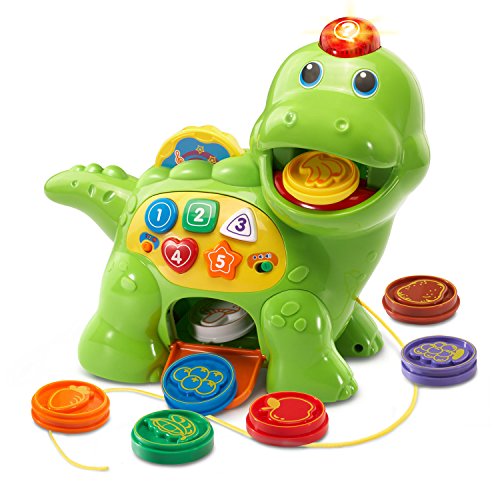
Cause-and-effect toys are interactive playthings that respond to a child's action with a predictable reaction. This could be a rattle for babies that makes noise when shaken, a soft building blocks set that tumbles when knocked, or an activity cube with buttons, levers, and gears. These toys help children grasp that their actions have direct consequences, fostering curiosity and a sense of agency.
From birth to toddlerhood, these toys evolve in complexity. For a baby mirror toy, the effect is visual; for a musical toy, it's auditory. As children grow, they enjoy toys with multiple steps, like pop-it toys or tangle toys, which offer tactile feedback and encourage experimentation.
Top Benefits for Cognitive Growth
🧩 Problem-Solving Skills
When a child figures out that pressing a certain button makes a character pop up, they are practicing cause-and-effect reasoning. This builds the foundation for logical thinking and troubleshooting later in life.
- Encourages trial-and-error learning
- Develops attention and focus
- Boosts memory and prediction
🤲 Fine & Gross Motor Skills
Many cause-and-effect toys require precise actions: pushing, pulling, twisting, or grasping. This naturally strengthens motor skills toys and hand-eye coordination.
- Improves dexterity and grip
- Encourages bilateral coordination
- Prepares for writing and self-care
🗣️ Language & Social Skills
Interactive play invites conversation. Parents can narrate actions: “You pressed the button, and the cow said ‘moo’!” This builds vocabulary and turn-taking skills, especially with talking dolls or finger puppets.
😌 Emotional Regulation
Understanding that actions have predictable outcomes gives children a sense of control, reducing frustration and anxiety. Anxiety relief toys and compression sensory toys can be particularly soothing.
Best Cause-and-Effect Toys by Age
Choosing the right toy depends on your child's developmental stage. Here's a quick guide:
- 0–6 Months: High-contrast baby mirror toys, soft rattles, and tummy time toys that react to touch or sound.
- 6–12 Months: activity cubes, push toys that move, and light-up toys with buttons.
- 12–24 Months: shape sorters, play food sets, and simple puzzle toys that require matching.
- 2–3 Years: building toys, memory games, and interactive toys with multiple actions.
- 3+ Years: science kits, board games, and doctor kits that involve cause-and-effect in role-play.
How to Choose the Perfect Cause-and-Effect Toy
When shopping, consider these factors:
🔍 Safety First
- Ensure no small parts for babies
- Look for toy safety guide certifications (ASTM, EN71)
- Choose non-toxic, BPA-free materials
🧩 Developmental Match
- Choose toys slightly above current ability to encourage growth
- Check for age-appropriate toys labels
- Observe your child's interests: lights, sounds, or textures
🔋 Durability & Value
- Opt for sturdy construction
- Consider toy maintenance guide for longevity
- Multi-functional toys offer better value
✨ Engagement Factor
- Toys with varying responses (lights, sounds, movement) keep interest
- Look for interactive toys that adapt to play
Top Cause-and-Effect Toys We Love
Here are some of the most engaging and developmentally rich cause-and-effect toys available today:
- Activity Cubes – packed with buttons, gears, and doors.
- Musical Tablets – press keys to hear notes and melodies.
- Pop-Up Pals – push, slide, or turn to make characters pop.
- Balls & Ramps – drop a ball and watch it roll down.
- Water Play Toys – scoop, pour, and splash for sensory feedback.
- Interactive Books – touch-and-feel or sound books.
For a broader selection, explore our toy guides and book guides for more inspiration.
Frequently Asked Questions
At what age should I introduce cause-and-effect toys?
From birth! Simple rattles and high-contrast mirrors are great for newborns. As they grow, increase complexity.
Are these toys only for babies?
No. Older children enjoy sophisticated cause-and-effect toys like science kits, coding toys, and complex puzzles.
Can cause-and-effect toys help with special needs?
Absolutely. Many sensory bins, weighted blankets, and chewelry and compression sensory toys provide calming, predictable feedback that supports children with autism or sensory processing challenges.
Ready to find the perfect cause-and-effect toy? Browse our curated selection below and give your child the gift of discovery!