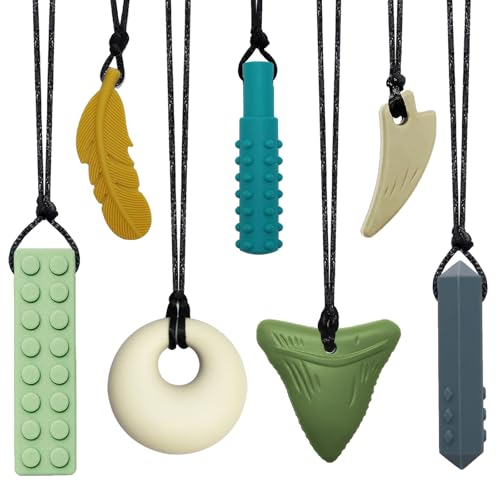
Chewelry: Sensory Jewelry for Calm & Focus
Discover how chewable necklaces and bracelets support sensory needs, reduce anxiety, and improve concentration for kids and adults.
Explore Top Chewelry Picks🧸 What is Chewelry? Chewelry (chew + jewelry) is a safe, wearable sensory tool designed for people who need oral stimulation. It provides a discreet alternative to chewing on clothing, pencils, or fingers, helping to self-regulate and focus.
Benefits of Chewelry for Sensory Seekers
🧘 Calming & Focus
Chewing provides proprioceptive input that can calm the nervous system and improve concentration during tasks.
🦷 Oral Motor Development
Strengthens jaw muscles and supports oral motor skills, beneficial for children with feeding or speech delays.
😌 Anxiety Relief
The repetitive chewing motion can act as a natural stress reliever, reducing anxiety and promoting relaxation.
🕶️ Discreet & Stylish
Designed as jewelry, chewelry looks like a fashion accessory, making it socially acceptable for all ages.
How to Choose the Right Chewelry
Selecting the right chewable jewelry depends on the user’s age, chewing strength, and sensory preferences. Here’s a quick guide:
| Chewer Type | Recommended Firmness | Best Styles |
|---|---|---|
| Light Chewer (toddlers, mild need) | Soft silicone | Pendants, beads, or teething necklaces |
| Moderate Chewer (kids, frequent chewers) | Medium-firm silicone | Thick pendants, textured bracelets |
| Aggressive Chewer (teens, adults, high sensory need) | Extra firm, durable | Solid silicone bars, x-shaped necklaces |
Always choose food-grade, BPA-free, phthalate-free silicone for safety. Look for breakaway clasps for necklaces to prevent choking hazards. For more sensory solutions, check our guides on compression sensory toys and weighted blankets.
Who Can Benefit from Chewelry?
Chewelry is widely used by individuals with Autism, ADHD, Sensory Processing Disorder (SPD), and anxiety. It’s also helpful for anyone who naturally chews on objects to self-soothe. For children, introducing chewelry can reduce destructive chewing habits and provide a safe outlet. Many parents and therapists recommend chewelry as a first-line sensory tool. Explore more anxiety relief toys and pop-it toys for additional sensory support.
Care & Maintenance
To keep chewelry hygienic and long-lasting, wash with mild soap and warm water after each use. Air dry completely. Inspect regularly for signs of wear – replace if silicone becomes torn or excessively worn. Store in a clean, dry place. For more toy care tips, visit our toy care guide.
Chewelry vs. Other Fidgets
Unlike tangle toys or pop-it toys, chewelry directly addresses oral sensory needs. It’s a wearable tool that’s always accessible, making it ideal for school, work, or travel. Many users combine chewelry with other fidgets for a complete sensory diet.
Final Thoughts
Chewelry is more than a trend – it’s a functional, therapeutic tool that empowers individuals to self-regulate. Whether you're a parent, educator, or adult seeking sensory support, investing in quality chewelry can make a significant difference. Browse our recommended products below to find the perfect match.
Related: sensory bins, water play toys, light-up toys, musical toys, interactive toys, gifts for 4-year-olds