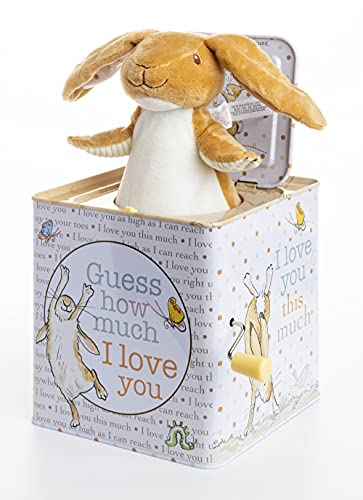
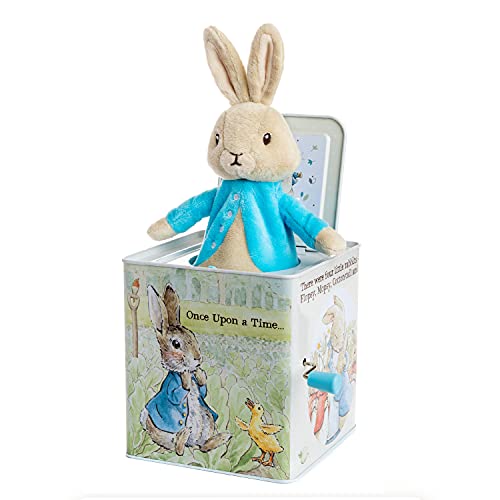
Toy Jack in the Box: The Timeless Pop-Up Surprise
Few toys spark as much giggling anticipation as the classic toy jack in the box. Turn the crank, hum along to the tune, and wait for that joyful pop! This guide explains why this nostalgic favorite remains a smart choice for early development — and how to pick the right one for your little one.
Explore Buying Guide🎁 Why the Jack in the Box Still Delights: A toy jack in the box combines music, motion, and surprise into one compact package. It teaches cause and effect, rewards patience, and delivers a burst of delight that children genuinely look forward to. For parents researching before buying, understanding the mechanism, safety features, and developmental benefits helps you choose a pop-up toy that fits your child's stage and personality.
What Is a Toy Jack in the Box?
A toy jack in the box is a simple yet brilliantly engaging mechanism: a handle on the side of a decorated box turns a crank inside, playing a short melody. When the music reaches its climax, the lid pops open and a friendly character — a clown, an animal, or a cheerful figure — springs upward. Children quickly learn to anticipate the surprise, which is exactly what makes the experience so rewarding. The jack in the box pop-up toy design has endured for generations because it works on multiple levels at once: it is musical, mechanical, and emotionally engaging.
How a Pop-Up Toy Supports Child Development
Parents often ask whether a simple pop-up toy offers real developmental value. The answer is yes — provided it is age-appropriate and used with supervision. Here are the core benefits:
Cause-and-Effect Learning
Turning the crank produces music, and the music leads to a surprise. This reinforces the idea that actions have predictable outcomes, a foundational cognitive skill.
Fine Motor Development
Gripping and turning a crank strengthens hand muscles and coordination, preparing little hands for later tasks like drawing and buttoning.
Auditory & Musical Awareness
The built-in melody introduces rhythm and pitch while encouraging listening and anticipation, supporting early language and musical development.
Emotional Regulation
The gentle suspense followed by a happy pop helps children practice waiting, manage mild anticipation, and experience delight in a safe context.
Visual Tracking
Watching the lid and the character pop upward trains visual focus and tracking, an important building block for reading readiness.
Language & Social Play
Caregivers naturally narrate the experience ("Here it comes! Pop!"), turning playtime into rich language exposure and shared joy.
If you are comparing this with other early learning options, our guide to infant toys for 0-6 months and learning toys for 3-5 year olds can help you build a well-rounded toy collection.
Choosing the Right Toy Jack in the Box
Pop-up toys vary in construction quality, mechanism smoothness, character design, and musical features. To make comparison easier without relying on numerical figures, we classify models into three universal tiers based on build quality and feature set:
| Tier | Best For | Key Characteristics |
|---|---|---|
| Essential tier | First-time buyers and casual gifting | Simple crank mechanism, basic melody, lightweight construction, straightforward character design. A solid choice for the tier. |
| Balanced tier | Everyday home use and developmental play | Smoother mechanism, reinforced lid hinge, cheerful tune, friendlier character detailing, and more durable construction for regular handling. |
| Top-tier | Long-term keepsake and premium gifting | Premium materials, refined crank action, high-grade musical movement, soft-touch lid edges, and collectible-quality character design. A worthwhile investment for families who value longevity. |
Whichever tier you choose, prioritize a mechanism that turns smoothly without jamming, a lid that opens gently rather than snapping, and a character that feels friendly rather than startling. If you are also shopping for a baby in the household, the essential tier approach works well as a starting point for foundational toys.
Safety Checklist Before You Buy
A jack in the box toy is generally safe when chosen and used thoughtfully. Run through this checklist:
- Check the age safety label and confirm it matches your child's stage.
- Inspect the lid edges for smoothness — no sharp corners or rough seams.
- Confirm the crank turns smoothly and does not require excessive force.
- Look for non-toxic, child-safe finishes and securely attached parts.
- Test that the pop-up action is gentle and predictable, not violent or startling.
- Ensure the character is securely fastened and has no small detachable pieces.
- Supervise play at all times, especially with babies and toddlers.
For a broader overview of toy safety standards, our guide to sensory toys for 6 month old babies covers material and design considerations that apply to pop-up toys as well.
Play Ideas That Extend the Fun
A toy jack in the box does not have to be a solo experience. Try these simple play routines to maximize engagement:
- Sing-along turn-taking: Take turns cranking the handle and singing the melody together.
- Anticipation games: Pause before the pop and ask "What do you think will happen?" to build prediction skills.
- Peekaboo pairing: Pair the pop-up moment with a gentle "peekaboo!" to reinforce social play.
- Language narration: Describe the colors, sounds, and actions to enrich vocabulary.
- Calm-down routine: Use the predictable melody as a gentle transition cue before nap time.
For more structured play inspiration, explore our sensory bin ideas for 2 year olds and age-appropriate toys for 18 months collections.
How It Compares to Other Classic Toys
Parents often weigh the jack in the box against other early favorites. Each classic toy serves a slightly different developmental purpose:
| Toy Type | Primary Benefit | Best For |
|---|---|---|
| Toy jack in the box | Cause-and-effect, anticipation, musical awareness | 6-18 months and up |
| Wheels on the Bus toy | Language, rhythm, interactive song play | Toddlers |
| Infant gym | Visual tracking, tummy time, reaching | 0-6 months |
| Stacking toys | Fine motor, size sequencing | 9 months and up |
Continue Exploring Related Toy Guides
Frequently Asked Questions
What age is a toy jack in the box suitable for?
Most models are recommended for children aged 6 to 18 months and older. Always check the manufacturer's age safety label, as smaller parts and mechanism designs vary between models.
How does a jack in the box toy help child development?
A pop-up toy supports cause-and-effect learning, hand-eye coordination, fine motor skills through crank turning, and auditory development when paired with music. The element of surprise also encourages emotional regulation and playful anticipation.
Are jack in the box toys safe for babies?
When chosen from reputable makers and used as directed, they are generally safe. Look for smooth edges, non-toxic finishes, securely attached parts, and a lid that opens gently. Supervise play at all times.
What should I look for when buying a pop-up toy?
Prioritize sturdy construction, a smooth and reliable crank mechanism, soft or rounded lid edges, a cheerful musical tune, and a friendly character that appeals to your child. Check age labeling and safety certifications.
Can a jack in the box be a good gift?
Yes — it is a classic, memorable gift that works well for first birthdays, baby showers, and holiday gifting. The combination of music and surprise makes it a joyful, developmentally meaningful present.
Find the Perfect Pop-Up Surprise
Browse our curated selection of toy jack in the box models below and choose the one that best fits your child's stage and your family's preferences.