Sensory Toys for 6 Month Old: The Complete Guide
Your 6-month-old baby is discovering the world through touch, sight, sound, and taste. This expert guide covers the best sensory toys to support this critical developmental stage, with safety tips, developmental benefits, and top-tier recommendations.
Explore Top PicksWhy sensory play matters at 6 months: At six months, babies are sitting up, reaching, grasping, and mouthing everything. Sensory toys are not just entertainment — they are tools for brain development. The right toys stimulate neural connections, refine motor skills, and introduce cause-and-effect learning. This guide helps you choose safe, engaging sensory toys that match your baby's developmental stage.
What Is Your 6-Month-Old Baby Learning?
Understanding your baby's developmental stage helps you choose toys that are both safe and stimulating. By six months, most babies demonstrate these key milestones:
👁️ Visual Tracking
Babies can now follow moving objects with their eyes and show preference for colorful, high-contrast patterns. Toys with bright colors and gentle movement capture their attention.
✋ Grasping & Reaching
Hand-eye coordination is developing rapidly. Babies reach for objects, transfer them between hands, and explore textures with their fingers — a critical fine motor milestone.
👂 Sound Localization
Babies turn their heads toward sounds and show delight in rattles, crinkles, and gentle music. Auditory stimulation supports language development foundations.
👄 Mouthing & Teething
Mouthing is a primary way babies explore. Safe teething toys with varied textures soothe gums while satisfying natural curiosity about the world.
🤲 Cause & Effect
Babies begin to understand that their actions produce results — shaking a rattle makes noise, pressing a button lights up a toy. This builds cognitive understanding.
🪑 Sitting & Balance
Many babies sit with support or independently. Floor-based sensory play supports balance, core strength, and independent exploration.
These milestones guide which toys are appropriate. For a broader look at developmental stages, see our guide to infant toys for 0-6 months and toys for 9-month-olds to prepare for the next stage.
Best Types of Sensory Toys for 6 Month Olds
We've categorized the top sensory toys by the primary sense they stimulate. Each recommendation includes a quality tier descriptor so you can match your selection to your preferred level of craftsmanship and durability.
-
Textured Sensory Balls Essential Tier
Soft, easy-to-grasp balls with nubby, bumpy, and smooth surfaces. These encourage tactile exploration, improve grip strength, and are perfect for rolling games that build visual tracking. Choose balls sized for small hands — typically 3 to 4 inches in diameter — with no small parts.
-
Crinkle Fabric Toys Essential Tier
Cloth squares, books, and animal shapes that crinkle when touched. The sound teaches cause-and-effect while the varied fabric textures — satin, corduroy, fleece — stimulate touch receptors. These are lightweight and easy for babies to hold during tummy time.
-
Teething Toys with Varied Surfaces Essential Tier
Food-grade silicone or BPA-free plastic teethers with ridges, bumps, and smooth sections. Look for designs that are easy for babies to hold independently and large enough to prevent choking. Freezer-safe options provide cooling relief for sore gums.
-
Soft Building Blocks Mid-Tier
Fabric or foam blocks with different textures, patterns, and sometimes embedded rattles or squeakers. These support stacking, knocking down, and early problem-solving. Mid-tier options often include more varied textures and sturdier construction for longer use.
-
Musical Rattles & Shakers Essential Tier
Lightweight rattles with easy-grip handles. The sound rewards shaking and teaches rhythm and cause-and-effect. Choose rattles with enclosed beads or sealed sound mechanisms — never toys with loose internal parts that could break open.
-
Sensory Mats & Play Gyms Mid-Tier to Premium
Floor mats with hanging toys, mirrors, and textured surfaces. These support tummy time, sitting play, and reaching. Mid-tier mats offer washable fabrics and adjustable arches; premium options include wooden frames and organic materials. A well-designed infant gym is a long-term investment in sensory development.
-
Board Books with Touch-and-Feel Elements Essential Tier
Sturdy board books with furry patches, bumpy textures, and flaps. These introduce early literacy while stimulating touch and visual tracking. Choose books with rounded corners and non-toxic inks.
-
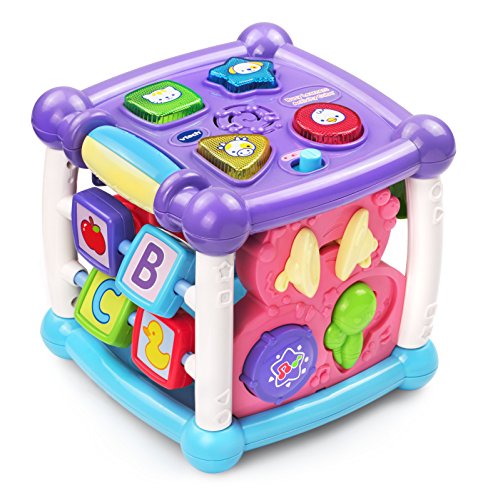
Light & Sound Toys Mid-Tier
Toys that light up or play gentle music when buttons are pressed. These reinforce cause-and-effect learning. Look for volume control and gentle, non-flashing lights. Mid-tier options often feature multiple modes and sturdier builds for extended use.
Sensory Toy Comparison: Which Type Suits Your Baby?
| Toy Type | Primary Sense | Best For | Quality Tier |
|---|---|---|---|
| Textured Balls | Touch, Sight | Grasping, rolling play | Essential Tier |
| Crinkle Fabric Toys | Touch, Hearing | Tummy time, cause-and-effect | Essential Tier |
| Teething Toys | Taste, Touch | Gum relief, mouthing exploration | Essential Tier |
| Soft Blocks | Touch, Sight | Stacking, texture exploration | Mid-Tier |
| Musical Rattles | Hearing, Touch | Sound localization, rhythm | Essential Tier |
| Sensory Mats & Gyms | Multiple | Full-body play, reaching | Mid-Tier to Premium |
| Touch-and-Feel Books | Touch, Sight | Early literacy, texture discovery | Essential Tier |
| Light & Sound Toys | Hearing, Sight | Cause-and-effect, attention | Mid-Tier |
Safety Guidelines for Sensory Toys
At six months, babies mouth everything and have limited control over their movements. Safety must be your top priority when selecting sensory toys.
✅ Age Label Check: Always choose toys labeled for ages 6 months and up. Toys marked for ages 3 and under are generally safe, but verify there are no small parts that could detach.
✅ Choking Hazard Prevention: Avoid toys with small removable parts, loose beads, or components that fit inside a toilet paper tube. Inspect toys regularly for wear and tear.
✅ Non-Toxic Materials: Look for BPA-free, phthalate-free, and lead-free labels. For fabric toys, choose machine-washable materials and check for non-toxic dyes.
✅ Supervision: Always supervise sensory play. Remove toys with batteries if the compartment is not securely screwed shut. Never leave a baby alone with a toy that has cords, strings, or long ribbons.
For a deeper dive into safety standards, read our complete toy safety guide and choking hazard prevention resources.
How to Choose the Right Sensory Toy
With so many options, narrowing down the right toy can feel overwhelming. Use this simple framework:
1. Match the Toy to Your Baby's Current Skills
Choose toys that are slightly challenging but not frustrating. A baby who is just learning to grasp will benefit from lightweight rattles and textured balls. A baby who sits independently may enjoy a sensory mat with hanging elements to reach for.
2. Prioritize Variety Over Quantity
You do not need dozens of toys. A curated set of 5-8 sensory toys that vary in texture, sound, color, and shape provides ample stimulation. Rotate toys every week to keep novelty high and prevent overstimulation.
3. Consider Your Lifestyle and Space
If you travel often, portable sensory toys like crinkle squares and small rattles are ideal. If you have a dedicated play area, a sensory mat or multi-purpose furniture toy can anchor the space. For small homes, our toy organization guide offers practical storage solutions.
4. Look for Quality and Durability
Babies are tough on toys — they chew, throw, and bang them. Choose toys with reinforced seams, solid construction, and high-grade materials. Entry-level toys are fine for short-term use, but mid-tier and premium options often last through multiple children.
Explore More Baby and Toddler Toy Guides
If you found this guide helpful, explore our related resources for every stage of your child's development:
-
Sensory Bin Ideas for 2-Year-Olds
Take sensory play to the next level with themed sensory bins that engage toddlers in imaginative, hands-on exploration.
-
Age-Appropriate Toys for 18 Months
As your baby grows into a toddler, discover which toys support walking, talking, and early problem-solving.
-
Toys for 1-Year-Old Boys
A curated guide to toys that engage newly mobile toddlers in active, creative, and educational play.
-
Bath Toys for Toddlers
Turn bath time into sensory learning time with water-safe toys that squirt, float, and stick to tiles.
-
Wheels on the Bus Toy
A classic musical toy that combines auditory stimulation with early language development through song.
-
Jack-in-the-Box Pop-Up Toy
A timeless cause-and-effect toy that surprises and delights babies while teaching anticipation.
-
Toy Steering Wheel for Car Seat
A portable sensory toy that keeps babies engaged during car rides with buttons, sounds, and lights.
Frequently Asked Questions
What are the best sensory toys for a 6 month old?
The best sensory toys include textured balls, crinkle fabric squares, teething toys with varied surfaces, soft blocks, musical rattles, and touch-and-feel board books. These stimulate multiple senses while being safe for mouthing and grasping.
How do sensory toys help a 6 month old's development?
Sensory toys support brain development by stimulating neural pathways through touch, sight, sound, and taste. They enhance fine motor skills, hand-eye coordination, cause-and-effect understanding, and provide the foundation for language and cognitive development.
Are sensory toys safe for a 6 month old?
Yes, when chosen correctly. Look for toys labeled for ages 6 months and up, free from small parts, made with non-toxic materials, and without long cords or sharp edges. Always supervise play and inspect toys regularly for damage.
How many sensory toys does a 6 month old need?
A 6 month old does not need many toys. A curated selection of 5-8 sensory toys rotated regularly is sufficient. Focus on variety in texture, sound, and visual stimulation rather than quantity.
Can I make DIY sensory toys for my 6 month old?
Yes, simple DIY sensory toys like fabric scraps in a sealed pouch, sensory bottles with water and glitter, or textured fabric squares are safe and engaging. Ensure all materials are non-toxic, securely sealed, and free from choking hazards.
Ready to Find the Perfect Sensory Toy?
Browse our hand-picked selection of top-rated sensory toys for 6-month-olds. Each recommendation is chosen for safety, developmental value, and quality craftsmanship.
View Recommended Sensory Toys