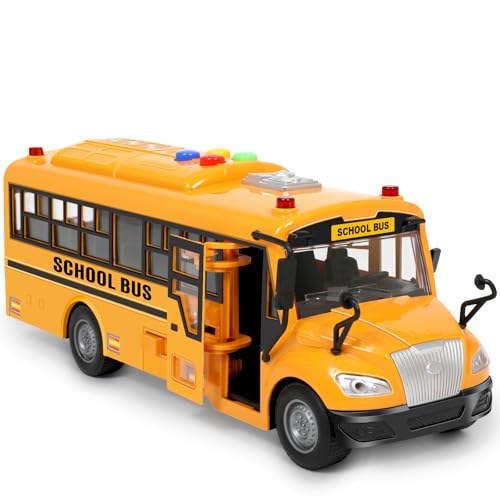
Wheels on the Bus Toy: The Complete Buying Guide
Everything you need to know about choosing the perfect interactive bus toy for your little one — from developmental benefits and safety features to top-tier recommendations for every stage of early childhood.
Explore Top Picks🚌 Why the Wheels on the Bus Toy Matters: The classic nursery rhyme "Wheels on the Bus" has delighted generations of children, and its toy counterpart brings that joy to life through interactive play. These toys combine music, movement, and imaginative role-play to create a multisensory experience that supports language development, motor skills, and early social learning. Whether you are shopping for a first birthday or a preschool gift, this guide will help you make a confident, informed choice.
What Is a Wheels on the Bus Toy?
A wheels on the bus toy is an interactive plaything modeled after the iconic bus from the beloved children's song. These toys typically feature buttons or sensors that trigger the song's verses, moving wipers, opening doors, spinning wheels, and sometimes even a driver figure or passenger characters. They are designed to engage toddlers and preschoolers through familiar music, cause-and-effect discovery, and hands-on exploration.
Unlike passive plush toys, these are active learning tools. When a child presses a button and hears "The wheels on the bus go round and round," they are building connections between actions and outcomes — a foundational cognitive skill. The repetitive nature of the song also reinforces memory and language patterns, making it a favorite among parents and educators alike. Many models are styled as toy steering wheel for back of car seat companions, keeping little ones entertained during travel.
Developmental Benefits: Why These Toys Work
🗣️ Language & Communication
Singing along with the bus song introduces new vocabulary, rhythm, and repetition — all key building blocks for early literacy. Children learn to anticipate lyrics and practice speech sounds.
🤲 Fine Motor Skills
Pressing buttons, turning wheels, and opening doors strengthen small hand muscles and hand-eye coordination. These actions prepare children for writing and self-care tasks later on.
🧠 Cognitive Development
Cause-and-effect learning is at the heart of these toys. A child quickly discovers that pressing a specific button produces a specific sound, building logical thinking and memory.
❤️ Social-Emotional Growth
Imaginative play with bus characters encourages empathy and storytelling. Children practice taking turns, sharing, and expressing emotions through role-play scenarios.
Key Features to Look For
Not all wheels on the bus toys are created equal. When evaluating options, focus on the features that align with your child's age, interests, and your family's play environment. Below are the most important considerations:
- Interactive buttons and sensors: Look for clearly labeled buttons that are easy for small fingers to press. Some premium models include touch-sensitive areas that respond to a child's hand.
- Sound quality and volume control: A volume limiter is essential for protecting young ears. Mid-range and high-end tier toys often include multiple volume settings and clearer speakers.
- Durable construction: Toddlers are not gentle. Choose toys with reinforced plastic, rounded edges, and securely attached moving parts. Entry-level models may use lighter materials, while premium tiers offer heavier-duty builds.
- Battery life and accessibility: Check whether the battery compartment is secured with a screw (a safety must) and whether the toy uses standard or rechargeable batteries.
- Moving parts: Spinning wheels, opening doors, and moving wipers add engagement and support motor skill development. Ensure these parts are smooth and pinch-free.
- Age-appropriate design: For children under 3, avoid small detachable parts. Toys designed for 1-year-old boys and girls should be chunky, smooth, and easy to grasp.
Comparing Tiers: Which Level Fits Your Needs?
To help you navigate the market, we have organized wheels on the bus toys into three universal quality tiers. This classification focuses on build quality, feature set, and long-term durability — not on any specific figures.
| Tier | Best For | Typical Features |
|---|---|---|
| Entry-Level | First introduction to musical toys; families seeking a simple, reliable option | Basic song playback, 2–3 buttons, lightweight plastic, standard battery compartment |
| Mid-Range | Daily play; children who love interactive features and parents who value durability | Multiple song verses, volume control, moving parts (wipers, doors), reinforced construction |
| Premium | Long-term use; gift-giving; families who want a feature-rich, heirloom-quality toy | Full song cycles, interactive sensors, realistic sounds, premium materials, bilingual options |
For a deeper dive into what each tier represents, see our guide to the essential tier of children's products. When comparing models, remember that a mid-range toy often offers smoother mechanisms and better sound clarity than an entry-level one, while premium options add extra layers of interactivity and longevity.
Safety First: What Parents Need to Know
Safety is non-negotiable when it comes to toys for young children. Here is a checklist to keep in mind:
- Age grading: Always follow the manufacturer's age recommendation. Toys marked for ages 3+ may contain small parts that pose choking hazards for younger siblings.
- Non-toxic materials: Look for toys that comply with safety standards such as ASTM F963 (US) or EN71 (EU). Avoid toys with strong chemical odors.
- Secure battery compartments: A screw-secured battery door is essential. Button batteries are extremely dangerous if swallowed — check that they are inaccessible.
- Volume limits: Choose toys with volume control or automatic volume limiting to protect sensitive young ears.
- Supervision: Even the safest toys require adult supervision, especially during active play. Regularly inspect toys for loose parts or damage.
For related safety guidance, explore our sensory toys for 6-month-olds resource, which covers safe exploration for the youngest players.
Choosing by Age: A Practical Guide
12–18 Months: Discovery and Cause-and-Effect
At this stage, children are fascinated by simple cause-and-effect. Choose a toy with one or two large buttons that are easy to press. Look for soft edges and a sturdy build. The song should play clearly, and the toy should be lightweight enough for your child to hold or push. Many parents pair this with an infant gym for variety in sensory play.
18–36 Months: Interactive Exploration
Toddlers are ready for more complex interactions. Look for toys with moving wipers, opening doors, and multiple song verses. Volume control becomes important as your child learns to press buttons independently. This is also a great age for toys that encourage imitation — your child may sing along or mimic the bus driver. Consider complementing with learning toys for 3-5 year olds to build a well-rounded play collection.
3–4 Years: Imaginative Play
Preschoolers enjoy storytelling and role-play. A premium wheels on the bus toy with passenger figures, sound effects, and open-ended design will fuel their imagination. At this age, children may act out scenes from the song or invent their own bus adventures. Pair with dress-up kits for 3-year-olds to extend the pretend-play experience.
Cleaning and Maintenance Tips
To keep your wheels on the bus toy in top condition, follow these simple steps:
- Wipe the exterior with a damp cloth and mild soap. Avoid harsh chemicals that may damage the plastic or electronics.
- Never submerge battery-operated toys in water. If the toy has fabric components, spot-clean them according to the care label.
- Remove batteries if the toy will not be used for an extended period to prevent corrosion.
- Store the toy in a dry place away from direct sunlight. Extreme heat can warp plastic and damage electronics.
- Regularly inspect for loose screws, cracked plastic, or exposed wires. Discontinue use if any damage is found.
For more ideas on keeping play spaces organized and toys in good shape, see our multi-purpose furniture toys guide.
Frequently Asked Questions
What age is a wheels on the bus toy suitable for?
Most wheels on the bus toys are designed for children aged 12 months to 4 years. Always check the manufacturer's age recommendation on the packaging, as small parts may pose choking hazards for children under 3.
What skills does a wheels on the bus toy help develop?
These toys support language development through song and repetition, fine motor skills via buttons and moving parts, sensory exploration with lights and sounds, and early social-emotional learning through interactive play.
Are wheels on the bus toys safe for babies?
Yes, when chosen correctly. Look for toys with rounded edges, non-toxic materials, securely attached parts, and volume control. Always supervise play and follow the age grading on the product.
How do I clean a wheels on the bus toy?
Wipe the surface with a damp cloth and mild soap, avoiding electronic components. Do not submerge battery-operated toys in water. Check the manufacturer's cleaning instructions for specific guidance.
Can a wheels on the bus toy be used for travel?
Yes, many models are compact enough for car rides and outings. Choose one with a volume control or headphone jack for quiet play. For travel-specific options, see our toy steering wheel for back of car seat guide.
Ready to Find the Perfect Wheels on the Bus Toy?
Explore our curated selection of highly rated interactive bus toys below. Each option has been evaluated for safety, durability, and developmental value — so you can shop with confidence and give your child the gift of musical, imaginative play.
View Top Recommendations