Infant Gym Guide: Nurturing Your Baby's First Discoveries
An infant gym is more than just a play mat — it is a developmental hub that supports tummy time, sensory exploration, visual tracking, and early motor skills. Learn how to choose the right one for your baby's stage and needs.
Explore Top Infant Gym Picks🧸 Why an Infant Gym Matters: During the first year, a baby's brain develops faster than at any other time. An infant gym provides a safe, stimulating environment where babies can practice head control, reaching, grasping, and rolling. The right gym grows with your child — from newborn visual stimulation to toddler-powered tummy time and seated play. This guide covers everything you need to make a confident, informed choice.
What Is an Infant Gym and How Does It Work?
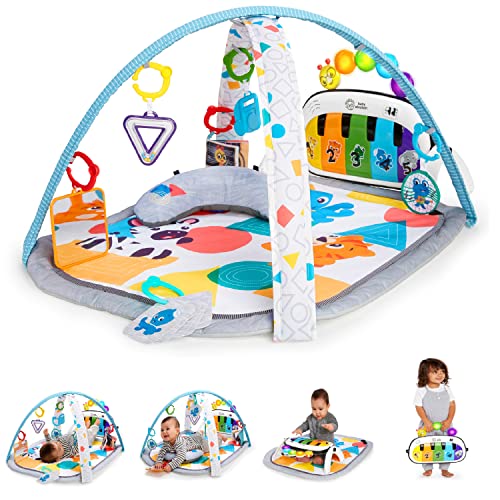
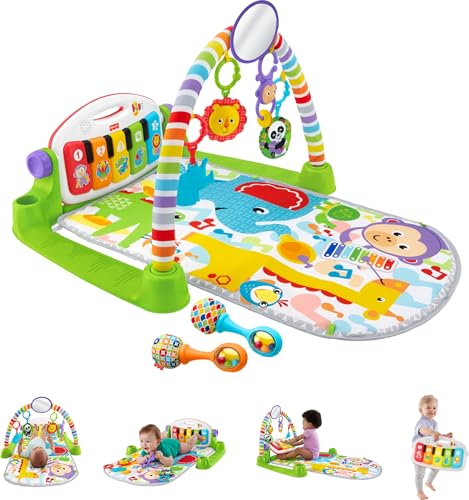
An infant gym — also called a baby play gym or activity gym — typically consists of a soft, padded mat and an overhead frame from which toys, mirrors, and sensory objects are suspended. Some models feature adjustable arches, removable toys, and convertible designs that transition into a toddler play mat. The concept is simple but powerful: by placing your baby on their back or tummy beneath the suspended elements, you encourage them to reach, kick, track moving objects, and build core strength.
Unlike stationary bouncers or swings, an infant gym promotes active, self-directed play. Your baby chooses what to look at, what to reach for, and how long to engage. This autonomy is crucial for developing concentration and problem-solving skills. Many pediatricians and child development specialists recommend an infant gym as a core piece of equipment for the first year.
Key Benefits of Using an Infant Gym
👁 Visual Tracking
Hanging toys and mirrors encourage babies to follow moving objects with their eyes, strengthening visual focus and depth perception — foundational skills for reading and hand-eye coordination later on.
💪 Gross Motor Development
Kicking, reaching, and rolling on the mat build core strength, neck control, and coordination. Tummy time on an infant gym is one of the most effective ways to prevent flat-head syndrome.
🧠 Sensory Stimulation
Textured fabrics, crinkle sounds, gentle rattles, and high-contrast patterns engage multiple senses simultaneously, supporting cognitive development and sensory integration.
✋ Fine Motor Skills
Grasping dangling toys, batting at objects, and reaching for mirrors refine hand-eye coordination and pincer grasp — critical milestones in the first year.
💕 Independent Play
A safe, enclosed play space gives babies the freedom to explore on their own terms, fostering confidence, curiosity, and self-regulation from an early age.
💤 Tummy Time Support
Many infant gyms include a tummy-time pillow or angled mat that makes prone play more comfortable and engaging, helping babies build the strength they need for crawling.
What to Look for in a Baby Play Gym
Not all infant gyms are created equal. The best choice depends on your baby's age, your living space, and your lifestyle. Use this checklist to evaluate your options:
- Safety-first construction: Look for a wide, stable base that resists tipping, smooth edges, and non-toxic, BPA-free materials. All toys should be securely attached with no small parts that could detach.
- Age-appropriate features: Newborns benefit from high-contrast visuals and gentle sounds. Older babies (4–6 months) need toys they can grasp and manipulate. Convertible gyms that grow into toddler play mats offer longer use.
- Easy cleaning: Babies spit up, drool, and make messes. A machine-washable mat and wipe-clean toys are practical must-haves.
- Portability: If you travel or move the gym between rooms, a lightweight, foldable design is a major convenience.
- Adjustability: Removable arches and adjustable toy heights let you customize the gym as your baby's skills evolve.
- Sensory variety: A mix of textures, sounds, mirrors, and high-contrast patterns keeps babies engaged and supports multi-sensory development.
Infant Gym Tiers: Finding the Right Fit
Infant gyms fall into distinct tiers based on features, materials, and longevity. Use this comparison to match a tier to your family's needs. Remember: a higher tier does not automatically mean better — the best gym is the one that suits your baby's stage and your daily routine.
| Tier | Best For | Typical Features | Considerations |
|---|---|---|---|
| Essential Tier | Newborns to 3 months; compact spaces | Simple padded mat, basic arch, 3–5 hanging toys, high-contrast visuals | Lightweight and easy to store, but may offer fewer sensory features and shorter lifespan |
| Mid-Tier | 3–9 months; everyday use | Thicker mat, adjustable arches, 6–10 toys, mirror, crinkle elements, tummy-time pillow | Balanced feature set with good durability; often machine-washable and moderately portable |
| Premium Tier | 0–12+ months; long-term use and developmental variety | Convertible design (gym to play mat), removable toy bars, wooden or premium fabric elements, storage bag, textured play surface | Higher investment but grows with your child; check for replacement parts availability |
Age-by-Age: How to Use an Infant Gym
0–3 Months: Place your baby on their back beneath the gym. Focus on high-contrast toys and gentle sounds. Allow short sessions (5–10 minutes) and watch for signs of overstimulation. This stage is about visual tracking and early head turning.
3–6 Months: Introduce tummy time on the mat with a supportive pillow. Your baby will start batting at toys and attempting to roll. Rotate toys to keep engagement high. This is when sensory toys for 6-month-olds become especially valuable.
6–9 Months: Babies can sit with support and may begin to push up onto hands and knees. Lower the arches or remove them so your baby can play seated. Toys that encourage grasping and transferring between hands are ideal.
9–12 Months: Many babies are crawling or pulling to stand. Convertible gyms that lie flat as play mats work well here. Add stacking cups, soft blocks, and take-apart toys to extend the gym's usefulness.
Safety Tips for Infant Gym Play
- Always supervise your baby during infant gym play — never leave them unattended.
- Place the gym on a firm, flat surface away from stairs, furniture edges, and heat sources.
- Check hanging toys regularly for loose threads, cracked plastic, or detached parts.
- Follow the manufacturer's age and weight recommendations.
- Keep the mat clean and dry; wash fabric components according to care instructions.
- Avoid placing the gym near blind cords, curtains, or other strangulation hazards.
Related Guides for Your Baby's Development
An infant gym is just one piece of the developmental puzzle. Explore these related guides to build a well-rounded play and learning environment:
- Infant Toys for 0–6 Months — Discover the best toys for your newborn's first half-year.
- Sensory Toys for 6-Month-Olds — Stimulate your baby's senses with age-appropriate picks.
- Toys for 9-Month-Olds — Support crawling, standing, and early problem-solving.
- Toys for 1-Year-Old Boys — First birthday gift ideas that encourage active play.
- Age-Appropriate Toys for 18 Months — Transition from baby gyms to toddler play.
- Wheels on the Bus Toy — A classic interactive toy for babies and toddlers.
Frequently Asked Questions About Infant Gyms
What is an infant gym and why is it beneficial for babies?
An infant gym is a play mat with a supportive frame that holds dangling toys, mirrors, and sensory elements above a baby. It encourages tummy time, visual tracking, reaching, and gross motor development in a safe, supervised setting. Pediatricians often recommend infant gyms as a core tool for first-year development.
At what age can a baby start using an infant gym?
Most infant gyms are suitable from birth. Newborns benefit from visual and auditory stimulation while lying on their back, and as they grow, the gym supports tummy time, reaching, and eventually sitting and standing play. Always follow the manufacturer's age recommendations and supervise closely.
What safety features should I look for in a baby play gym?
Look for a sturdy, wide base that will not tip, non-toxic and BPA-free materials, securely attached toys without small parts, smooth edges, and a machine-washable mat. Check for age-appropriate warnings and ensure all hanging elements are firmly fastened. Always supervise your baby during play.
How do I clean and maintain an infant gym?
Most play mats are machine-washable or wipe-clean. Detach hanging toys and wipe them with a baby-safe disinfectant. Check the frame regularly for loose screws or frayed fabric, and follow the manufacturer's care instructions. Avoid harsh chemicals that could irritate your baby's skin.
Can an infant gym help with tummy time?
Yes. Many infant gyms include a tummy-time pillow or angled mat that makes prone play more comfortable. The dangling toys give babies a reason to lift their heads and engage, which strengthens neck, shoulder, and core muscles — all essential for crawling and sitting.
Ready to Choose the Perfect Infant Gym?
Browse our curated selection of infant gyms below. Each pick is evaluated for safety, developmental value, and durability — so you can focus on what matters most: watching your baby discover the world.
View Recommended Infant Gyms