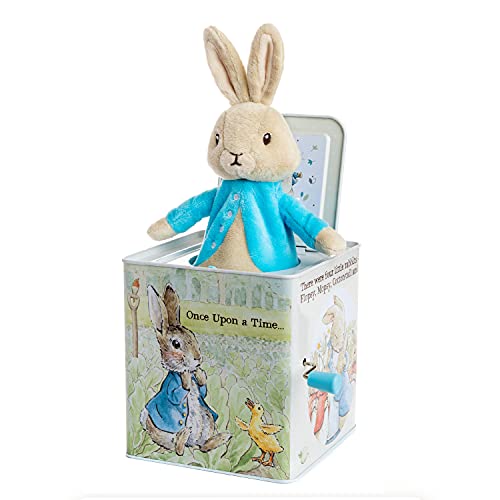
Jack in the Box Pop Up Toy: The Classic Surprise That Never Gets Old
Discover why this timeless cause-and-effect toy still delights babies and toddlers. Learn how it supports development, what to look for when choosing one, and how to play safely.
What Is a Jack in the Box Pop Up Toy?
A jack in the box pop up toy is a classic mechanical toy that combines music, anticipation, and a delightful surprise. Turn the crank, listen to the familiar tune, and wait for the lid to pop open — revealing a friendly character that springs up. It is one of the oldest and most enduring toys in the nursery, loved by generations of children and parents alike.
Unlike passive toys, a jack in the box requires a child to actively engage: gripping the handle, turning it, and waiting for the payoff. This simple loop builds cause-and-effect understanding, fine motor control, and emotional anticipation. For babies and toddlers, the pop-up moment is a safe thrill — a controlled surprise that helps them practice handling excitement and mild startle responses.
Modern versions have evolved to include softer characters, volume control, and quieter mechanisms, making them more parent-friendly than the loud, rigid designs of the past. Whether you are shopping for a first birthday or simply want a screen-free toy that delivers genuine joy, the toy jack in the box remains a standout choice.
How a Jack in the Box Supports Early Development
Parents often wonder whether a simple pop-up toy is worth the shelf space. The answer is a resounding yes — when chosen well, it supports several key developmental domains:
- Cognitive skills: The crank-to-pop sequence teaches prediction and causality. Your child learns that turning the handle leads to a specific outcome, a foundational concept for logical thinking.
- Fine motor skills: Gripping and turning a crank strengthens the same muscles used for writing and self-feeding. For younger babies, simply reaching for the popped-up character builds hand-eye coordination.
- Auditory development: The music or gentle chime introduces rhythm and melody, which support language acquisition and pattern recognition.
- Emotional regulation: The surprise element gives children a safe way to experience mild startle and recovery. With a caregiver nearby, they learn that surprises can be fun rather than scary.
- Language and social interaction: Adults naturally narrate the experience ("Ready? Here it comes!"). This back-and-forth builds vocabulary and turn-taking skills.
For parents building a well-rounded toy collection, a jack in the box pairs beautifully with other developmental favorites like learning toys for 3-5 year olds and sensory toys for 6 month old babies.
What to Look for When Choosing a Jack in the Box
Not all pop-up toys are created equal. A thoughtful choice makes the difference between a toy that delights for years and one that frustrates or worries you. Use the following criteria as your checklist:
1. Safety First
Check for smooth, burr-free edges and a secure latch that releases predictably. The popped-up character should be soft — plush or rounded plastic — so it cannot hurt little faces. Avoid vintage or collectible models unless you have verified they meet current safety standards; older toys may use lead-based paint or have small detachable parts. Always follow the age grading on the packaging, and supervise play.
2. Sound and Volume
Many modern jack in the box toys include volume control or a silent mode. If your child is sensitive to noise, a quieter model or one with a gentle chime is a smart choice. The classic loud "pop" can be startling for some babies, so adjustable sound is a genuine plus.
3. Crank Usability
The handle should turn easily for small hands but offer enough resistance that the mechanism does not unwind too quickly. A sturdy base prevents tipping during enthusiastic cranking. Test the crank yourself — if it feels stiff or jerky, your child may lose interest or get frustrated.
4. Character and Design
From traditional clowns to friendly animals and modern characters, the pop-up figure should be visually appealing and age-appropriate. Soft plush characters are gentler for very young babies, while slightly older toddlers may enjoy more detailed designs.
5. Durability
Look for reinforced hinges, a solid base, and high-grade materials. A well-built jack in the box can survive years of enthusiastic play and even be passed down to younger siblings.
Comparing Jack in the Box Options by Tier
Jack in the box toys span a range of build qualities and features. The table below uses universal tier descriptors to help you compare options without relying on numeric figures. Choose the tier that matches your priorities for durability, features, and longevity.
| Tier | Typical Features | Best For |
|---|---|---|
| Entry-level | Basic crank mechanism, simple tune, lightweight plastic body, plush or plastic character | First introduction to pop-up toys; casual use; families who want a straightforward, no-frills option |
| Mid-range | Smoother crank action, volume control, reinforced hinges, softer character, sturdier base | Daily play with babies and toddlers; families who value durability and adjustable sound |
| Premium | High-grade materials, precision mechanism, elegant design, silent or multi-tune options, heirloom-quality construction | Long-term investment; gift-giving; families who want a keepsake toy that can be passed down |
In general, mid-range models offer the best balance of smooth mechanism and durability for everyday use. Entry-level options are perfectly functional for occasional play, while premium models shine when you want a toy that feels special and lasts for years.
Creative Ways to Play with a Jack in the Box
A jack in the box is more than a solo toy — it is a springboard for connection and learning. Try these simple play ideas:
- Turn-taking: Take turns cranking and reacting to the pop. This teaches patience and social reciprocity.
- Naming emotions: When the character pops up, name the feeling: "Surprise! That was exciting!" This builds emotional vocabulary.
- Predict and count: Count the turns together or sing along with the tune. Predict when the pop will happen to build anticipation and sequencing skills.
- Comfort and recovery: If your baby startles, offer a cuddle and a smile. This reinforces that surprises are safe and fun.
- Pair with pretend play: After the pop, incorporate the character into other play scenarios — a tea party, a rescue mission, or a bedtime routine.
For more screen-free play inspiration, explore our sensory bin ideas for 2 year olds and dress-up kits for 3 year olds.
Safety and Care Tips
Like any toy, a jack in the box requires sensible care to stay safe and functional:
- Inspect the toy regularly for loose screws, cracked plastic, or fraying fabric.
- Wipe the surface with a damp cloth; avoid submerging mechanical parts in water.
- Store in a dry place to prevent rust or mold, especially in humid climates.
- Keep small detachable parts away from children under 3, and always follow the manufacturer's age recommendation.
- Supervise play, especially with babies who are still learning to sit or grasp.
If you are building a safe, developmentally appropriate play space, our guides to age-appropriate toys for 18 months and toys for 1 year old boys offer further recommendations.
Frequently Asked Questions
What age is a jack in the box toy suitable for?
Most jack in the box pop up toys are designed for children aged 6 months and older. However, always check the manufacturer's age recommendation, as some models with small parts may be suitable only for children 12 months and up. The surprise element is generally safe for babies who can sit up with support.
How does a jack in the box toy help child development?
A jack in the box toy supports cause-and-effect learning, fine motor skills through crank turning, and auditory development via music or sounds. The element of surprise also helps babies practice emotional regulation and anticipation, which are key building blocks for cognitive growth.
Is a jack in the box toy safe for babies?
Yes, when used as intended and with adult supervision. Choose models with rounded edges, non-toxic materials, and secure lids. Avoid vintage or collectible versions that may have lead paint or small detachable parts. Always follow the age grading on the packaging.
What should I look for when choosing a jack in the box toy?
Look for smooth, burr-free edges, a secure latch that releases predictably, volume control or a silent option, and a soft plush character that won't hurt little faces. A sturdy base and a crank that turns easily for small hands are also important features.
Recommended Jack in the Box Pop Up Toys
⚠️ AFFILIATE DISCLOSURE: This website contains affiliate links. As an Amazon Associate, we earn from qualifying purchases. If you make a purchase through these links, we may receive a small commission at no additional cost to you. Read our full affiliate policy.

Kids Preferred Sesame Street Jack in the Box - Elmo Plush Toy for Toddlers 1-3, Developmental Toy
Check price on Amazon
Schylling Jester Jack in the Box - Classic Children's Musical Toy - Colorful and Durable Tin Box with Silly Jester Plush - Age 18 months and Up
Check price on Amazon
Schylling Brand Baby Dino Jack in The Box - Classic Tin Musical Popping Toy - Ages 18 Months to 4 Years
Check price on Amazon
Kids Preferred Curious George Jack-in-The-Box - Musical Toy for Babies
Check price on Amazon
Kids Preferred Disney Baby The Nightmare Before Christmas Jack Skellington Classic Jack-in-The-Box Musical Toys for Babies and Toddlers
Check price on Amazon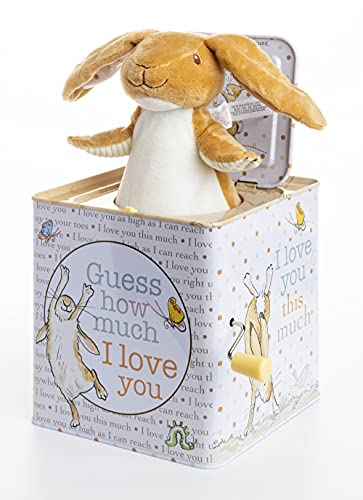
KIDS PREFERRED Guess How Much I Love You - Nutbrown Hare Jack-in-The-Box - Musical Toy for Babies
Check price on Amazon
KIDS PREFERRED Disney Baby Winnie The Pooh Jack-in-The-Box - Musical Toy for Babies Multi ,6.5"
Check price on Amazon