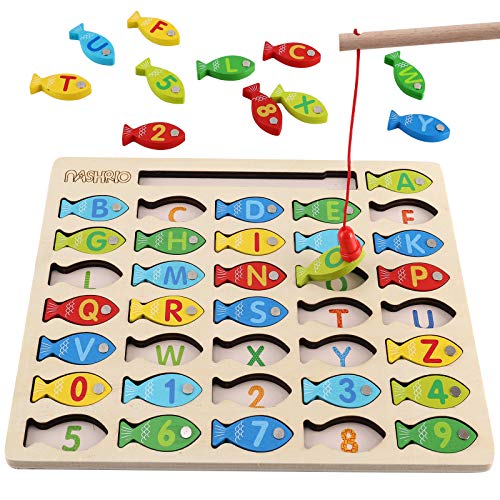
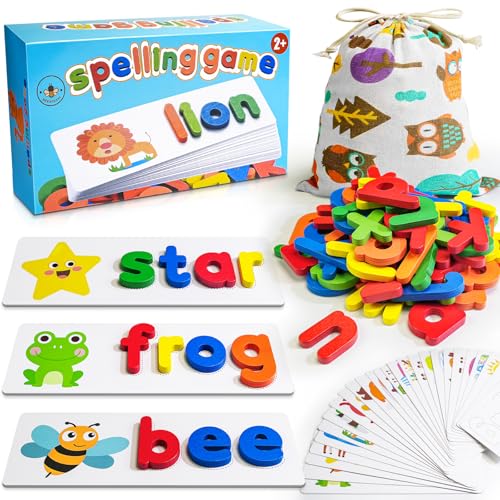
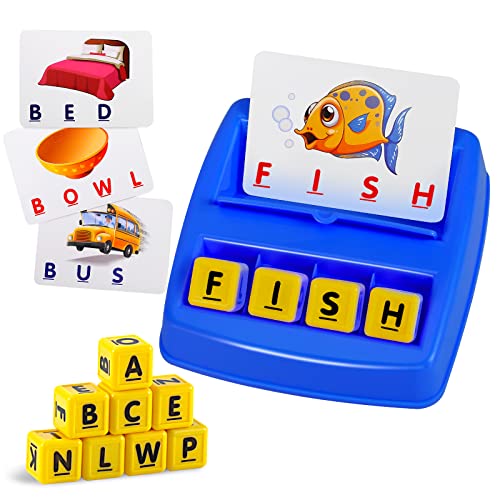
🎓 Best Educational Games for 3–5 Year Olds
Discover fun, screen-free learning toys that build early math, language, and problem-solving skills. Expert-tested games your preschooler will love.
See Top Picks →Between ages 3 and 5, children develop foundational cognitive, social, and motor skills at a remarkable pace. The right educational games turn everyday play into powerful learning moments. From STEM concepts to language and emotional intelligence, this guide covers the best tools to support your child's growth.
What Makes a Great Educational Game for Preschoolers?
🧩 Skill-Building Focus
Games should target specific developmental areas: fine motor, early math, phonics, logic, or social-emotional skills. Look for toys that grow with your child.
- Counting & number recognition
- Letter sounds & early reading
- Shape & pattern matching
- Problem-solving & sequencing
🧸 Age-Appropriate Design
For 3–5 year olds, games should be challenging yet frustration-free. Chunky pieces, bright colors, and simple rules keep engagement high.
- No small parts (choking hazard)
- Durable materials for rough play
- Clear, visual instructions
- Short play sessions (10–20 min)
🌟 Why Educational Games Matter at This Age
- Build pre-reading and early math confidence
- Develop fine motor coordination through puzzles and manipulatives
- Encourage social skills like turn-taking and cooperation
- Foster curiosity and a love for learning
- Reduce screen time with hands-on active play
Want more ideas? Explore our guides on learning games for older kids or fun learning toys for 2-year-olds.
Top Categories of Educational Games
Math & Counting
Number puzzles, abacus, counting bears
Language & Phonics
Alphabet games, word puzzles, story cards
Logic & Problem-Solving
Matching games, mazes, sequence cards
Creative & Motor
Play-doh, lacing cards, building blocks
How to Choose the Right Game for Your Child
The preschool years are a window of rapid brain development. When selecting educational games,
consider your child's current interests and skill level. A game that's too easy leads to boredom; one that's too hard causes frustration.
Pro tip: Look for "open-ended" games that allow multiple ways to play. This encourages creativity and extends the toy's lifespan.
For example, a set of building blocks can be used for counting, sorting,
and imaginative construction—all in one session.
Also, check for award-winning toys like those featured in our award-winning toys for 3-year-olds guide.
These often meet high standards for educational value and safety.
Frequently Asked Questions
What skills should educational games for 3-5 year olds develop?
Focus on fine motor (scissors, lacing), early literacy (letter recognition), numeracy (counting), social-emotional (turn-taking), and problem-solving. Games like puzzles, memory cards, and simple board games are excellent.
How much screen time is okay for preschoolers?
Experts recommend limiting screen time to 1 hour per day for ages 2-5. Educational games that are physical, hands-on, and screen-free are ideal for this age group.
Can educational games replace formal preschool?
No, they complement preschool. Games reinforce concepts learned in school and provide additional practice in a fun, low-pressure environment.
Where can I find affordable educational games?
Many quality games are under $25. Check our recommended list below for budget-friendly options. Also, consider second-hand stores or toy libraries.
Explore more: If your child enjoys these games, you might also like outdoor games for 6-year-olds or top outdoor toys for 4-year-olds. For a broader selection, visit our educational toys for 3-5 year olds page.