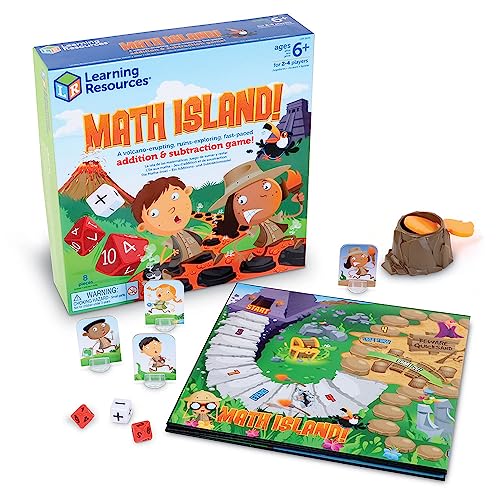
Educational Board Games for 6 Year Olds: Where Fun Meets Learning
Six is a magical age for board games. Your child can follow rules, take turns, and think strategically — all while building essential math, reading, and social skills. Discover expert-selected games that turn family game night into a powerful learning experience.
See Our Top Picks🎲 Why board games matter at age six: At six years old, children are transitioning from parallel play to cooperative and competitive play. Educational board games provide a structured, screen-free way to reinforce classroom learning at home. They build number sense, vocabulary, critical thinking, and emotional regulation — patience, turn-taking, and graceful winning or losing. The best games make learning feel like pure play.
Key Benefits of Educational Board Games for 6 Year Olds
Board games do more than entertain. They are active learning tools that support cognitive, social, and emotional development during a critical growth period. Here is what the right game can do for your child:
🧮 Math & Number Sense
Counting spaces, adding scores, and managing game resources reinforce foundational math concepts in a hands-on, low-pressure way. Children practice arithmetic without realizing they are learning.
📖 Reading & Vocabulary
Word games, matching games, and story-based board games expand vocabulary and strengthen phonics. Reading instructions and game cards builds fluency and comprehension.
🧠 Critical Thinking
Strategy games teach planning, cause-and-effect reasoning, and problem-solving. Children learn to think ahead, evaluate options, and adapt when plans change.
🤝 Social & Emotional Skills
Turn-taking, sharing, cooperating, and managing frustration are all practiced naturally during game play. These are foundational life skills that extend far beyond the game board.
What to Look for in a Board Game for a 6 Year Old
Not every board game is a good fit for a six-year-old. The ideal game strikes a balance between challenge and accessibility. Keep these criteria in mind when choosing:
- Simple, clear rules: A six-year-old should be able to understand the goal and basic rules after one explanation. Games with visual instructions or quick-start guides are a big plus.
- Short play sessions: Rounds that last 15 to 30 minutes are ideal. Longer games risk losing a child's attention and leading to frustration.
- Age-appropriate challenge: The game should offer a gentle stretch — not so easy that it becomes boring, and not so hard that it feels discouraging. Look for adjustable difficulty levels.
- Durable, tactile components: Six-year-olds still learn through touch. Chunky pieces, colorful boards, and sturdy cards make the game more engaging and stand up to enthusiastic play.
- Educational value without preachiness: The best educational games embed learning in fun mechanics. If a child feels like they are doing homework, they will lose interest.
- Replayability: Games with variable setups, multiple paths to victory, or cooperative challenges keep children coming back for more.
Skill-Building Board Game Categories
Different games target different skills. Here is a breakdown of the main categories to help you choose the right game for your child's needs and interests.
| Game Category | Skills Developed | Best For |
|---|---|---|
| Math & Counting Games | Arithmetic, number recognition, sequencing | Children who enjoy patterns and puzzles |
| Word & Reading Games | Phonics, vocabulary, spelling, comprehension | Early readers building confidence |
| Strategy & Logic Games | Planning, problem-solving, forward thinking | Children who like to think ahead |
| Cooperative Games | Teamwork, communication, shared decision-making | Siblings or friends who play together |
| Memory & Matching Games | Concentration, visual recall, attention to detail | Children who enjoy quick, lively rounds |
Understanding Game Tiers: A Simple Guide
To help you compare games without focusing on numerical figures, we use a universal tier framework. This describes a game's position in the market relative to its complexity and component quality — not a specific number.
- Starter tier: Simple rules, quick rounds, and durable components. Ideal for introducing board games to a child who is new to structured play.
- Essential tier: A balanced choice with solid educational value and engaging mechanics. These games offer good replayability for the category.
- Premium tier: Higher-quality components, deeper strategy, and richer educational content. Often designed as long-term investments for families who play regularly.
- Top-tier: Flagship games with exceptional production quality and sophisticated gameplay. These are the best-in-class options for children ready for a more immersive experience.
How to Choose the Right Game for Your Child
Every child is different. A game that captivates one six-year-old might frustrate another. Use the following framework to match the game to your child's personality and current skill level.
- Observe their interests: Does your child love numbers, stories, animals, or building? Choose a game that aligns with their natural curiosity. A child who loves dinosaurs will be more engaged with a dinosaur-themed math game than a generic counting game.
- Consider their reading level: If your child is still learning to read, look for games with minimal text and strong visual cues. Games with icons and color-coding reduce the reading burden and keep the focus on play.
- Think about play style: Some children thrive in competitive settings and love the thrill of winning. Others prefer cooperative games where everyone works together toward a common goal. Both styles have valuable lessons to teach.
- Start simple and build up: It is better to choose a game slightly below your child's maximum capability than one that is too complex. Success builds confidence, and confidence leads to a willingness to try more challenging games later.
- Involve your child: Let them look at the box, read the description, and share their excitement. When a child feels ownership over the game, they are more invested in playing and learning.
What Makes a Great Educational Game: Key Features
When you are evaluating a game, look for these specific design elements that separate a truly educational experience from a simple pastime.
- Integrated learning: The educational content should be woven into the game mechanics, not tacked on as an afterthought. For example, a game where collecting resources requires counting and exchanging teaches math naturally.
- Multiple skill targets: The best games teach more than one thing at once. A word-building game might also reinforce turn-taking and strategic thinking.
- Adjustable difficulty: Games that offer beginner and advanced rules allow the game to grow with your child, extending its useful life and keeping it challenging as skills develop.
- Engaging theme and art: A strong theme captures a child's imagination. Bright, appealing artwork and relatable themes make the learning feel like an adventure rather than a lesson.
- Family-friendly design: Games that are enjoyable for parents and siblings too are more likely to get played regularly. Look for games that are genuinely fun for the whole family, not just the child.
Explore More Toys and Games for Your Six-Year-Old
Board games are just one part of a well-rounded play collection. If you are looking for more ways to support your child's development, explore these related guides:
- Discover a wide range of educational toys for 6 year olds that complement board game play.
- For children who enjoy building and construction, check out educational building toys for 5 year olds to nurture spatial skills.
- If your child prefers digital play, explore educational iPad games for 6 year olds for screen-based learning.
- For more game-based learning, see our guide to educational games for 4-5 year olds to build foundational skills early.
- Looking for outdoor fun? Browse fun outdoor toys for 6 year olds to balance indoor and outdoor play.
- For creative and crafty kids, explore educational toys for 5-6 year olds with a focus on hands-on learning.
Frequently Asked Questions
What makes a board game educational for a 6 year old?
An educational board game for a 6 year old combines learning objectives with engaging play. It typically reinforces skills like counting, letter recognition, strategic thinking, or social cooperation. The best games keep rules simple, turns quick, and include colorful, tactile components that hold a child's attention while subtly teaching new concepts.
How do I choose the right educational board game for my 6 year old?
Start by identifying the skills you want to reinforce, such as math, reading, or problem-solving. Then consider your child's attention span and reading level. Look for games with clear instructions, short play sessions of 15 to 30 minutes, and cooperative or competitive modes. Age labels are a helpful starting point, but reading reviews and checking the game's complexity will ensure a good fit.
Are cooperative board games better for 6 year olds than competitive ones?
Both styles offer distinct benefits. Cooperative games teach teamwork, communication, and shared decision-making without the pressure of losing. Competitive games introduce turn-taking, resilience, and how to handle winning or losing gracefully. Many experts recommend a mix of both to support well-rounded social and emotional development.
How long should a board game session last for a 6 year old?
A typical board game session for a 6 year old should last between 15 and 30 minutes. Games that run longer may lead to frustration or loss of focus. Look for games designed with short rounds or adjustable play lengths so you can adapt to your child's energy and attention on any given day.
Ready to Find the Perfect Game?
Browse our hand-picked selection of educational board games for 6 year olds. Each game is chosen for its ability to blend fun and learning seamlessly.
View Recommended Games