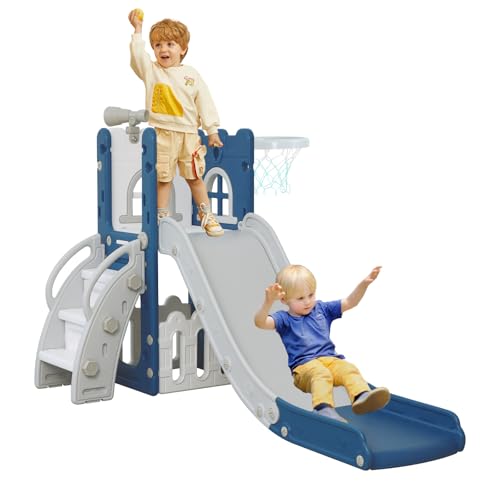
Indoor Climbing Toys for 2 Year Olds: Safe, Fun & Developmental
Your complete guide to choosing the perfect indoor climbing toy for your active toddler. Learn about safety, developmental benefits, and top recommendations.
Explore Top Picks🧗 Why Indoor Climbing Toys? At two years old, children are natural climbers. They are developing gross motor skills rapidly and crave physical challenges. Indoor climbing toys provide a safe, controlled environment for toddlers to explore their physical limits, build confidence, and burn energy—rain or shine.
The Developmental Benefits of Climbing for 2 Year Olds
Climbing is more than just play—it is a crucial part of toddler development. When a 2 year old climbs, they are building strength in their arms, legs, and core. They are learning to coordinate their movements, judge distances, and solve physical problems. Indoor climbing toys offer these benefits in a safe, supervised setting.
Gross motor skills are the large movements of the body, and climbing is one of the most effective ways to develop them. For more ideas on supporting this development, explore our guide to gross motor skills toys for 2 year olds. Additionally, climbing helps with balance and spatial awareness, which are foundational for later activities like sports and riding a bike.
Beyond the physical, climbing builds confidence. Each successful climb gives a toddler a sense of accomplishment. It also teaches them to assess risk and manage challenges—skills that will serve them well throughout childhood. For a broader range of options that support independent play, see our recommendations for independent play toys for 2 year olds.
Safety First: What to Look for in an Indoor Climbing Toy
Safety is the top priority when choosing a climbing toy for a 2 year old. At this age, children are still developing their coordination and may not fully understand risk. Here are the key safety features to look for:
- Low height: The climbing structure should be low to the ground, ideally no higher than 18-24 inches for a 2 year old.
- Soft or padded surfaces: Foam-covered or padded climbing toys are ideal for this age group, as they cushion falls.
- Stable base: The toy must have a wide, stable base that will not tip when the child climbs or pulls on it.
- Rounded edges: All edges should be rounded and smooth, with no sharp corners or protrusions.
- Non-toxic materials: Ensure the toy is made from non-toxic, child-safe materials and meets relevant safety standards (such as ASTM or CPSIA).
- Age-appropriate design: Look for toys specifically designed for the toddler age group, with small steps and gentle slopes.
Always supervise your child during play and place the climbing toy on a soft surface, such as a rug or play mat. For a safe and comfortable play area, consider a large padded play mat for hard floors. If you are exploring options for older children, you might also look at indoor climbing toys for 3 year olds.
Types of Indoor Climbing Toys for 2 Year Olds
There are several types of indoor climbing toys suitable for 2 year olds, each with its own advantages:
Foam Climbing Blocks and Sets
These are soft, modular foam shapes that can be rearranged into different configurations. They are ideal for young toddlers as they are very safe and versatile. They encourage creative play and can be used for climbing, crawling, and balancing.
Wooden Climbing Triangles (Pikler-style)
Inspired by the Pikler approach, these wooden structures feature a triangle with rungs that toddlers can climb. They are sturdy and durable, but require close supervision as they are not padded. They are excellent for developing coordination and confidence. For a wider range of play equipment, see our indoor play equipment for home guide.
Soft Play Climbers with Slides
These combine a small slide with climbing steps and are often made of foam covered in easy-to-clean vinyl. They provide a complete mini playground for toddlers and are very popular for home use.
Climbing Arches and Crawl Tunnels
Wooden climbing arches can be used for climbing, balancing, and as a bridge. Crawl tunnels encourage crawling and imaginative play. These are great for combining physical activity with fun.
How to Choose the Right Climbing Toy for Your Toddler
When selecting an indoor climbing toy for your 2 year old, consider the following factors:
- Space available: Measure your play area and choose a toy that fits comfortably with a safety buffer around it.
- Your child's temperament: Some toddlers are cautious and prefer gentle slopes; others are adventurous and may need more challenging structures.
- Durability and ease of cleaning: Look for materials that are easy to wipe clean and built to last.
- Versatility: Modular or multi-use toys offer better long-term play value.
- Storage: Consider how you will store the toy when not in use. Folding or stackable options are convenient.
For more inspiration on age-appropriate toys, browse our selection of high-end toys for 2 year olds and highest rated toys for 2 year olds.
Setting Up a Safe Indoor Climbing Space
Once you have chosen your climbing toy, set it up in a safe area. Place it on a soft, non-slip surface and away from furniture with sharp edges or hard floors. Ensure there is enough space for your child to climb and dismount safely. Always supervise play, especially with wooden or higher structures. For a comprehensive range of play equipment, you might also explore indoor playground equipment for sale.
If you have a dedicated playroom, consider adding other active toys to create a mini gym. For example, an indoor jumpy house can provide additional bouncing fun. And as your child grows, you can transition to toys designed for older toddlers, such as indoor climbing toys for 4 year olds.
Top Features to Look For
When comparing indoor climbing toys, keep these features in mind:
- Non-slip base: Ensures the toy stays in place during active play.
- Easy-to-clean surfaces: Vinyl or wipeable fabrics are practical for messy toddlers.
- Modular design: Allows you to change the configuration as your child grows.
- Weight limit: Check that the toy can safely support your child's weight (and possibly a sibling).
- Certifications: Look for safety certifications such as ASTM F963 or CPSIA compliance.
For a broader look at toys that support physical development, you might also enjoy our article on gross motor toys. And if you are looking for toys that develop hand skills, see our guide to hand-eye coordination toys for 3 year olds.
Frequently Asked Questions
What is the best age to introduce a climbing toy?
Most children are ready for a very low, soft climbing toy around 18 months to 2 years. Always choose a toy specifically designed for the toddler age range and supervise closely.
How do I clean an indoor climbing toy?
Most foam and vinyl toys can be wiped clean with a damp cloth and mild soap. Wooden toys can be wiped with a damp cloth and dried immediately. Always follow the manufacturer's cleaning instructions.
Can multiple children use the climbing toy together?
It depends on the size and weight limit of the toy. Always check the manufacturer's guidelines. For safety, it is best to have one child at a time on the climbing structure, especially for toddlers.