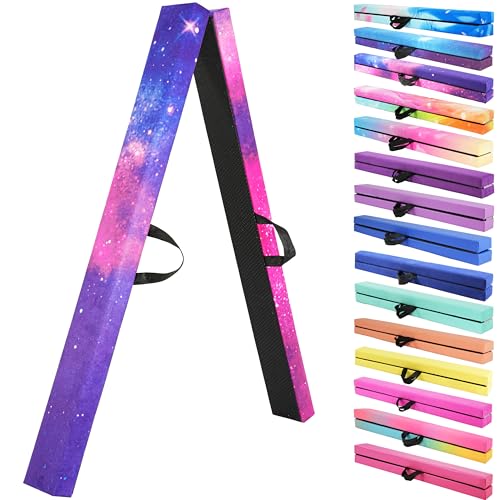
Balance Beams for Kids: Build Coordination & Confidence
Discover the best balance beams to enhance your child's gross motor skills, coordination, and sensory development. A complete guide to choosing the right beam for fun and growth.
Why Choose a Balance Beam?
A balance beam is a fantastic tool for developing core strength, coordination, and spatial awareness in children. Whether used for gymnastics practice, sensory play, or just fun, balance beams offer a unique combination of physical and cognitive benefits. They are ideal for toddlers, preschoolers, and school-age kids who are developing their gross motor toys for 6-year-olds and beyond.
🤸 Gross Motor Skills
Balance beams challenge children to engage their core, legs, and stabilizing muscles. Regular use improves posture, balance, and overall body control, making them excellent motor skills toys.
🧠 Cognitive & Spatial Awareness
Walking on a beam requires focus, planning, and spatial judgment. This helps children understand their body in space, enhancing proprioception and coordination. It's a great complement to cause and effect toys for holistic development.
💪 Confidence & Resilience
Mastering a balance beam builds confidence. Each step, turn, and balance pose teaches perseverance. It's a wonderful way to foster a growth mindset through physical play.
🧘 Sensory & Calming Benefits
The focused attention required for balance can be calming for many children. Balance beams can be part of a sensory bins or sensory play routine, offering proprioceptive input that helps with self-regulation.
Types of Balance Beams
Balance beams come in various styles to suit different ages, skill levels, and play spaces. Choosing the right type ensures safety and maximizes fun.
🧩 Floor Balance Beams
Low-profile beams that sit directly on the ground. Perfect for beginners and toddlers. They are safe, easy to use, and often come in colorful, textured designs.
📏 Adjustable & Elevated Beams
These beams have adjustable heights and can be raised as skills improve. Great for older kids who want a challenge. Look for beams with non-slip surfaces and sturdy bases.
🧸 Sensory & Textured Beams
Beams with different textures (bumps, ridges, or soft foam) provide extra sensory input. These are excellent for children who benefit from tactile stimulation during play.
🌳 Outdoor & Multi-Use Beams
Durable, weather-resistant beams designed for outdoor use. Some can be used as stepping stones or as part of an backyard obstacle courses setup.
How to Choose the Perfect Balance Beam
Selecting the right balance beam depends on your child's age, size, and intended use. Here are key factors to consider.
- Age & Skill Level: For toddlers, a low floor beam is safest. For older or more skilled children, an adjustable beam with greater height offers a fun challenge.
- Material & Durability: Wood, plastic, or foam? Wooden beams are sturdy and classic; plastic is lightweight and colorful; foam is soft and safe for very young children.
- Length & Width: Longer beams (6-10 feet) offer more room for practice. Width should be comfortable for your child's foot size – wider for beginners, narrower for advanced.
- Safety Features: Look for non-slip surfaces, rounded edges, and sturdy construction. For elevated beams, ensure the base is wide and stable.
- Storage & Portability: If space is limited, consider foldable or lightweight beams that can be stored easily.
🧑🏫 Expert Tip: Start with a low, wide beam and gradually progress to narrower, elevated beams as your child's confidence and skill grow. Always supervise play, especially with elevated beams.
Developmental Benefits at a Glance
A balance beam is more than a toy—it's a tool for growth. It supports play-based learning by encouraging physical activity, focus, and perseverance. For children who enjoy active play, balance beams can be paired with climbing frames or ride-on toys for 1-year-olds to create an exciting obstacle course.
If you're looking for more ways to develop gross motor skills, check out our guides on climbing walls for kids and swing sets.
Frequently Asked Questions
At what age can a child use a balance beam?
Most floor beams are suitable for children aged 18 months and up. Elevated beams are generally recommended for children aged 3 and above, with supervision.
Are balance beams safe for toddlers?
Yes, when used correctly. Choose a low, wide beam made of soft or foam material. Always supervise and ensure the beam is placed on a soft surface like carpet or a mat.
Can balance beams be used indoors?
Absolutely! Floor beams and many adjustable beams are designed for indoor use. They're great for rainy days or year-round practice.
What is a good length for a balance beam?
A beam of 6 to 8 feet is suitable for most home environments. For older kids who want more practice, 10-foot beams are ideal.
Ready to help your child build balance, coordination, and confidence? Explore our curated selection of top-rated balance beams below. Each product is chosen for its quality, safety, and play value.