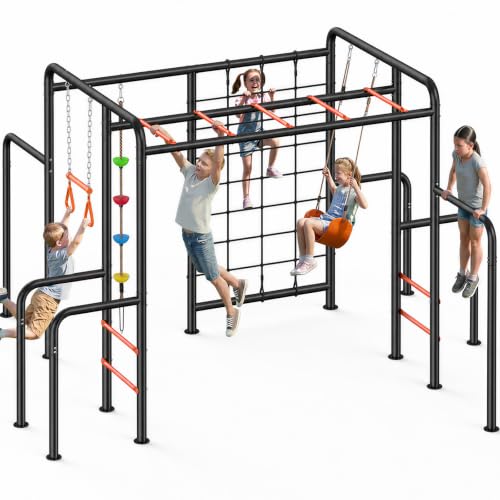
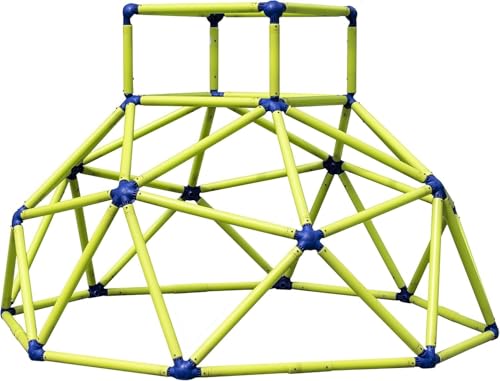
Climbing Frames for Kids – Active Outdoor Play
Encourage physical development, coordination, and endless adventure with our expert guide to climbing frames. Discover the best structures for your backyard.
Why climbing frames? They transform any garden into a hub of activity, helping kids build strength, balance, and confidence. Whether you have a toddler or a school-age child, the right climbing frame offers years of fun and healthy exercise.
Top Benefits of Climbing Frames
🏃 Physical Development
Climbing builds gross motor skills, hand-eye coordination, and core strength. It's a full-body workout that feels like play.
🧠 Confidence & Risk Assessment
Navigating climbing structures teaches children to assess risks, make decisions, and gain confidence in their own abilities.
👫 Social & Imaginative Play
Climbing frames become castles, pirate ships, or jungles. They encourage cooperative play and storytelling among friends and siblings.
🌳 Outdoor Connection
Getting kids outside reduces screen time and fosters a love for nature. A climbing frame is a gateway to active, outdoor living.
How to Choose the Right Climbing Frame
Age & Size
Consider your child's age and the space in your yard. For toddlers, look for low, sturdy frames with wide platforms. For older kids, taller structures with slides, ropes, and climbing walls offer more challenge. Check our guide on toys for 4-year-olds to see what suits their developmental stage.
Material & Durability
Wooden climbing frames blend naturally with gardens and are sturdy, but require maintenance. Metal frames are durable and weather-resistant. Always check weight limits and safety certifications. For a complete play area, consider complementing with swing sets or backyard obstacle courses.
Safety First
Ensure the frame is placed on soft surfacing like rubber mats, wood chips, or grass. Check for sharp edges, pinch points, and stable anchoring. Read our playground safety surfacing guide for more tips. For younger children, a toddler soft play area nearby can be a safe alternative.
Extra Features
Slides, climbing ropes, monkey bars, and covered tops add variety. Some frames include built-in sandpits or playhouses. Explore our all-in-one play systems for comprehensive setups. If you're tight on space, a climbing wall for kids might be a great alternative.
Popular Climbing Frame Types
- Wooden Climbing Frames: Classic, sturdy, and blend with nature. Often modular, allowing you to add slides, swings, or a sandpit.
- Metal Climbing Frames: Modern, low-maintenance, and weather-resistant. Great for contemporary gardens.
- Plastic / Resin Frames: Lightweight, colorful, and easy to assemble. Ideal for younger children and smaller spaces.
- Combination Sets: Include slides, swings, climbing walls, and more. Perfect for maximizing play value.
For kids who love adventure, consider adding outdoor play toys for 8-year-olds or a water play toy nearby to keep them engaged all summer.
Maintenance Tips for Longevity
- Inspect bolts, screws, and joints regularly for rust or looseness.
- Treat wooden frames annually with weather-proof sealant.
- Clean plastic and metal parts with mild soap and water.
- Check the surfacing underneath – replenish wood chips or rubber mulch as needed.
For more advice on keeping toys in top shape, visit our toy maintenance guide.
Ready to find the perfect climbing frame for your backyard?
Browse our top-rated climbing frames below, read reviews, and choose the one that fits your space and budget. Every purchase supports our independent reviews.
If you're also looking for indoor play options, check our soft play equipment or interactive play panels. For gifts, see gifts for 4-year-olds and gifts for seven-year-olds.