
Soft Play Equipment: The Ultimate Guide for Indoor Playgrounds
From foam climbing structures to sensory play mats — discover everything you need to know about soft play equipment. Safe, durable, and designed to support your child's physical and cognitive development.
Explore Top Soft Play Sets →Soft play equipment has become a cornerstone of modern indoor playgrounds, daycare centers, and even home playrooms. Unlike traditional hard-surface play structures, soft play is built from foam, vinyl, and other impact-absorbing materials that reduce the risk of injury while encouraging active, imaginative play. Whether you're a parent looking to create a safe play zone at home or a business owner planning a commercial play area, understanding the types, benefits, and safety standards is essential. This guide covers everything from foam climbing blocks to interactive play panels, helping you make an informed choice.
Why Choose Soft Play Equipment? Key Benefits
🛡️ Safety First
Soft play structures are designed with impact-absorbing foam and durable vinyl covers, significantly reducing the risk of bumps, bruises, and fractures during active play.
🧠 Sensory & Motor Development
Climbing, crawling, and balancing on soft equipment helps develop gross motor skills, coordination, and spatial awareness. Many sets include textured surfaces and bright colors that stimulate sensory exploration.
🏠 Versatile & Space-Saving
Modern soft play sets are modular and can be configured to fit any space — from compact home corners to large commercial play areas. Many are lightweight and easy to rearrange.
👶 Age-Appropriate Design
Soft play is ideal for toddlers and young children (ages 6 months to 6 years). With low platforms, gentle slopes, and rounded edges, it's perfectly suited for little explorers.
Types of Soft Play Equipment
- Climbing Frames & Foam Blocks: Stackable foam shapes (ramps, steps, cubes) that encourage climbing, crawling, and building. Perfect for developing gross motor skills. Check out our climbing frames guide for more ideas.
- Play Mats & Activity Tiles: Interlocking foam mats with colorful patterns, numbers, or letters. Great for tummy time, sensory play, and creating a safe landing zone. Explore sensory play ideas to complement these mats.
- Soft Play Sets (Themed): Complete play systems that mimic playgrounds, castles, or jungles — often including slides, tunnels, and ball pits. These are popular for both home and commercial use.
- Interactive Play Panels: Wall-mounted panels with activities like mazes, gears, and puzzles that promote cognitive development and fine motor skills. See our interactive play panels page for options.
- Balance Beams & Stepping Stones: Soft, textured beams and stones that help children practice balance and coordination in a safe environment.
Safety Standards & Quality: What to Look For
When purchasing soft play equipment, always check for certifications such as ASTM (American Society for Testing and Materials) or EN71 (European Standard for toy safety). Look for materials that are non-toxic, lead-free, and phthalate-free. The foam should be high-density to maintain shape and support weight, while the vinyl covering should be easy to clean and resistant to tears. Additionally, ensure that all edges are rounded and that there are no small parts that could become choking hazards. For home setups, consider toy maintenance tips to keep your equipment in top condition.
How Much Does Soft Play Equipment Cost?
The price of soft play equipment varies widely based on size, complexity, and brand. Here’s a general breakdown:
- 🏠 Basic Home Sets (foam blocks, small mats): $80–$250
- 🧩 Medium Modular Systems (climbing structures, tunnels): $300–$800
- 🏰 Large Themed Play Sets (slides, ball pits, multi-activity): $900–$2,500+
- 🏢 Commercial-Grade Equipment (heavy-duty, high-capacity): $3,000–$10,000+
* Prices are indicative and may vary based on brand, materials, and retailer. Always check for current deals and discounts.
Who Benefits from Soft Play Equipment?
Toddlers (1-3 yrs)
Crawling, balancing, and early walking
Preschoolers (3-5 yrs)
Climbing, sliding, imaginative play
Daycares & Schools
Safe indoor play for groups
Commercial Play Centers
High-durability, high-traffic use
Ready to Create the Ultimate Soft Play Area?
Browse our curated selection of top-rated soft play equipment for every age and space. Click below to explore the best options on the market.
Shop Soft Play Equipment →Explore more: Toddler soft play • Climbing frames • Playground safety surfacing • Sensory bins • Motor skills toys
Top-Rated Soft Play Equipment for Kids
⚠️ AFFILIATE DISCLOSURE: This website contains affiliate links. As an Amazon Associate, we earn from qualifying purchases. If you make a purchase through these links, we may receive a small commission at no additional cost to you. Read our full affiliate policy.

Tiny Land Soft Foam Climbing Blocks for Toddlers, 6-Piece Foam Blocks

Fun Climbing Toy Set for Toddlers 1-3 - Crawl Tunnel, Foam Climbing Blocks

JUOIFIP 6PC Toddler Climbing Toys Indoor, Foam Climbing Blocks for Toddlers

JungleDove 7Pcs Climbing Toys for Toddlers: with a Square Ball Pit for Toddlers - PU Leather Foam Climbing Blocks - Indoor Soft Play Set with Slide and Stair(NO Balls)

Hoohtoot Foam Climbing Blocks for Toddler: with 4-Piece PU Leather Climbing Toys and a Ball Pit - Foam Ball Pit for Toddlers - Climbing Toys Indoor for Kids Crawling (Purple Climbing Blocks)

TODIBY 6-Piece Soft PU Leather Toddlers Climbing Toys, Baby Foam Climbing Blocks for Toddlers, Foam Play Gym Climber Structures for Toddler 3, Indoor Climb and Crawl Activity Play Set
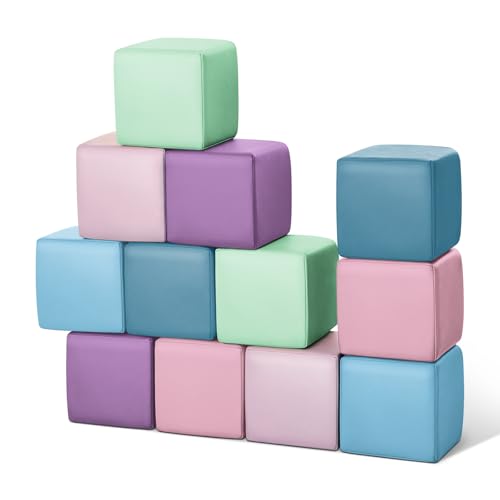
TODIBY Foam Building Blocks for Toddlers:12-Pieces Wipeable Leather Stacking Cubes Kids - Large Soft Toys Play Set for Learning Construction Baby Preschool Daycare Therapy Birthday Gift (Purple Pink)
