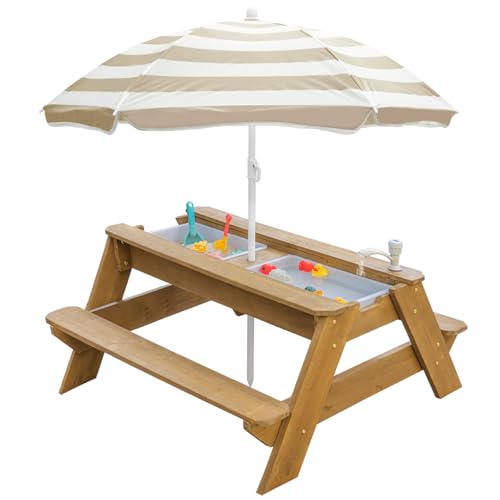
Ultimate Sand and Water Table Guide
Discover the best sensory play tables for toddlers and kids. Learn about developmental benefits, key features, and how to choose the perfect table for endless fun and learning.
Why Choose a Sand and Water Table?
A sand and water table is more than just a toy—it's a powerful tool for sensory exploration and early childhood development. These versatile play stations offer a world of tactile experiences, encouraging children to scoop, pour, build, and create. Whether you're a parent, grandparent, or educator, investing in a quality sensory table provides hours of engaging, screen-free play that supports cognitive, physical, and social growth.
🧠 Cognitive Development
Playing with sand and water introduces basic concepts of volume, measurement, and cause-and-effect. Children experiment with cause and effect toys principles as they pour water or sift sand, building early scientific thinking skills.
🖐️ Fine & Gross Motor Skills
Scooping, digging, and pouring strengthen hand-eye coordination and dexterity. These activities are excellent gross motor toys for 6-year-olds and younger children, promoting physical development in a fun, natural way.
💬 Social & Language Skills
When children play together at a sand and water table, they communicate, share, and collaborate. This cooperative play is a fantastic foundation for cooperative play activities and builds essential social-emotional skills.
🧘 Calming & Sensory Regulation
The tactile experience of sand and water is naturally calming. For children with sensory processing needs, a sand and water table can be a wonderful sensory bins alternative that provides soothing, focused play.
Types of Sand and Water Tables
Sand and water tables come in various styles to suit different ages, spaces, and play preferences. Understanding the options helps you make the best choice for your child and home.
🏠 2-in-1 Combo Tables
These versatile tables feature two separate basins—one for sand, one for water. They often include lids, accessories like shovels and scoops, and are available in both indoor and outdoor designs. Ideal for maximizing play value and variety.
🌳 Outdoor Water Tables
Designed for backyard or patio use, these tables are durable and weather-resistant. Many feature water wheels, ramps, or sprinkler attachments for added fun during warm months. Look for water play toys that encourage splashing and exploration.
🧸 Indoor Sensory Tables
Smaller and often on casters, indoor tables are perfect for year-round play. They may include a lid to store materials and are made from easy-to-clean materials. These are great for playroom organization and quiet time activities.
🌱 Eco-Friendly & Wooden Tables
For eco-conscious families, wooden sand and water tables offer a sustainable and aesthetically pleasing option. They are sturdy, often handmade, and provide a natural sensory experience.
Safety & Maintenance Tips
Ensuring a safe and hygienic play environment is key to maximizing the benefits of your sand and water table.
🧼 Clean Regularly: Drain water daily and rinse both basins. Sand should be dried and sifted occasionally to remove debris. For detailed guidance, visit our toy maintenance guide.
☀️ Use Fresh Water & Sand: Replace sand every few months and use fresh, clean water for each play session to prevent bacterial growth.
🛡️ Supervise Play: Always supervise young children around water, even shallow basins. Ensure the table is stable and placed on a flat surface.
🧴 Safe Accessories: Choose accessories that are age-appropriate, BPA-free, and have no small parts that could pose a choking hazard.
How to Choose the Perfect Sand and Water Table
With so many options, here are key factors to consider when selecting a sand and water table for your child.
- Age Suitability: Consider the recommended age range. Tables for toddlers are typically lower and have simpler accessories, while tables for older kids may include more complex features like water pumps or sand wheels.
- Size & Space: Measure your available space. Outdoor tables are often larger, while indoor tables come in compact sizes. Ensure there's room for children to play comfortably around the table.
- Material & Durability: Look for high-quality, non-toxic materials. Plastic tables are lightweight and easy to clean; wooden tables are sturdy and offer a classic look. For outdoor use, UV-resistant plastic is a smart choice.
- Accessories Included: Many tables come with a starter set of shovels, rakes, cups, and molds. A table with built-in storage for accessories helps keep everything organized.
- Ease of Cleaning & Storage: A table with a drain plug makes emptying water easy. Lids are a must for outdoor tables to keep sand dry and clean when not in use.
- Price & Value: Sand and water tables range from budget-friendly to premium models. Consider the features that matter most to you and your child's play style.
If you're looking for more outdoor play toys for 8-year-olds or toddler soft play options, explore our comprehensive guides for more inspiration.
Developmental Benefits at a Glance
A sand and water table is a cornerstone of play-based learning. It encourages children to explore, experiment, and discover. From building fine motor skills through scooping and pouring to fostering social interaction during group play, this classic toy offers endless developmental advantages.
Incorporating a sand and water table into your child's routine can also complement other developmental toys like soft building blocks and activity cubes, creating a well-rounded play experience.
Frequently Asked Questions
At what age can a child use a sand and water table?
Most tables are designed for children aged 18 months and up. Always check the manufacturer's age recommendations and supervise young children closely.
Can I use kinetic sand in a water table?
Yes, but it's best to use a separate basin or clean the table thoroughly between sand types to prevent mixing. Some tables are designed for multiple materials.
How do I prevent mold in a water table?
Always empty and dry the basin after each use. A mixture of water and white vinegar can be used to clean and disinfect the surface regularly.
What are the best alternatives to sand?
You can use rice, dried beans, or water beads as sensory fillers. Each offers a unique tactile experience and can be a great way to vary play.
Ready to bring the joy of sensory play home? Explore our carefully selected recommended sand and water tables below. Each product is chosen for its quality, safety, and play value to ensure your child gets the most out of their playtime.