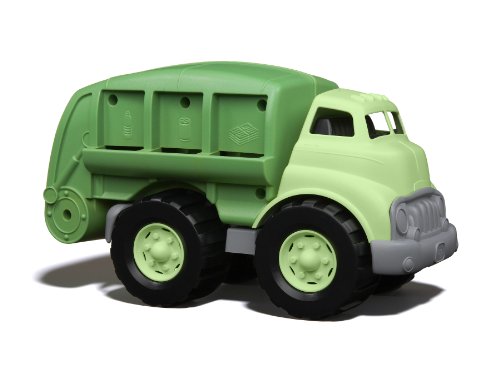
Garbage Truck Toy Guide: The Complete Buying Companion
From chunky toddler-friendly haulers to detailed die-cast replicas, discover how to choose a garbage truck toy that survives real play, sparks imagination, and teaches kids about the vehicles that keep communities running.
Why garbage trucks capture a child's imagination: They are big, loud, mechanical, and they do a visible job that kids can watch from the window every week. That combination of size, sound, and purpose makes the garbage truck one of the most requested vehicle toys for toddlers and preschoolers alike.
This guide breaks down the categories, mechanisms, safety considerations, and age fit so you can make a confident choice — whether you are shopping for a first birthday, a preschooler who loves community helpers, or an older child ready for a more detailed model.
Understanding the Main Types of Garbage Truck Toys
Not all garbage truck toys are built the same, and the differences matter once play gets enthusiastic. The three broad categories below cover nearly every option on the market, and each one serves a different stage of childhood.
Chunky Toddler Haulers
These are designed for ages 18 months to 3 years, with rounded edges, oversized wheels, and few or no small detachable parts. They typically feature a simple push-and-go design or a basic friction motor. If you are shopping for a younger child, it helps to compare these against other age-appropriate toys for 2-year-olds so the size and complexity match the child's current abilities.
Mid-Range Working Models
Aimed at ages 3 to 6, these trucks usually include a functional rear loading mechanism, a tilting bin, and sometimes lights and sounds. They are the sweet spot for most families: engaging enough to hold attention, simple enough for small hands, and sturdy enough for daily play. This tier pairs naturally with other community-helper vehicles, much like a toy fire engine with sounds and lights for a full rescue-and-sanitation fleet.
Detailed Collector and Die-Cast Replicas
For ages 6 and up, these models replicate real waste-management vehicles with accurate proportions, opening compartments, and metal bodies. They appeal to older kids who want realism and to adult collectors who display them on shelves. If your child enjoys realism and precision, this category often sits alongside other detailed die-cast toy cars in a growing collection.
Feature Comparison by Tier
The table below summarizes how the three tiers differ on the features that matter most during real-world play. Notice that higher tiers are not automatically "better" — the right choice depends on the child's age and how the toy will be used.
| Tier | Best For | Build & Mechanism | Play Value |
|---|---|---|---|
| Entry-level | Ages 18 months–3 years | Chunky plastic, rounded edges, simple push or friction motor | Cause-and-effect play, grasping, early vehicle recognition |
| Mid-range | Ages 3–6 years | Working rear loader, tilting bin, lights and sounds on many models | Role-play, fine motor practice, recycling lessons |
| Premium | Ages 6+ and collectors | Die-cast metal or reinforced plastic, accurate details, opening parts | Realism, display value, advanced imaginative scenarios |
What to Check Before You Choose
Durability and Build Quality
The lifting arm is the first part to fail on lower-quality models, so inspect how it is attached. Reinforced hinges, thick ABS plastic, and metal axles are the markers of a truck that will survive drops and repeated loading cycles. For outdoor play, look for a rust-proof finish and sealed wheel housings.
Moving Parts and Small Pieces
A functional loading mechanism adds enormous play value, but it also introduces small parts. For children under 3, verify the age safety label and choose models with no detachable pieces. For older kids, more moving parts mean more engagement — just check that hinges feel tight and the bin locks securely.
Sounds, Lights, and Batteries
Lights and sounds boost excitement but add batteries and volume switches to manage. Many parents prefer models with a volume control or a silent mode. If the child already owns a noisy vehicle, consider a quieter model to keep the playroom balanced.
Scale and Compatibility
Check the scale against other toys in the home. A garbage truck that matches the size of existing cars, figures, and playsets will get far more use than an orphaned vehicle. Compatibility with a wooden toy train set or a small town playset can turn a single truck into an entire city scenario.
Age-by-Age Recommendations
The right garbage truck changes as a child grows, and matching the toy to the developmental stage prevents frustration and safety issues.
18 Months to 3 Years
Choose a chunky, rounded hauler with a friction motor and no small parts. At this stage the toy is about grasping, pushing, and watching the wheels turn. Pair it with other simple vehicles to build early categorization skills. Parents exploring first vehicle collections often compare options in our toys for 1-year-old boy guide.
3 to 6 Years
This is the prime age for working models. A rear-loading mechanism, tilting bin, and lights and sounds turn the truck into a full role-play prop. Children at this stage love assigning jobs and narrating scenarios, which builds language and social skills. The learning toys for 3-5 year olds collection includes several vehicles that support this kind of play.
6 Years and Up
Older kids gravitate toward realistic die-cast replicas with accurate details. These models reward careful handling and often become part of a display or a larger collection. Children who enjoy building and precision may also appreciate wood building kits for 12-year-olds for a hands-on complement.
Play Ideas That Extend the Fun
A garbage truck toy is a starting point, not a standalone item. Here are a few ways to turn it into hours of structured play.
- Recycling sorting game: Use colored blocks or paper scraps as "trash" and have the child sort recyclables from general waste before loading the truck.
- Neighborhood route: Tape a simple road map on the floor and let the child plan a collection route past toy houses and shops.
- Community helper role-play: Combine the truck with figures and other service vehicles for a full town scenario.
- Sensory bin integration: Add the truck to a small-world bin with sand, gravel, or shredded paper for textured loading play.
Safety reminder: Always supervise young children during play, especially with models that have moving mechanisms. Check the age recommendation on the packaging and inspect hinges and small parts periodically for wear.
Frequently Asked Questions
What age is a garbage truck toy suitable for?
Most garbage truck toys are designed for children ages 3 and up, especially models with small moving parts. For toddlers under 3, look for chunky, rounded designs with no detachable pieces and verify the age safety label on the packaging.
What should I look for in a durable garbage truck toy?
Prioritize die-cast metal or thick ABS plastic construction, reinforced joints on the lifting arm, and rubberized wheels. A solid build with rust-proof finishes handles outdoor play and repeated loading cycles much better than thin molded plastic bodies.
Do garbage truck toys help with child development?
Yes. These toys support fine motor skills through the tipping and loading mechanisms, encourage imaginative role-play, and can introduce early lessons about recycling and community helpers. They pair well with other vehicle toys for extended play scenarios.
Ready to Find the Right Truck?
Browse our curated selection below to compare top-rated garbage truck toys and pick the one that fits your child's age and play style.