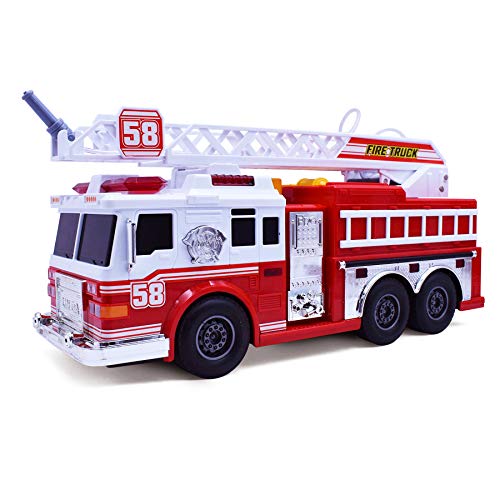
Toy Fire Engine with Sounds and Lights: The Ultimate Playtime Hero
Every child dreams of racing to the rescue. A toy fire engine with sounds and lights brings that fantasy to life with sirens, flashing beacons, and endless imaginative play. This complete guide helps you understand what makes a great fire engine toy, how to choose the right one for your child's age, and why this classic toy remains a favorite for generations.
Explore Top Picks🚨 Why a Fire Engine Toy? A toy fire engine with sounds and lights is more than just a vehicle — it is a gateway to role-play, storytelling, and cognitive development. Children learn about emergency services, practice coordination by pushing and steering, and develop language skills as they narrate rescue missions. The combination of auditory and visual feedback keeps engagement high, making it one of the most rewarding toys for toddlers and preschoolers.
What Makes a Great Toy Fire Engine with Sounds and Lights?
Not all fire engine toys are created equal. The best models balance durability, safety, and engaging features. Here are the key aspects to evaluate before making a choice:
🔊 Sound Quality & Variety
Look for clear, realistic siren sounds that are not overly loud or harsh. Volume control is a valuable feature for parents. Some models include multiple sound effects such as engine revving, water-pump noises, and dispatch calls.
💡 Light Effects
Flashing LED beacons and headlights add excitement and extend play into dimly lit rooms. Durable LED bulbs are preferable because they last longer and remain cool to the touch.
🔧 Build Quality
Reinforced plastic or die-cast metal construction ensures the toy survives enthusiastic play. Check for smooth edges, securely attached wheels, and battery compartments that stay closed.
👤 Age-Appropriate Design
For toddlers, choose chunky designs with no small parts. For older children, look for extendable ladders, working hoses, and removable figures that add complexity to play.
🔋 Battery Efficiency
A toy that drains batteries quickly becomes frustrating. Look for models with auto-off features or rechargeable batteries. Easy-access battery compartments make replacement simple.
🛡 Safety Certifications
Ensure the toy meets safety standards such as ASTM F963 or EN71. Non-toxic paints and BPA-free plastics are essential, especially for younger children who may mouth the toy.
Understanding Toy Fire Engine Tiers
Fire engine toys fall into distinct tiers based on features, materials, and target audience. This classification helps you align your choice with your child's needs and your expectations for durability and play value.
| Tier | Typical Features | Best For |
|---|---|---|
| Entry-Level / Starter Tier | Basic siren and flashing lights, simple push-along design, compact size, plastic construction. | Toddlers aged 18 months to 3 years who are just discovering vehicle play. |
| Mid-Range / Balanced Tier | Multiple sound effects, brighter LEDs, extendable ladder, durable plastic with rubberized wheels, volume control. | Preschoolers aged 3 to 5 years who enjoy more interactive rescue scenarios. |
| Premium / High-End Tier | Realistic sirens, working water-pump feature, die-cast metal parts, articulated figures, rechargeable battery, detailed decals. | School-age children aged 5 to 8 years who want a more authentic firefighting experience. |
| Top-Tier / Collector-Grade | Museum-quality detailing, limited edition designs, metal construction, display stand, premium packaging. | Collectors and older enthusiasts who value craftsmanship and display appeal. |
When comparing tiers, note that mid-range models often deliver the best balance of features and durability for everyday play. Entry-level options are ideal for introducing the concept, while premium and top-tier models serve children who are ready for more sophisticated play or collectors who appreciate fine detail.
Developmental Benefits of Fire Engine Play
A toy fire engine with sounds and lights supports multiple areas of child development. Understanding these benefits helps parents see beyond the excitement and recognize the educational value of this classic toy.
- Cognitive Development: Children learn cause and effect as they press buttons to activate sirens and lights. They also practice sequencing by narrating rescue missions from dispatch to resolution.
- Language & Communication: Role-playing firefighter scenarios encourages vocabulary growth and storytelling. Children describe emergencies, coordinate with imaginary team members, and practice clear communication.
- Fine Motor Skills: Pushing, steering, and manipulating small parts such as ladders and hoses help refine hand-eye coordination and dexterity.
- Social & Emotional Skills: Cooperative play with siblings or friends teaches sharing, turn-taking, and empathy as children work together to "save the day."
- Imaginative Play: Fire engine toys provide a structured yet open-ended platform for creativity. Children invent scenarios, assign roles, and explore problem-solving in a safe environment.
These developmental advantages make fire engine toys a valuable addition to any playroom. For related play ideas, explore fantasy toys and learning toys for 3-5 year olds to complement the experience.
Safety Considerations for Fire Engine Toys
Safety should always come first, especially when choosing toys for young children. Here are essential safety points to keep in mind:
- Age Recommendations: Always follow the manufacturer's age guidance. Toys with small detachable parts are not suitable for children under three due to choking hazards.
- Battery Safety: Ensure battery compartments are secured with screws and cannot be opened by children. Use the correct battery type and dispose of old batteries responsibly.
- Volume Levels: Prolonged exposure to loud sounds can damage hearing. Choose models with volume control or place the toy at a reasonable distance during play.
- Material Safety: Verify that the toy is made from non-toxic, BPA-free materials and painted with child-safe finishes. Check for safety certifications such as ASTM or EN71.
- Supervision: For younger children, supervise play to ensure they use the toy as intended and do not mishandle small parts.
For a deeper dive into toy safety, refer to our essential tier guidance and other safety-focused resources on the site.
🔗 Related Guides You May Find Useful
Frequently Asked Questions
What age is a toy fire engine with sounds and lights suitable for?
Most sound-and-light fire engine toys are designed for children aged 18 months and older. However, models with small parts or complex mechanisms may be better suited for children aged three and above. Always check the manufacturer's age recommendation.
How do I clean a toy fire engine with electronic components?
Remove batteries before cleaning. Wipe the surface with a damp cloth and mild soap. Avoid submerging the toy in water, as this can damage electronic parts. Dry thoroughly before reinstalling batteries.
Are replacement batteries easy to find?
Most fire engine toys use standard AA or AAA batteries, which are widely available. Some premium models include rechargeable battery packs. Check the product specifications for the exact battery type.
Can the sounds and lights be turned off?
Many models include an on/off switch or volume control. If quiet play is important, look for toys with a silent mode or removable battery option.
What should I do if the toy's sounds stop working?
First, check the batteries and ensure they are correctly installed. If the issue persists, inspect the battery contacts for corrosion. If the toy is still under warranty, contact the manufacturer for support.