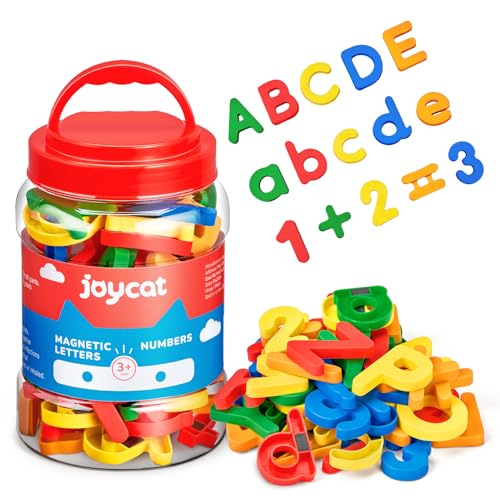
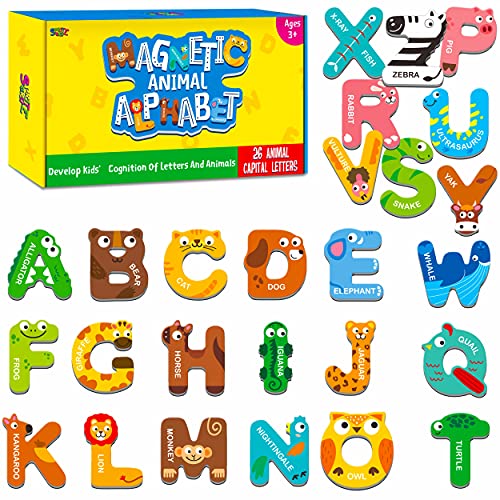
Fridge Magnet Alphabet Letters: A Parent's Complete Guide to Early Literacy
Fridge magnet alphabet letters are one of the most enduring and effective tools for introducing young children to reading. This guide explains how they work, what to look for, how to keep play safe, and how to choose the right set for every learning stage.
Explore Recommended SetsWhy Fridge Magnet Alphabet Letters Matter
Fridge magnet alphabet letters have earned their place in homes and classrooms for decades because they turn a passive surface — the refrigerator — into an interactive literacy board. Children who are still learning to sit still for formal lessons can walk up to a magnetic letter, pick it up, move it around, and build words at their own pace. The physical manipulation of letters is what makes the experience memorable: the brain connects the shape of the letter, the sound it makes, and the movement of the hand all at once.
Unlike flashcards or worksheets, magnetic letters invite open-ended exploration. A child can arrange the entire alphabet, sort vowels from consonants, spell their own name, or invent nonsense words without fear of making a mistake. That low-pressure environment is exactly what early literacy research recommends. If you are building a broader learning collection, you can pair these magnets with educational toys for 3-4 year olds and educational toys for 4-5 year olds to create a well-rounded early learning corner.
Magnetic alphabet letters also offer practical advantages over many other learning tools. They store compactly on the fridge or a magnetic board, they are easy to wipe clean, and they rarely get lost under furniture the way loose wooden letters do. For families with limited space, that combination of learning value and convenience is hard to beat.
Learning Benefits by Age
The right way to use fridge magnet alphabet letters depends on your child's developmental stage. The table below summarizes what each age group typically gains and how to present the letters.
12–24 Months
Children at this age explore through touch and mouthing. Choose oversized, fully sealed magnets and treat them as sensory objects — moving them, stacking them, and hearing you name the letters.
2–3 Years
Letter recognition begins. Point out the first letter of the child's name and simple familiar letters. Keep sessions short and playful, and always supervise.
4–5 Years
Phonics awareness blossoms. Children can sort letters by sound, build simple CVC words like "cat" and "sun," and start matching uppercase to lowercase letters.
6–7 Years
Spelling and word-building. Magnetic letters become a tool for practicing sight words, spelling patterns, and sentence construction on a magnetic board.
How Magnetic Play Supports Early Reading
- Letter recognition: Repeated visual exposure to letter shapes builds automatic recognition.
- Phonemic awareness: Saying letter sounds while moving the magnets links sound to symbol.
- Fine motor development: Pinching and placing small magnets strengthens the same muscles used for handwriting.
- Vocabulary building: Building words together introduces new vocabulary in a hands-on context.
- Confidence: Because mistakes are easily rearranged, children feel safe experimenting with spelling.
For children who enjoy structured games, combining magnetic letters with educational games for 3-5 year olds or educational games for 4-5 year olds can reinforce the same skills in a group setting.
Features That Make a Difference
Not all fridge magnet alphabet letters are created equal. When comparing sets, focus on the features below rather than flashy packaging.
Magnet Strength and Encapsulation
The strongest and safest design is a fully encased magnet — the magnetic material is sealed inside the letter body so it cannot detach. Thin, flat magnets with exposed magnetic strips are more prone to peeling and are not ideal for young children. A solid build with reinforced casing is worth prioritizing.
Letter Size and Choke-Hazard Compliance
For toddlers, choose letters large enough that they cannot fit entirely into a child's mouth. Many quality sets are designed specifically to exceed choke-hazard test dimensions. If the set is intended for a child under three, verify that every piece meets this standard.
Material and Finish
Look for non-toxic finishes and durable materials. Premium sets often use thick foam with a sealed surface, or molded plastic with rounded edges. Avoid sets with chipped paint or sharp corners. For families who prioritize natural materials, consider whether a wooden toys guide alternative with magnetic backing exists, though fully wooden magnetic letters are less common.
Alphabet Completeness
A complete set should include all 26 letters. Many quality sets add duplicates of commonly used letters (especially vowels) so children can spell longer words. Some sets include numbers and punctuation for extended play.
Storage and Portability
Sets that come with a storage container, tray, or magnetic board are more practical for families. A magnetic whiteboard or a magnetic-receptive mat expands play beyond the refrigerator, which matters in homes with stainless steel appliances that do not hold magnets.
Safety Checklist for Magnetic Alphabet Letters
Magnets deserve careful attention because swallowed magnets can cause serious internal injury. Use this checklist every time you introduce a new set.
- Encased magnets only: Reject any letter where the magnet is loose, peeling, or rattling inside the casing.
- Size check: For children under three, confirm the letters are too large to be swallowed. A simple rule is that the entire piece should not fit inside a small-parts tester cylinder.
- Inspect regularly: Check for cracks, chips, and detached magnets before each play session. Discard damaged letters immediately.
- Supervise young children: Even well-made magnets should be used with adult supervision until you are confident your child will not mouth them.
- Non-toxic finish: Choose sets that state they use non-toxic, child-safe finishes.
- Keep away from medical devices: Strong magnets can interfere with pacemakers and other implanted devices — keep sets away from anyone with such devices.
For broader safety guidance, review our toy safety guide and choking hazard prevention resources before purchasing any small-parts toy.
Comparing Quality Tiers
Fridge magnet alphabet letters are available across several quality tiers. This comparison uses neutral tier descriptors rather than numeric figures, so it stays useful regardless of market changes.
| Tier | Typical Characteristics | Best For |
|---|---|---|
| Entry-level | Thin flat magnets, basic plastic casing, standard 26-letter set, minimal extras. | Older children practicing spelling who will not mouth the pieces; short-term use. |
| Essential tier | Encased magnets, complete alphabet, slightly thicker bodies, basic storage bag. | Preschoolers beginning letter recognition with adult supervision. |
| Mid-range | Thick foam or molded plastic, sealed magnets, duplicate vowels, storage tray included. | Families building a durable learning set for children aged 3–6. |
| Premium | Reinforced casing, rounded edges, non-toxic premium finish, full alphabet plus numbers, magnetic board included. | Long-term daily use across multiple children; classroom or homeschool settings. |
| Top-tier | Professional-grade construction, extensive duplicate letter sets, themed or curriculum-aligned collections, premium storage system. | Teachers, tutors, and families who want a flagship learning kit. |
As a general rule, mid-range sets offer a noticeably more durable build than entry-level options, while top-tier sets are designed for intensive, repeated use. Match the tier to how often the letters will be handled and by how many children.
Play Ideas and Activities
Magnetic alphabet letters shine when they are used as part of playful routines. Try these activities to get more from your set.
Name Building
Start with the child's own name — it is the most motivating word for a young learner. Arrange the letters together, then mix them up and invite the child to rebuild the name.
Letter Sound Hunt
Call out a letter sound and have the child find the matching magnet on the fridge. This builds phonemic awareness and listening skills.
Simple Word Families
Build a base word like "cat," then swap the first letter to create "bat," "hat," and "mat." This pattern practice is a foundational reading skill.
Vowel Sorting
Ask the child to separate vowels from consonants. Sorting activities strengthen categorization and letter knowledge at the same time.
Magnetic Board Stories
Use a magnetic whiteboard to build short sentences together. For children ready for more structured play, pair this with educational toys for 5-6 year olds that emphasize reading and writing.
For children who enjoy hands-on building and problem-solving, our educational building toys for 5 year olds guide offers complementary activities that reinforce the same fine motor and cognitive skills.
Care and Maintenance
With a little routine care, a quality set of fridge magnet alphabet letters can last through multiple children. Follow these habits:
- Wipe clean: Use a damp cloth with mild soap to remove food residue and sticky fingerprints. Dry thoroughly before returning to the fridge.
- Inspect monthly: Check each letter for cracks, chips, or loose magnets. Remove any damaged piece from the play area.
- Store dry: Keep letters in a dry container or tray to prevent mold and material degradation.
- Avoid extreme heat: Do not leave magnets in direct sunlight or near heat sources, which can warp plastic or weaken adhesive layers.
- Rotate sets: If you have multiple learning sets, rotate them to keep play fresh and reduce wear on any single set.
These habits align with the broader advice in our toy longevity tips guide.
Frequently Asked Questions
At what age should children start using fridge magnet alphabet letters?
Most children are ready to explore magnetic alphabet letters between 2 and 3 years old, once they stop putting small objects in their mouths. Always supervise play and choose large, choke-tested magnets for the youngest users.
Are fridge magnet alphabet letters safe for toddlers?
Yes, when chosen carefully. Look for letters with fully encased magnets, no loose parts, non-toxic finishes, and a size that passes the choke-hazard test. Avoid vintage or damaged magnets where the magnet could detach.
How do magnetic alphabet letters help children learn to read?
Magnetic letters support letter recognition, phonics awareness, and early spelling. Children physically manipulate letters to form words, which reinforces memory through tactile and visual learning.
Which fridge surfaces do magnetic letters stick to?
Standard steel refrigerators work best. Stainless steel models with a non-magnetic finish will not hold magnets, so consider a magnetic whiteboard or a magnetic-receptive mat as an alternative.
Can magnetic alphabet letters be used in a classroom?
Absolutely. Top-tier and premium sets are widely used in preschools and early elementary classrooms. Choose sets with duplicate vowels and durable casing for group use, and pair them with a magnetic whiteboard.
Final Thoughts
Fridge magnet alphabet letters remain one of the most practical, affordable-in-relative-terms, and effective early literacy tools available. They transform a daily environment into a learning space, they encourage hands-on experimentation, and they grow with a child from first letter recognition to early spelling. By prioritizing encased magnets, appropriate sizing, non-toxic finishes, and regular safety checks, you can confidently introduce magnetic letters into your home. Use the tier comparison in this guide to match the set to your child's needs, and pair the letters with the play activities above to maximize their learning value.