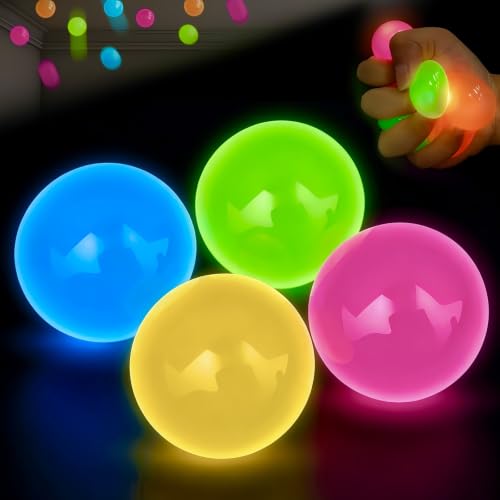
Sticky Balls You Throw at the Ceiling: The Complete Guide
Everything you need to know about sticky ceiling balls — how they work, which types exist, safety advice, fun play ideas, and how to pick the right ones for your family.
What Are Sticky Balls You Throw at the Ceiling?
Sticky balls are soft, squishy toys made from a tacky, rubber-like material that clings to smooth surfaces such as ceilings, walls, windows, and tiles. You simply throw them upward, they stick for a moment, then slowly peel away or drop back down. They have become a popular stress-relief and fidget toy for kids and adults alike.
Unlike ordinary bouncy balls, sticky balls are designed with a lightly adhesive surface that creates a temporary bond with flat, non-porous surfaces. This makes them ideal for indoor play, especially in rooms with smooth ceilings. Many people also use them as a gentle way to relieve stress — the repetitive throwing and sticking motion can be oddly satisfying.
If you enjoy tactile, squishy toys, you may also like squishy fidget toys or stress ball balls, which offer similar sensory benefits.
How Do Sticky Ceiling Balls Work?
The secret lies in the material. Most sticky balls are made from a blend of thermoplastic rubber (TPR) or silicone-based compounds that have a natural tackiness. When the ball hits a smooth surface, the material deforms slightly and creates a weak suction-like bond. Gravity eventually pulls the ball down, but the stickiness is strong enough to hold it for a few seconds to several minutes, depending on the ball's quality and the surface.
Key Factors That Affect Stickiness
- Surface texture: Smooth, non-porous surfaces (glass, painted drywall, tile) work best. Textured or dusty ceilings reduce adhesion.
- Ball condition: Dust, lint, and oils from hands reduce tackiness. Regular cleaning restores performance.
- Temperature: Sticky balls perform best at room temperature. Extreme heat or cold can make them too soft or too stiff.
- Throw technique: A firm, direct throw works better than a gentle lob. Aim for a flat area of the ceiling.
Types of Sticky Balls for Ceiling Play
Not all sticky balls are created equal. Here is a breakdown of the most common types you will find:
| Type | Best For | Key Characteristics |
|---|---|---|
| Classic sticky balls | General indoor play | Soft, tacky surface; sticks to most smooth ceilings; entry-level tier |
| Glow-in-the-dark sticky balls | Nighttime fun and sensory play | Phosphorescent material that glows after exposure to light; mid-range tier |
| Textured or spiky sticky balls | Sensory stimulation and grip variation | Raised bumps or ridges for tactile feedback; balanced tier |
| Large sticky balls | Younger children and easier handling | Bigger size for small hands; softer throw; essential tier |
| Premium sticky ball sets | Families and group play | Multiple balls in various colors and sizes; high-end tier for durability and consistency |
If you are specifically looking for glow-in-the-dark options, see our guide to glow in the dark balls that stick to the ceiling.
Are Sticky Balls Safe? Safety Guidelines for Parents
Sticky balls are generally safe for children aged three and older, but there are important safety considerations:
- Choking hazard: Small sticky balls can be a choking risk for children under three. Always supervise young children and choose larger sizes for toddlers.
- Material safety: Look for balls labeled non-toxic and free from BPA, phthalates, and lead. Reputable brands disclose their material composition.
- Surface damage: On freshly painted or porous ceilings, sticky balls may leave a slight oily residue. Test on a small inconspicuous area first.
- Allergies: Some children may be sensitive to certain rubber or silicone compounds. Discontinue use if any irritation occurs.
- Supervision: Even older children should be supervised during ceiling play to prevent balls from landing on fragile items or hitting someone.
For a broader overview of toy safety, explore our toy safety guide.
Fun Play Ideas with Sticky Ceiling Balls
Sticky balls are more than just a passing fad. Here are creative ways to use them:
1. Target Practice
Stick paper targets on the ceiling and challenge kids to hit them. This improves hand-eye coordination and provides a sense of achievement.
2. Color Sorting Game
Use different colored balls and ask children to throw only the red ones, then the blue ones, and so on. This reinforces color recognition and listening skills.
3. Countdown Challenge
See how many balls you can stick to the ceiling before the first one falls. Count aloud together — a playful way to practice counting.
4. Stress Relief for Adults
Many adults use sticky balls as a calming fidget tool. The repetitive motion of throwing and watching the ball stick can be meditative. Pair them with other squishy toys for a full sensory break.
5. Glow-in-the-Dark Ceiling Constellations
Use glow-in-the-dark sticky balls to create constellations on the ceiling before bedtime. A soothing, imaginative activity that helps kids wind down.
How to Choose the Best Sticky Balls
When shopping for sticky ceiling balls, consider the following factors:
- Material quality: Premium materials tend to be more durable and leave less residue. Entry-level balls may lose tackiness faster.
- Size: Larger balls are easier for young children to handle and pose less of a choking risk.
- Quantity: Sets with multiple balls offer better play value for families and playdates.
- Extras: Glow-in-the-dark or textured options add variety and sensory appeal.
- Brand reputation: Choose brands with positive reviews and clear safety certifications.
For a related tactile experience, you might also enjoy mochi squishy toys or duck squishy figures.
Frequently Asked Questions
What are sticky balls you throw at the ceiling?
Sticky balls are soft, pliable toys made from a tacky material that adheres to smooth surfaces like ceilings, walls, and windows. They are designed to be thrown, stick briefly, and then slowly peel off or fall down.
Are sticky balls safe for children?
Most sticky balls are made from non-toxic materials and are safe for children above the age of three. However, they can pose a choking hazard for younger children, so adult supervision is recommended. Always check the age recommendation on the packaging.
How do I clean sticky balls?
To clean sticky balls, simply rinse them with lukewarm water and mild soap, then let them air dry. Avoid using harsh chemicals or hot water, as these can damage the sticky surface.
Will sticky balls leave marks on my ceiling?
High-quality sticky balls are designed to leave no residue on most smooth surfaces. However, on porous or freshly painted ceilings, they may leave a slight oily mark that can usually be wiped away with a damp cloth.
How long do sticky balls stay on the ceiling?
Depending on the ball's quality, the surface, and the throw, a sticky ball can stay on the ceiling for a few seconds up to several minutes. Heavier balls tend to fall faster, while lighter, high-tack balls can hold longer.
More Toy Ideas for Active and Sensory Play
If your child enjoys sticky balls, they may also like other tactile and active toys. Explore our guides to sensory toys for 6 month old babies, sensory bin ideas for 2 year olds, and developmental toys for 5 year olds. For outdoor fun, check out outdoor toys for 6 year olds or fun pool toys for 10 year olds.
Sticky balls are a simple, joyful way to add movement and sensory feedback to indoor play. With the right safety precautions and a little creativity, they can become a favorite toy for the whole family.