Duck Squishy: The Ultimate Soft, Stretchy & Satisfying Toy Guide
Everything you need to know about duck squishy toys — how they feel, why they help with stress relief, how to pick the right one for your needs, and what to look for before you buy.
📋 Table of Contents
What Is a Duck Squishy?
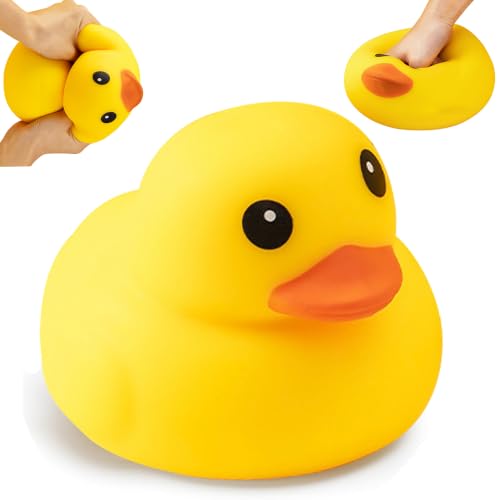
A duck squishy is a soft, squeezable toy shaped like a duck — usually a classic yellow rubber-duck silhouette, though modern versions come in many colors, sizes, and expressions. Unlike rigid plastic bath ducks, a squishy duck is made from pliable materials such as slow-rising foam, TPR (thermoplastic rubber), silicone gel, or memory foam, allowing it to be compressed, stretched, and molded in the hand.
The appeal is simple: when you squeeze a duck squishy, it slowly returns to its original shape, creating a calming, repetitive motion. This makes it a favorite among squishy toys collectors, sensory-seeking children, and adults looking for a desk-friendly stress reliever. Whether you call it a squishy duck, a stretchy duck toy, or a duck stress ball, the core experience is the same — soft, satisfying, and endlessly fun to fidget with.
Duck squishies sit in the same family as mochi squishy toys and squishy fidget toys, but their recognizable duck shape gives them a playful character that appeals to a broader audience — from toddlers to office workers.
Why Duck Squishy Toys Are So Popular
Duck squishy toys have surged in popularity for several reasons. First, the duck shape is universally friendly and instantly recognizable — it evokes childhood bath-time memories and carries a cheerful, comforting vibe. Second, the tactile feedback of a slow-rising squishy is genuinely soothing, which is why many people keep one on their desk or in their bag.
Third, duck squishies are highly collectible. Manufacturers release them in dozens of variants: jumbo ducks, mini ducks, glitter-filled ducks, scented ducks, and even ducks with expressive faces. This variety keeps collectors engaged and makes them popular gift items. Finally, they are versatile — suitable as a sensory toy for children, a fidget tool for adults, or a whimsical decoration for a room.
Compared to other stress ball balls, the duck squishy offers a more character-driven experience. Instead of a plain sphere, you get a shaped toy that feels personal and fun to display.
Types of Duck Squishy Toys
Not all duck squishies are created equal. The market offers several distinct categories, each with its own feel and best use case. Understanding the differences will help you pick the right one.
| Type | Texture & Feel | Best For |
|---|---|---|
| Slow-Rising Foam Duck | Soft, dense, slowly returns to shape | Stress relief, desk fidgeting, adults |
| TPR Stretchy Duck | Rubbery, highly stretchable, slightly sticky | Sensory play, kids who love pulling and stretching |
| Mochi-Style Duck | Ultra-soft, powdery finish, squishy like mochi | Collectors, gentle squeezing, display |
| Gel-Filled Duck | Firm outer shell with gel core, weighted feel | Hand therapy, deeper pressure relief |
| Glitter or Scented Duck | Decorative, visually or aromatically engaging | Gifts, collectors, visual sensory input |
If you enjoy variety, many duck squishies pair well with other themed squishies like dumpling toys or even mochi squishy sets for a diverse collection.
Materials & Texture Guide
The material of a duck squishy determines how it feels, how long it lasts, and who should use it. Here is a breakdown of the most common materials:
- Memory Foam / Slow-Rising Foam: The gold standard for stress relief. It compresses smoothly and rises slowly, giving a satisfying, meditative feel. These are generally mid-range in durability and are best for older children and adults.
- TPR (Thermoplastic Rubber): Very stretchy and durable. TPR ducks can be pulled, twisted, and stretched without tearing easily. They may have a slightly rubbery scent initially. Ideal for sensory-seeking kids.
- Silicone Gel: Found in gel-filled ducks, this provides a firmer, weighted squeeze. These are often premium-tier in feel and are favored for hand-strengthening exercises.
- PU Foam: A lighter, airier foam used in many entry-level squishies. It feels soft but may lose shape faster than slow-rising foam.
When choosing, consider the user's age and needs. For young children, TPR or large foam ducks with no small parts are safest. For adults seeking a calming desk tool, slow-rising foam or gel-filled ducks offer the most satisfying experience.
Benefits for Kids & Adults
Duck squishy toys offer more than just fun. Their benefits span sensory development, emotional regulation, and simple enjoyment.
For children: Squeezing and stretching a duck squishy helps develop fine motor skills and hand strength. It provides calming sensory input that can support focus during homework or quiet time. For children with sensory processing needs, a squishy duck can be a portable, unobtrusive fidget tool.
For adults: The repetitive squeeze-and-release motion of a slow-rising duck squishy can reduce restlessness and provide a healthy outlet for stress during work or study. Many people keep one on their desk as a conversation starter and a quick mental reset. It is a simple, screen-free way to take a micro-break.
Additionally, duck squishies are popular in classrooms and therapy settings as fidget tools. Their friendly appearance makes them less distracting than mechanical fidgets, helping users stay calm without drawing unwanted attention.
Buying Guide: How to Choose the Right Duck Squishy
With so many options available, selecting the right duck squishy comes down to a few key factors. Use this guide to make a confident choice.
- Consider the user's age. For toddlers and young children, choose large ducks with no removable parts, and verify age labeling. For teens and adults, smaller, more detailed squishies are fine.
- Decide on the primary use. If it is for stress relief, prioritize slow-rising foam or gel-filled designs. If it is for sensory play, choose a stretchy TPR duck. If it is for display or collecting, mochi-style or glitter ducks are ideal.
- Check the material quality. Look for squishies described as using premium materials or durable construction. Cheaper foams may tear or crumble over time, while quality TPR and silicone hold up better.
- Think about size. Mini ducks are great for pockets and party favors; jumbo ducks are satisfying for two-handed squeezing and make fun gifts. Medium-sized ducks are the most versatile.
- Review safety information. Ensure the product has age recommendations and complies with toy safety standards. Avoid squishies with strong chemical odors, which may indicate low-quality materials.
If you are new to squishy collecting, start with a mid-range slow-rising foam duck. It offers an excellent balance of feel and durability and helps you decide whether you prefer softer or firmer squishies before expanding your collection.
Care & Maintenance Tips
To keep your duck squishy in good condition, follow these simple care tips:
- Clean with a damp cloth. Most squishies should not be soaked in water. Wipe the surface gently with a damp cloth and mild soap, then air dry.
- Keep away from sharp objects. Foam and TPR can tear if punctured. Store your duck in a small pouch or container when not in use.
- Avoid direct sunlight and heat. Prolonged exposure can degrade the material and cause color fading or stickiness.
- Do not over-stretch TPR ducks. While stretchy, excessive pulling can weaken the material over time. Gentle, regular use keeps it elastic longer.
- Replace when worn. If a squishy develops tears, sticky residue, or an unpleasant odor, it is time to replace it for hygiene and safety.
For families with multiple squishies, consider a rotation system to extend the life of each toy. This is also a great way to keep sensory play fresh and engaging.
Safety Considerations
While duck squishy toys are generally safe, a few precautions matter — especially for young children.
Choking risk: Small squishies or those with tiny decorative parts are not suitable for children under three. Always follow the age recommendation on the packaging. For babies and toddlers, choose large, one-piece squishies or avoid them entirely in favor of age-appropriate infant toys 0-6 months.
Material safety: Look for squishies labeled as non-toxic and free from harmful chemicals. Avoid products with strong plastic or chemical smells, as these may indicate low-grade materials. Reputable brands provide safety certifications.
Supervision: Children should be supervised during play, especially if they tend to mouth toys. Inspect squishies regularly for tears that could release filling material.
🦆 Ready to Find Your Perfect Duck Squishy?
Browse our hand-picked selection of soft, stretchy, and satisfying duck squishy toys. From slow-rising stress relievers to stretchy sensory ducks, there is one for every need.
Explore Top Picks →Frequently Asked Questions
What is the best duck squishy for stress relief?
Slow-rising foam ducks and gel-filled ducks are generally best for stress relief. They provide a smooth, satisfying squeeze and return to shape gradually, which supports a calming rhythm. For a firmer feel, choose a gel-filled duck; for a softer, lighter feel, choose slow-rising foam.
Are duck squishy toys safe for toddlers?
Only if they are specifically labeled for the child's age and are large enough to be safe. Many squishies are not intended for children under three due to small parts or material concerns. Always check the packaging and supervise play. For younger children, consider safer alternatives like bath toys for toddlers.
How long does a duck squishy last?
With proper care, a quality duck squishy can last many months or longer. TPR ducks tend to be the most durable, while foam squishies may wear faster with heavy use. Avoid sharp objects and excessive stretching to extend lifespan.
Can I clean my duck squishy with water?
Most squishies should not be submerged. Instead, wipe the surface with a damp cloth and mild soap, then let it air dry. Soaking can damage the material or cause internal filling to degrade.
Are duck squishies good for sensory play?
Yes. Stretchy TPR ducks and textured foam ducks provide excellent tactile input for sensory play. They can help children explore different textures and develop fine motor control. Pair them with other sensory toys for a richer experience.
What is the difference between a duck squishy and a rubber duck?
A classic rubber duck is a hollow, rigid bath toy that floats. A duck squishy is made from soft, pliable materials designed to be squeezed, stretched, and molded. While some squishies can float, their primary purpose is tactile play and stress relief rather than bath-time fun.