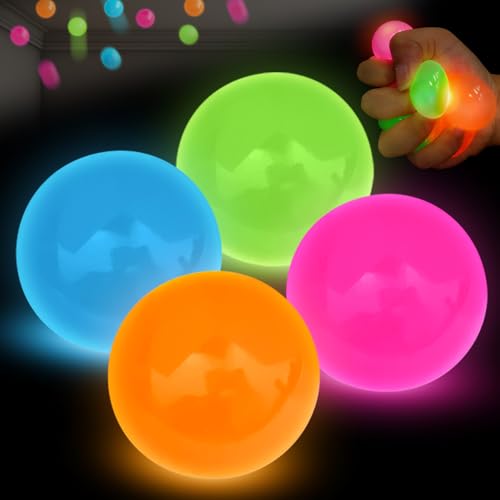
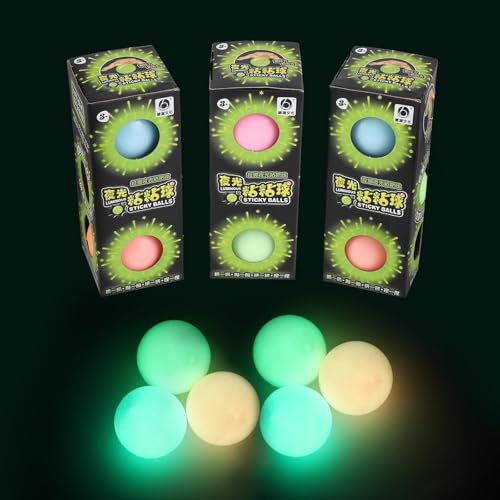
Glow in the Dark Balls That Stick to the Ceiling
Everything you need to know about luminous ceiling balls — how they work, how to use them safely, and how to choose the right set for your family's playtime.
Explore Recommended SetsWhy these balls are so popular: Glow in the dark balls that stick to the ceiling combine two things kids love — luminous light and satisfying stick-and-release play. They turn a bedroom ceiling into a mini planetarium, encourage gentle tossing and catching, and double as a calming sensory activity before bedtime. This guide walks you through the mechanics, the safety considerations, and the practical details that matter when you are comparing options.
What Are Ceiling-Sticking Glow Balls?
These are small, lightweight spheres made from a soft, elastic polymer that has a slightly tacky surface. When thrown against a smooth, flat surface such as a ceiling or a wall, they compress on impact and briefly adhere before slowly peeling away and dropping back down. The glow effect comes from phosphorescent pigments embedded in the material, which absorb ambient light and re-emit it in a soft, visible glow once the room goes dark.
Unlike ordinary bouncy balls, the appeal here is the combination of tactile feedback and luminous visibility. The sticky surface means the ball stays put for a few seconds, giving kids a satisfying "stick" moment, while the glow makes every throw visible even in low light. This is why they frequently overlap with the broader category of sticky balls you throw at the ceiling and with sensory squishy fidget toys.
How the Glow Mechanism Works
The luminous effect is based on photoluminescence. The pigments absorb photons from any light source — sunlight, a desk lamp, or a phone flashlight — and then release that stored energy gradually as visible light. The practical implications are simple:
- Charging time matters: a few minutes under direct light produces a brighter and longer-lasting glow than a quick pass.
- Darkness matters: the glow is most dramatic in a fully darkened room; ambient light washes it out.
- Color variety: common glow colors include green, blue, aqua, and multi-color assortments, all achieved with different phosphor pigments.
- No batteries required: the effect is passive and repeatable, which is a major part of the appeal for parents.
How the Sticking Mechanism Works
The tackiness is a material property, not an adhesive coating. The polymer is formulated to be mildly sticky, so it grips smooth surfaces on contact. This means the balls work best on painted drywall, smooth ceilings, glass, and tile, and they tend to perform poorly on textured surfaces, popcorn ceilings, or fabric. When the ball loses its grip — typically within a few seconds — it falls, which is exactly the intended play cycle.
Practical note: over time, dust and lint reduce tackiness. A quick rinse with lukewarm water and a gentle pat-dry usually restores most of the grip. Avoid harsh cleaners, which can degrade the polymer surface.
Key Features to Evaluate Before You Choose
Glow Brightness & Duration
Higher-grade phosphors charge faster and glow longer. Entry-level sets typically fade within minutes, while top-tier sets can remain visible considerably longer after a full charge.
Stick Strength & Surface Compatibility
The best-performing balls grip smooth ceilings and walls reliably without leaving residue. Check whether the set is described as suitable for painted drywall and glass.
Material Safety
Look for non-toxic, latex-free formulations with smooth seams. Since these are hand-held toys, material quality is a genuine differentiator between tiers.
Size & Weight
Smaller balls are easier for young children to grip, while slightly larger balls are easier to find in the dark. Weight affects how well they stick and how safely they fall.
Residue & Cleanup
Quality sets release cleanly from painted surfaces. Lower-grade materials can leave faint marks on walls, so surface testing in an inconspicuous spot is a smart first step.
Set Quantity & Storage
Larger assortments support group play and ceiling "constellation" patterns. A small storage pouch or jar keeps the set together and protects the tacky surface from dust.
Comparing Tiers: Which Segment Fits Your Needs?
Rather than anchoring on numbers, it helps to think in terms of market tiers. The table below maps the three common segments to their typical characteristics and ideal use cases. This is a relative comparison — a mid-range set generally offers better glow consistency and cleaner release than an entry-level set, while a top-tier set focuses on premium phosphors and refined material feel.
| Tier | Typical Characteristics | Best For |
|---|---|---|
| Essential tier | Basic phosphor glow, moderate stick duration, simple polymer formulation, smaller assortments. | First-time buyers, casual play, party favors, and testing whether the concept appeals to a child. |
| Balanced tier | Improved glow brightness and charge retention, more consistent tackiness, cleaner release from painted surfaces, mid-size sets. | Regular family play, bedroom ceiling constellations, and mixed-age sibling use. |
| Top-tier | Premium phosphor blends, longer visible glow after charging, refined soft-touch material, larger curated assortments. | Dedicated glow-play fans, gift sets, and households that want the most polished tactile experience. |
If you are new to this category, the essential tier is a sensible starting point. Families who already know the concept works well for their kids usually find the balanced tier offers the most consistent day-to-day experience, while the top tier is aimed at enthusiasts who value material refinement.
Safety Considerations for Ceiling Ball Play
These toys are simple, but a few sensible precautions make play safer and more enjoyable:
- Age suitability: small spheres are a choking hazard for children under three. Always follow the manufacturer's age guidance on the packaging.
- Supervision: young children should play under adult supervision, especially when throwing upward.
- Throw direction: aim at open ceiling space, away from light fixtures, smoke detectors, and ceiling fans that are in motion.
- Surface check: test one ball on an inconspicuous area of the ceiling before committing to a full set, particularly on freshly painted surfaces.
- Material check: confirm the product is labeled non-toxic and latex-free, and discard any ball that develops tears or sticky residue leaks.
- Storage: keep the set in a clean container away from direct heat, which can degrade the polymer over time.
For households with toddlers, it is worth pairing ceiling ball play with other age-appropriate sensory options. Guides such as sensory toys for a 6-month-old and age-appropriate toys for 2-year-olds can help you build a balanced play collection.
Creative Play Ideas for Glow Ceiling Balls
Once you have a set, the play possibilities go well beyond simple tossing:
- Ceiling constellations: charge the balls under a lamp, then throw them in patterns to create star maps or simple shapes overhead.
- Countdown catch: toss a ball, count how long it sticks, and try to beat the previous record — a gentle math and timing game.
- Color sorting in the dark: with multi-color sets, call out a color and have kids find and throw only that ball.
- Bedtime wind-down: a few minutes of quiet ceiling play can ease the transition to sleep, similar in spirit to squishy toys and other calming tactile activities.
- Party game: divide players into teams and award points for balls that stick within a marked ceiling zone.
- Sensory break: the squeeze-and-release action offers a satisfying fidget outlet, making these a natural companion to stress ball balls and squishy fidget toys.
Care, Cleaning, and Longevity
With basic care, a quality set can stay tacky and luminous for a long time:
- Clean regularly: rinse with lukewarm water when tackiness drops, then pat dry with a lint-free cloth.
- Avoid solvents: alcohol, bleach, and household cleaners can break down the polymer surface.
- Recharge before play: a few minutes under bright light before bedtime produces the strongest glow.
- Store away from heat and sunlight: prolonged UV exposure can yellow the material and weaken the glow.
- Rotate sets: if you own multiple sets, rotating them extends the usable life of each one.
If you enjoy collecting playful, tactile items, you may also like exploring squishy toys, mochi squishy items, and dumpling toys — all of which share the same hands-on, stress-relieving appeal.
Frequently Asked Questions
Do glow in the dark ceiling balls really stick to the ceiling?
Yes — the soft, slightly tacky polymer grips smooth, flat surfaces such as painted ceilings and glass. They typically hold for a few seconds before slowly releasing and falling. Textured or popcorn ceilings reduce stick performance significantly.
How long do they glow after charging?
It depends on the phosphor quality and charge time. Entry-level sets often glow visibly for several minutes, while premium sets can remain visible considerably longer. Charging under direct light for a few minutes produces the best result.
Will they leave marks on my ceiling or walls?
Quality sets release cleanly from painted drywall. Lower-grade materials can occasionally leave faint residue, so test one ball on an inconspicuous area first. Cleaning with lukewarm water restores tackiness without damaging paint.
Are they safe for young children?
They are safe when used as intended and under supervision, but small spheres are a choking hazard for children under three. Always check the manufacturer's age guidance and inspect the balls for tears before play.
How do I restore stickiness if the balls stop sticking?
Dust and lint are the usual culprits. Rinse the balls with lukewarm water, gently rub away surface debris, and pat dry. Avoid soap and solvents, which can degrade the tacky surface.
Can these balls be used outdoors?
They work best on smooth indoor surfaces. Outdoors, dust and rough textures quickly reduce stickiness, and direct sunlight can accelerate material wear over time.
Related Guides You May Find Useful
If you are building a broader play or sensory collection, these related pages pair naturally with glow ceiling balls: