RC Helicopter Guide: Fly With Confidence
Remote control helicopters blend engineering, precision, and pure fun. Whether you are buying your first trainer model or upgrading to a collective-pitch machine, this guide explains the types, controls, battery care, and features that matter — so you can choose with confidence and spend more time in the air.
Why an RC Helicopter Deserves a Place in Your Hobby
An RC helicopter is one of the most rewarding remote control machines you can own. Unlike ground vehicles, a helicopter operates in three dimensions — it hovers, climbs, banks, and lands with a precision that teaches real coordination. Modern electronics have made the hobby far more accessible: gyro stabilization, altitude hold, and one-key return are now common even on starter models.
The category is broad. Tiny indoor coaxials are quiet enough for a living room, while scale turbine models are serious workshop projects. This guide focuses on the practical middle ground — the machines most buyers actually consider — and explains the trade-offs in plain language. If you are also curious about fixed-wing flight, our RC airplanes guide covers that path in detail, and the broader radio control models hub connects every vehicle type.
1. Types of RC Helicopters
Understanding the main categories is the single most important step before you buy. Each type behaves differently in the air and suits a different skill level.
Coaxial (Fixed-Pitch) Helicopters
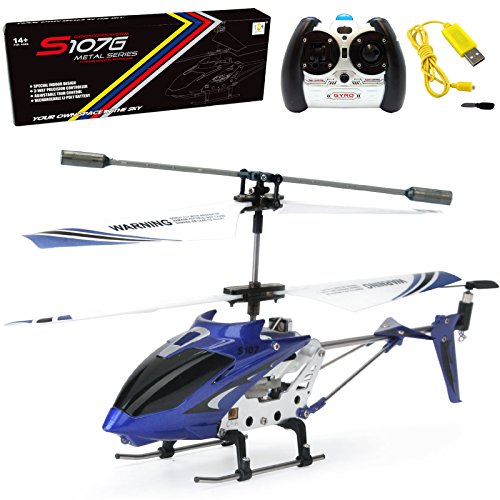
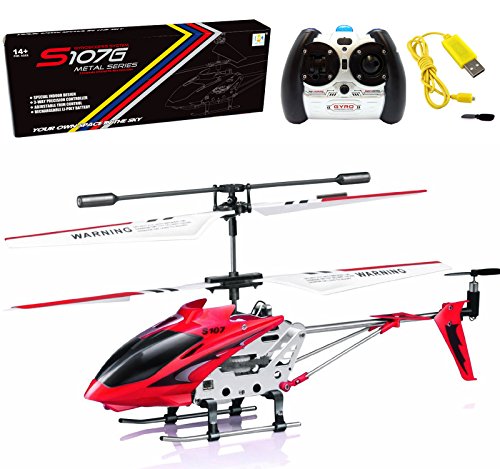
Two stacked rotors spin in opposite directions, canceling torque. This design is inherently stable, which makes coaxial helicopters the classic entry point. They hover almost hands-off and survive gentle bumps well. Flight is calm rather than agile — perfect for indoor practice and for younger pilots under supervision.
Single-Rotor Fixed-Pitch
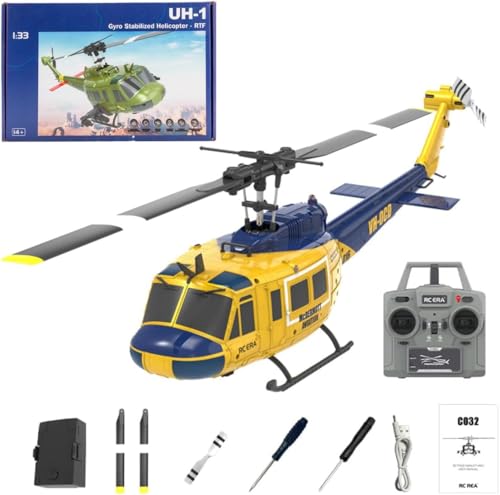
A step up in responsiveness. A tail rotor or motor counters torque, and the model reacts faster to stick input. These helicopters handle light outdoor breeze and teach proper orientation skills. Many mid-range trainers fall into this class.
Collective-Pitch (CP) Helicopters
The professional-grade category. Blade pitch changes in flight, enabling inverted flight, loops, and precise autorotation. CP machines demand real practice and are best approached with a simulator and training gear. They are the long-term choice for anyone who wants to grow in the hobby.
Scale and Turbine Models
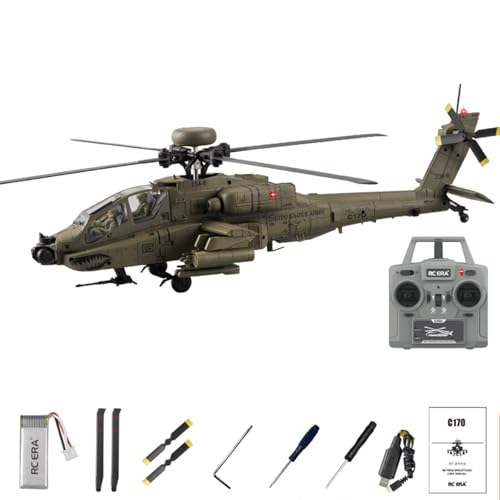
Scale helicopters replicate real aircraft down to cockpit details. Top-tier turbine models are commercial-grade machines with complex maintenance schedules. They reward experienced builders but are not first purchases.
| Type | Tier | Best For | Flight Character |
|---|---|---|---|
| Coaxial | Entry-level | First-time pilots, indoor use | Very stable, self-centering hover |
| Fixed-pitch single rotor | Mid-range | Pilots ready to learn orientation | Responsive, moderate wind tolerance |
| Collective pitch | Premium | Aerobatics, long-term hobbyists | Fully aerobatic, skill-dependent |
| Scale / turbine | Top-tier | Experienced builders and collectors | Realistic, demanding maintenance |
2. Best Options for Beginners
Beginners should prioritize stability, durability, and parts availability over speed. A good starter helicopter lets you crash, replace a blade, and fly again the same afternoon.
- Look for auto-hover and altitude hold. These features reduce the learning curve dramatically and let you focus on orientation.
- Choose a model with readily available spare blades and gears. Consumable parts are the real long-term consideration for any hobby machine.
- Start indoors or in calm air. Even light wind overwhelms entry-level models and turns practice into frustration.
- Buy a simulator or use a training kit. A few hours of virtual stick time saves real repairs.
3. Controls, Transmitters & Simulators
Most RC helicopters ship with a 2.4 GHz transmitter, which avoids interference and allows many pilots to fly in the same area. The standard layout is Mode 2: the left stick controls throttle and yaw, the right stick controls pitch and roll.
What the Sticks Do
- Throttle — rotor speed and climb.
- Yaw — rotation of the nose left or right.
- Pitch — tilt forward or backward.
- Roll — tilt left or right.
Transmitter Features Worth Having
Beginner-friendly transmitters include dual rates (a low-sensitivity mode), expo curves for smoother inputs, and a bind button for pairing. Mid-range and premium transmitters add telemetry, model memory, and programmable switches. If you later move to planes, the same transmitter family often carries over — our radio controlled aircraft and ready-to-fly RC planes guides explain that ecosystem.
Simulators Are Not Optional
For collective-pitch flight, a simulator is the single best investment a new pilot can make. It teaches muscle memory without repair downtime. Many mid-range and premium transmitters connect directly to a PC or mobile simulator.
4. Battery, Charging & Flight Time
Lithium-polymer (LiPo) batteries power most modern helicopters. They deliver strong output for their weight, but they require respectful handling.
- Flight time: typical models fly 5–15 minutes per charge. Larger batteries extend flight but add weight.
- Storage voltage: store LiPo packs at roughly half charge if you will not fly for a week or more.
- Never charge unattended. Use the supplied charger and a fire-safe surface.
- Cool-down: let the motor and battery rest between flights to protect electronics.
Entry-level models often include a USB charger and a single pack. Mid-range kits frequently ship with two packs and a balance charger — a worthwhile upgrade that improves battery lifespan.
5. Build Quality & Spare Parts
Materials tell you a lot about how a helicopter will age. Entry-level machines use molded plastic frames and flexible blades that absorb crashes. Mid-range models combine plastic with carbon-fiber or aluminum components. Premium and professional-grade machines use high-grade aluminum, carbon fiber, and reinforced gears.
Check parts availability before you buy. A helicopter is only as good as its spare-parts supply chain. Popular platforms keep blades, landing skids, motors, and gears in stock; niche models can leave you grounded for weeks.
6. Safety & Maintenance
Spinning rotors are the primary hazard. Follow these rules every flight:
- Fly in open space, away from people, pets, and windows.
- Keep a safe perimeter of several meters around the helicopter at all times.
- Never fly near airports or restricted airspace.
- Supervise children closely; small parts are choking hazards.
- Inspect blades and linkages before each flight and replace damaged parts.
- Follow the manufacturer's charging instructions exactly.
Routine maintenance is simple: check screws for looseness, clean the rotors, inspect the battery for swelling, and lubricate moving parts according to the manual. A well-maintained helicopter can last for years.
7. Buying Checklist
Use this quick checklist to narrow your options:
- Skill level — coaxial for beginners, collective-pitch for experienced pilots.
- Flight environment — indoor, backyard, or open field.
- Stability features — auto-hover, altitude hold, one-key return.
- Parts availability — blades, motors, and gears in stock.
- Battery system — LiPo packs, balance charger, spare batteries.
- Transmitter — mode 2 layout, dual rates, simulator compatibility.
- Tier fit — entry-level, mid-range, or premium depending on your long-term plans.
If you want to explore the wider hobby, the radio control models hub gathers helicopters, planes, and ground vehicles in one place. Pilots who enjoy tinkering often also enjoy our RC car kits to build and ready-to-run RC drift cars resources.
Frequently Asked Questions
Are RC helicopters hard to fly?
Entry-level coaxial models with auto-hover are stable and easy for beginners. Collective-pitch models require practice, simulator time, and ideally training gear before flying solo.
How long does an RC helicopter battery last?
Flight times typically range from 5 to 15 minutes per charge depending on the model and battery capacity. Keep spare packs and let the motor cool between flights.
What is the difference between coaxial and collective pitch helicopters?
Coaxial helicopters use two stacked rotors for stability and are ideal for beginners. Collective-pitch models change blade angle in flight, enabling aerobatics, and require advanced skill.
Can an RC helicopter fly outdoors?
Yes, but wind matters. Coaxial models should stay indoors. Fixed-pitch and collective-pitch models handle light to moderate breeze depending on size and weight.
Do I need a simulator?
For collective-pitch flight, yes. A simulator saves repairs and accelerates learning dramatically. For coaxial models, it is helpful but optional.
Explore Related Guides
Broaden your research with these related resources on Toy Range: