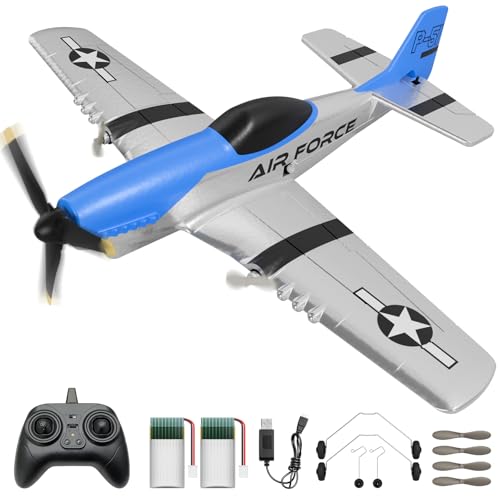
Remote Control Airplane: The Complete Guide to Choosing & Flying RC Planes
From ready-to-fly trainers to high-performance gas-powered models, discover everything you need to know about remote control airplanes. Expert advice for beginners, hobbyists, and seasoned pilots.
START YOUR RC JOURNEY✈️ Why Remote Control Airplanes? Flying an RC airplane combines the thrill of aviation with hands-on craftsmanship and outdoor adventure. Whether you're looking for a relaxing weekend hobby or a competitive edge, the world of radio controlled aircraft offers something for everyone. This guide breaks down model types, control systems, skill requirements, and maintenance essentials so you can take off with confidence.
Understanding Remote Control Airplanes
A remote control airplane is a scaled aircraft operated from the ground via a handheld transmitter. The pilot uses stick inputs to control throttle, rudder, elevator, and ailerons—mirroring the controls of a real plane. Modern RC aircraft range from foam gliders that weigh almost nothing to turbine-powered jets that demand serious skill and investment.
Electric vs. Gas-Powered
Electric RC planes use brushless motors and lithium-polymer batteries for quiet, clean, and low-maintenance flight. Gas-powered models deliver longer flight times and higher speeds, but require fuel handling, engine tuning, and more field equipment.
- Electric: plug-and-fly, minimal cleanup
- Gas/Nitro: extended range, louder, higher maintenance
Trainer, Sport & Scale Models
Trainer planes feature high wings and self-righting tendencies—perfect for learning. Sport models are more aerobatic, while scale models replicate real aircraft in stunning detail, often demanding advanced piloting skills.
- Trainer: stable, forgiving
- Sport: maneuverable, versatile
- Scale: realistic, challenging
Ready-to-Fly vs. Kits
RTF (ready-to-fly) packages include everything you need in one box: aircraft, transmitter, battery, and charger. Kit-built planes require assembly and teach you the inner workings of your model—a rewarding path for tinkerers.
- RTF: instant gratification
- ARF (almost ready to fly): light assembly
- Kit: full build from parts
How to Choose the Right Remote Control Airplane
Your first RC airplane should match your experience level, flying space, and long-term goals. Choosing a model that's too advanced can lead to frustration and crashes. Use the table below to compare tiers and find your starting point.
| Model Tier | Best For | Control Channels | Key Traits |
|---|---|---|---|
| Entry-Level | First-time pilots & casual flyers | 3-channel | Foam construction, high-wing trainer design, slow flight speed, self-leveling assist |
| Mid-Range | Intermediate pilots ready for aerobatics | 4-channel | Brushless motor, aileron control, sporty handling, moderate wind tolerance |
| Premium | Experienced hobbyists & scale enthusiasts | 4+ channels | Scale detailing, retractable landing gear, flaps, high-end electronics, larger wingspan |
Key Features to Evaluate
- Wingspan & weight: Larger wingspans fly more stably but need more space. Smaller planes are nimble and easier to transport.
- Control channels: 3-channel (throttle, rudder, elevator) is beginner-friendly. 4-channel adds ailerons for roll control and sport flying.
- Material: EPP and EPO foam are durable and repairable. Balsa wood and composite airframes offer rigidity but are less forgiving in crashes.
- Battery & flight time: Electric models typically fly 10–20 minutes per charge. Consider spare batteries to extend your session.
- Transmitter compatibility: Some RTF kits include basic transmitters; hobby-grade radios offer model memory, expo settings, and simulator support.
- Repair support: Check whether spare parts—props, wings, landing gear—are readily available for your chosen model.
Flight Essentials: What You Need Beyond the Plane
🛫 Pre-Flight Checklist
Before every flight, inspect your aircraft and field conditions:
- Check control surfaces for free movement
- Verify battery charge and secure connections
- Confirm center of gravity matches the manual
- Inspect propeller and landing gear for damage
- Assess wind speed—avoid gusty conditions as a beginner
📡 Radio & Control Systems
Modern transmitters operate on 2.4 GHz for interference-free control. Many entry-level systems include built-in gyros and SAFE (sensor-assisted flight envelope) technology that helps beginners recover from disorientation.
- 2.4 GHz for reliable signal
- Dual rates and expo for tuning sensitivity
- Telemetry for battery voltage and signal strength
🔋 Battery Care
LiPo batteries require proper handling. Store them at storage voltage, never puncture or overcharge, and always use a fire-resistant charging bag. Rotate batteries to extend their usable life.
- Charge at 1C rate for longevity
- Store at ~3.8V per cell
- Inspect for puffing or damage before use
Remote Control Airplane Pros & Cons
Advantages
- Hands-on STEM learning—aerodynamics, electronics, and weather awareness
- Outdoor activity that builds patience and focus
- Scalable hobby: start with a trainer and progress to advanced models
- Strong community—clubs, flying fields, and online forums
- Repairable foam airframes keep long-term costs in check
Considerations
- Learning curve—crashes are part of the process
- Requires open flying space away from people and obstacles
- Local regulations may require registration or altitude limits
- Battery and electronics care demands attention
- Wind and weather can ground you on short notice
Maintaining Your RC Airplane for Longevity
Consistent maintenance keeps your aircraft flying safely and extends its service life. Foam models are forgiving, but hinges, linkages, and motor mounts still wear over time. Establish a post-flight routine: wipe down the airframe, inspect screws and clevises, and store the plane in a dry, temperature-stable location. For electric models, discharge batteries to storage level if you won't fly within a few days.
If you're exploring other radio controlled categories, our guides on radio controlled cars and RC helicopters cover parallel maintenance principles. For those interested in the broader hobby, radio controlled aircraft overviews provide additional context on market options.
Frequently Asked Questions
A ready-to-fly (RTF) electric trainer with a high-wing design and 3-channel control is the ideal starting point. These planes are stable, slow-flying, and often include gyro stabilization. Look for models with durable foam construction and readily available spare parts. Avoid low-wing sport planes or scale models until you've mastered basic flight.
Most electric RC planes fly for 10 to 20 minutes per battery charge, depending on throttle management and aircraft weight. Gas-powered models can stay aloft longer but require fuel refills and engine maintenance. Carrying multiple batteries is the simplest way to extend your flying session.
Regulations vary by country and region. In many places, recreational RC planes under a certain weight threshold do not require a license, but registration may be mandatory. Always check your local aviation authority's rules before flying, and respect altitude limits and no-fly zones near airports.
Small, slow-flying micro RC planes can work in large backyards, but most hobby-grade aircraft need open space—at least a sports field or designated flying area. Trees, power lines, and fences are common hazards. Joining a local RC club gives you access to safe flying fields and experienced mentors.
RTF (ready-to-fly) includes everything needed in one box—aircraft, transmitter, battery, and charger. ARF (almost ready to fly) requires minor assembly and separate electronics. Kits are full builds from raw materials, teaching construction skills but demanding significant time and tools. Beginners should start with RTF.
Explore More RC & Toy Guides
If you're expanding your radio controlled collection, browse our guides on RC planes for beginners, ready-to-fly RC planes, and gas-powered RC airplanes for adults. For water-capable aircraft, see RC planes that land on water. Younger enthusiasts may enjoy popular toys for 10-year-olds and gifts for 5-year-olds. You can also compare radio control models across categories.