Outdoor Toys for 2-4 Year Olds: The Complete Guide to Active, Safe Play
Toddlers and preschoolers need sunshine, movement, and discovery. This expert guide breaks down the best outdoor toys for 2-4 year olds — from ride-ons and sandboxes to water tables and play sets — so you can choose confidently and safely.
Explore Recommended PicksThe ages of 2 to 4 are a remarkable window of physical and cognitive growth. Between the toddler years and preschool, children transform from wobbly walkers into confident runners, climbers, and explorers. Outdoor toys play a central role in this journey — they build gross motor skills, spark imagination, and create the kind of unstructured play that research consistently links to healthy development. This guide is designed for parents and gift-buyers who already know they want outdoor toys but need clarity on which types suit this age band, what safety features matter, and how to match a toy to a child's stage. By the end, you will understand the landscape well enough to make a confident, informed choice.
Why Outdoor Toys Matter for Ages 2-4
Outdoor play is not simply a break from indoor activities — it is a developmental necessity. At this age, children are refining balance, coordination, and spatial awareness. Outdoor toys give them the space and the tools to practice these skills safely. Ride-on toys build leg strength and steering control. Sand and water play support sensory integration and early science concepts. Climbing and sliding structures develop risk-assessment and confidence. Perhaps most importantly, outdoor toys invite the kind of open-ended, child-led play that nurtures creativity and independence. Parents researching this topic are usually looking for guidance that is practical, safety-conscious, and age-appropriate — exactly what this guide delivers.
The Main Categories of Outdoor Toys for 2-4 Year Olds
Understanding the categories helps you narrow the field quickly. Below are the most relevant types of outdoor toys for this age band, each with a short explanation of what it does and who it suits.
Ride-On Toys & Balance Bikes
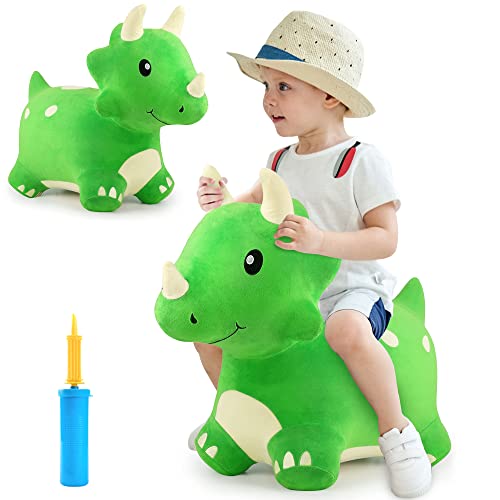
From sit-on push cars to first balance bikes, these toys build leg strength, steering control, and balance. Look for stable bases and a parental handle for younger toddlers. For more on this category, see our guide to outdoor ride-on toys for older kids as a natural next step.
Sand & Water Play Tables
Sandboxes and water tables are staples of toddler outdoor play. They support sensory exploration, fine motor skills, and early math concepts like volume and pouring. Choose models with drainage, covers, and non-toxic materials.
Climbing & Play Structures
Low-height play sets, toddler slides, and small climbing frames build confidence and gross motor skills. For a broader look at outdoor play equipment for 2-5 year olds, our detailed guide covers safety and sizing.
Water Toys & Splash Play
Splash pads, water tables, and small pools are ideal for warm-weather play. For age-specific ideas, explore outdoor water toys for 4 year olds and related guides.
Play Tents & Tunnels
Pop-up tents and crawl tunnels encourage imaginative play and physical movement. They are lightweight, easy to store, and perfect for both indoor and outdoor use.
Sports & Active Toys
Soft balls, toddler basketball hoops, and beginner soccer goals introduce cooperative play and hand-eye coordination. These toys grow with the child and transition well into the preschool years.
How to Choose Outdoor Toys for 2-4 Year Olds
Choosing well comes down to matching the toy to the child's developmental stage, the available outdoor space, and the safety requirements for the age band. The following considerations will help you filter options efficiently.
- Age-appropriate safety labels: Always check the manufacturer's age recommendation and safety warnings. Toys for 2-year-olds should have no small detachable parts that could pose a choking hazard.
- Stability and build quality: Ride-ons and climbing structures should have a wide, stable base. Look for durable construction and reinforced joints rather than lightweight, flimsy frames.
- Material safety: Choose non-toxic, weather-resistant materials. For a deeper dive, our outdoor toys for 1-2 year olds guide discusses material safety for the youngest toddlers.
- Space requirements: Measure your yard or patio before buying large play sets. Small-space-friendly options are available, and our outdoor play equipment for small backyards guide is a useful companion.
- Developmental fit: A 2-year-old needs simple, sturdy toys with low height; a 4-year-old is ready for pedal vehicles, more complex play sets, and interactive water toys.
- Ease of storage and maintenance: Outdoor toys should be easy to clean, drain, and store. Covers for sandboxes and collapsible tents are practical features worth prioritizing.
- Longevity and growth: Some toys, such as adjustable play sets and balance bikes, grow with the child and offer better long-term value within their tier.
Pro tip: If you are shopping for a 3-year-old specifically, our focused guide on outdoor toys for 3 year olds narrows the field further. For a two-year-old, the outdoor toys for two year olds page covers the essentials in more detail.
Comparing Outdoor Toy Tiers: Entry-Level to Premium
Outdoor toys vary widely in build quality, materials, and features. Rather than focusing on numbers, it helps to understand the tiers that describe a product's position in the market. The table below outlines a consistent classification system used throughout this guide.
| Tier | Typical Characteristics | Best For |
|---|---|---|
| Entry-Level / Starter Tier | Simple construction, basic materials, fewer features, lightweight | Families testing a new toy type or limited-space settings |
| Mid-Range / Balanced Tier | Durable construction, better materials, more thoughtful safety features, good value for its tier | Everyday use and the most common choice for most families |
| Premium / Top-Tier | High-grade materials, reinforced joints, weather-resistant coating, feature-rich for its class, long-term investment | Frequent use, multiple children, and long-term outdoor placement |
| Professional-Grade / Commercial-Grade | Heavy-duty build, rust-proof finish, designed for high-traffic or institutional use | Daycares, schools, and shared community spaces |
In practice, a mid-range play set usually offers smoother assembly and more stable footing than an entry-level model, while a premium tier brings refinements in materials and longevity that matter if the toy will stay outdoors year-round. For institutional buyers, our playground equipment for daycare centers guide expands on commercial-grade considerations.
Product-Specific Advice for 2-4 Year Olds
Ride-On Toys
For a 2-year-old, a sit-on push car with a parental handle is ideal — it gives the child a sense of motion while the adult retains control. By 3 or 4, a first balance bike or a foot-to-floor ride-on becomes appropriate. Stability is the single most important feature: look for a low center of gravity and a wide wheelbase. As the child approaches the upper end of this age band, you may want to explore outdoor ride-on toys for 5 year olds to plan the next stage.
Sand & Water Tables
These are among the most versatile outdoor toys for 2-4 year olds. A covered sandbox that doubles as a water table offers two sensory experiences in one footprint. Prioritize models with drainage plugs, rounded edges, and non-toxic finishes. For dedicated water play, our outdoor water toys for 4 year olds article covers splash-friendly options in depth.
Play Sets & Climbing Structures
A toddler slide or a low climbing frame with a small platform is a wonderful confidence-builder. Ensure the structure is anchored and placed over a soft surface. If you are planning a larger backyard setup, the playground sets for backyards guide walks through sizing and safety surfacing. For the preschool years specifically, outdoor playground equipment for preschool is a helpful reference.
Water Toys & Summer Play
Splash pads and small inflatable pools are popular for warm months. Always supervise water play closely and empty pools after use. For seasonal inspiration, see outdoor summer toys for 3 year olds and the companion guide for outdoor summer toys for 4 year olds.
Play Tents & Imaginative Play
Pop-up tents, tunnels, and playhouses encourage role-play and give children a sense of ownership over their outdoor space. These are especially valuable for siblings close in age. If you are considering a more permanent structure, outdoor playhouse options are worth reviewing.
Related Guides on Toy Range
- Outdoor Toys for 2-5 Year Olds
- Outdoor Toys for 3-4 Year Olds
- Outdoor Toys for 3 and 4 Year Olds
- Outdoor Play Toys for 2 Year Olds
- Outdoor Play Toys for 3 Year Olds
- Outdoor Toys for 3 Year Olds
- Outdoor Toys for Two Year Olds
- All Outdoor Toys
- Outdoor Play Equipment for 2-5 Year Olds
- Playground Equipment for 2-5 Year Olds
- Playground Equipment for 3-5 Year Olds
- Outdoor Water Toys for 4 Year Olds
- Outdoor Summer Toys for 3 Year Olds
- Outdoor Summer Toys for 4 Year Olds
- Outdoor Playhouse
- Playsets
Frequently Asked Questions
What are the safest outdoor toys for 2-4 year olds?
The safest options have rounded edges, non-toxic materials, stable bases, and clear age-appropriate safety labels. Ride-on toys with parental handles, low-height play sets, and large water toys without small parts are the safest choices for this age band. Always supervise play and check toys regularly for wear.
How do I choose outdoor toys for a 2-year-old versus a 4-year-old?
For 2-year-olds, choose simple, sturdy toys with large parts and low height — sit-on ride-ons, basic sandbox toys, and soft balls. For 4-year-olds, you can introduce pedal vehicles, more complex play sets, and interactive water toys that encourage coordination and imaginative play. Our guides on outdoor toys for two year olds and outdoor toys for 3 and 4 year olds go deeper.
What outdoor toys help with toddler development?
Ride-ons and balance bikes build gross motor skills and balance. Sand and water tables support sensory development and early math concepts. Climbing structures build confidence and coordination. Play tents and tunnels nurture imaginative and social play. Together, these categories cover the key developmental domains for 2-4 year olds.
How much outdoor space do these toys need?
Many outdoor toys for this age band are compact and small-space-friendly. A sandbox, water table, or toddler slide can fit on a patio or a modest lawn. For tighter spaces, review our outdoor play equipment for small backyards guide. Larger play sets require more room and proper safety surfacing.
Final Thoughts
Choosing outdoor toys for 2-4 year olds is ultimately about matching the right toy to the right stage. Prioritize safety, stability, and material quality; then match the toy type to the child's current abilities and interests. The categories above — ride-ons, sand and water play, climbing structures, water toys, tents, and active sports toys — cover the full range of developmental needs for this age band. With this framework in hand, you can make a confident choice that supports active, joyful, and safe outdoor play for years to come.