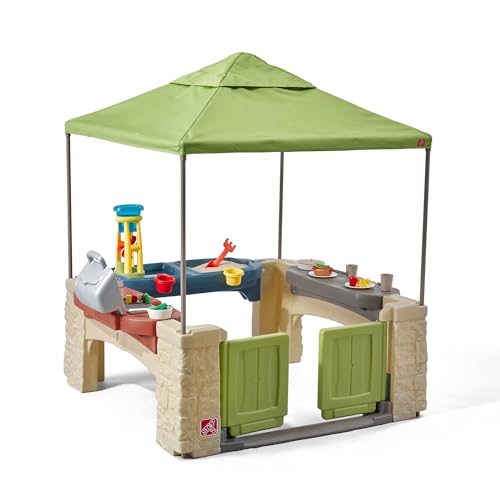
Outdoor Playhouse: The Complete Buyer's Guide for Parents
A backyard playhouse sparks imagination, encourages screen-free outdoor play, and gives children a magical space of their own. This guide walks you through materials, safety, sizing, and the features that matter most so you can choose with confidence.
Why an Outdoor Playhouse Is a Worthwhile Investment
An outdoor playhouse is more than a garden feature; it is a dedicated world where children exercise creativity, build social skills, and develop independence. Unlike single-use toys, a well-chosen playhouse becomes a multi-season anchor for pretend play, reading nooks, and neighborhood adventures. Parents researching this category already know what they want, so the goal here is to clarify which type, material, and tier fit their family best.
Beyond fun, a playhouse supports developmental milestones. Role-play inside a playhouse strengthens language and negotiation skills, while physical entry, exit, and moving around the structure builds coordination. For families who want a lasting addition to the backyard, a well-designed playscape and a quality playhouse can be combined into a complete outdoor play zone.
Materials: Wood, Plastic, or Composite?
The material of your playhouse determines durability, maintenance, aesthetics, and long-term performance. The three main categories each serve a distinct type of buyer.
Wooden Playhouses
Wood is the classic choice and the most popular for families planning a long-term backyard fixture. Cedar and fir are top-tier options because they resist rot naturally and weather gracefully. A premium wooden playhouse with reinforced framing and weather-resistant coating can serve multiple children across a decade. Wooden models often feature painted finishes and are the most customizable for DIY personalization. They require periodic sealing or repainting to maintain their finish, making them a worthwhile investment for families who enjoy a natural aesthetic.
Plastic Playhouses
High-density plastic playhouses are the low-maintenance champions. They resist moisture, are easy to wipe clean, and typically ship fully assembled or with minimal setup. Commercial-grade plastic models are sturdy enough for daycare or shared-family use, while entry-level plastic playhouses are ideal for toddlers making their first transition into the backyard. Plastic is generally lighter and easier to relocate, making it a solid choice for renters or families who rearrange their outdoor space seasonally.
Composite and Hybrid Materials
Composite playhouses blend wood fiber with resin to combine the look of timber with improved weather resistance. These mid-range to high-end tier options are a balanced choice for families who want wood aesthetics without frequent maintenance. Composite materials resist cracking, splintering, and insect damage, making them a smart long-term purchase in humid or rainy climates.
Quick tip: If your child is still a toddler, a starter-tier plastic or composite playhouse is often the practical first step. Older children typically graduate to a premium wooden playhouse with lofts, windows, and working doors.
Safety First: What to Check Before You Buy
Safety is the single most important factor when selecting an outdoor playhouse. Use this checklist before finalizing any model.
- Rounded edges and smooth finishes: Inspect for sharp corners, exposed hardware, and pinch points, especially around doors and windows.
- Non-toxic finishes: Confirm that paints and stains are child-safe and low in volatile organic compounds.
- Stable anchoring: The playhouse should be anchored to the ground or a solid base to prevent tipping in wind or during active play.
- Level placement: Install on flat, stable terrain away from slopes, pools, and driveways. Consider impact-absorbing surfacing beneath climbing features.
- Age-appropriate labeling: Respect manufacturer age recommendations. Toddler-oriented playhouses prioritize low entry heights and rounded interiors, while older-kid models may include ladders and lofts that demand closer supervision.
- Ventilation: Ensure windows or vents provide airflow, particularly in enclosed designs used during warmer months.
For families building a fuller backyard play area, reviewing playground safety surfacing options is a smart next step to protect children around climbing frames and slides that may accompany the playhouse.
Choosing the Right Size for Your Backyard
Size is where many buyers second-guess themselves. The right playhouse footprint depends on available space, the child's age, and how many children will play at once.
| Tier |
Best For |
Typical Footprint |
| Essential tier |
Toddlers, compact patios, first playhouse |
Small single-room designs |
| Balanced tier |
Preschoolers and early school age, average yards |
Single room with a small porch or bench |
| High-end tier |
Multiple children, spacious gardens, long-term use |
Multi-room, loft, or elevated designs |
Always leave clearance of at least a few feet on all sides for safe entry, exit, and maintenance. If your yard is small, a compact playhouse combined with outdoor play equipment for small backyards lets you build a rich play environment without overwhelming the space.
Features That Add Long-Term Play Value
Once material and size are settled, features determine how often the playhouse gets used. The most valuable additions include:
- Working doors and windows: These simple elements dramatically increase pretend-play scenarios.
- A porch or bench area: Extends the playhouse into a social hub for siblings and friends.
- Loft or elevated platform: Adds vertical interest for older kids and supports imaginative "castle" or "treehouse" play.
- Weatherproof roof: A proper roof extends usable seasons and protects interior features.
- Easy-clean interior: Smooth, wipeable surfaces make upkeep simple after messy play sessions.
Families planning a broader backyard upgrade often pair a playhouse with complementary structures. A complete playground set alongside the playhouse creates distinct zones for quiet pretend play and active climbing.
Placement and Backyard Integration Tips
Where you place the playhouse matters as much as the model you choose. Consider these practical guidelines:
- Position the playhouse within clear sightlines from your home for easy supervision.
- Choose a spot with partial shade to keep interior surfaces comfortable on hot days.
- Avoid low-lying areas that collect water after rain.
- Keep a safe distance from fences, trees, and hard landscaping edges.
- Anchor securely on a flat base; a small deck or gravel pad improves drainage and stability.
If you are building a full outdoor play area, coordinating the playhouse with residential playground equipment creates a cohesive backyard destination that grows with your children.
Age-by-Age Playhouse Considerations
Children use playhouses differently at each stage. Matching the design to developmental needs maximizes play value.
Toddlers and Preschoolers
Younger children benefit from low entry heights, simple layouts, and rounded interiors. Starter-tier plastic or composite playhouses are ideal here. Combining the playhouse with outdoor toys for 3-year-olds creates a balanced play routine that alternates between quiet pretend play and active movement.
School-Age Children
Older kids gravitate toward playhouses with lofts, working windows, and themed designs. A premium wooden playhouse with a porch or elevated platform supports more complex social play. Families with children in this range often explore outdoor playhouse options for 8-10 year-olds that include clubhouse-style features.
Final Buying Checklist
Before you commit, run through this concise checklist to confirm your choice:
- Material matches your climate and maintenance preference.
- Footprint fits your yard with safe clearance on all sides.
- Safety features — rounded edges, non-toxic finish, stable anchoring — are confirmed.
- Features align with your child's age and play style.
- Assembly requirements are manageable for your household.
- The design leaves room for your child to grow into it.
For a deeper look at complementary backyard structures, browse our full collection of outdoor toys and playsets to complete your play space.
Frequently Asked Questions
What is the best material for an outdoor playhouse?
Wood is the most popular choice for long-term durability and natural aesthetics, while high-density plastic offers low maintenance and weather resistance. Cedar and fir are top-tier wooden options, while commercial-grade plastic playhouses suit families seeking minimal upkeep.
How do I keep an outdoor playhouse safe for my child?
Ensure the playhouse has rounded edges, non-toxic finishes, and sturdy construction. Anchor the structure securely to the ground, place it on level terrain, and supervise young children during play. Check for age-appropriate safety labels and avoid models with sharp hardware or pinch points.
What size outdoor playhouse should I choose?
Match the playhouse footprint to your available backyard space and your child's age. Starter-tier models suit toddlers and compact yards, while high-end tier playhouses with multiple rooms and lofts work well for older kids and spacious gardens. Always leave clearance around the structure for safe play.