Outdoor Playset: The Complete Guide to Backyard Fun
Transform your backyard into a world of adventure. Discover how to choose the right outdoor playset for your family, with expert safety tips, material comparisons, and features that grow with your child.
🌳 Why an Outdoor Playset? An outdoor playset is more than just a backyard accessory — it's a gateway to physical activity, imaginative play, and healthy development. From climbing walls and swing sets to slides and sandboxes, a well-chosen playset encourages kids to step away from screens and embrace active, unstructured play. This guide walks you through everything you need to know before making your decision, from material selection to safety standards.
Types of Outdoor Playsets
Not all playsets are created equal. The right choice depends on your available space, your child's age and interests, and how many years of use you expect. Here's a breakdown of the most common configurations:
Swing Sets
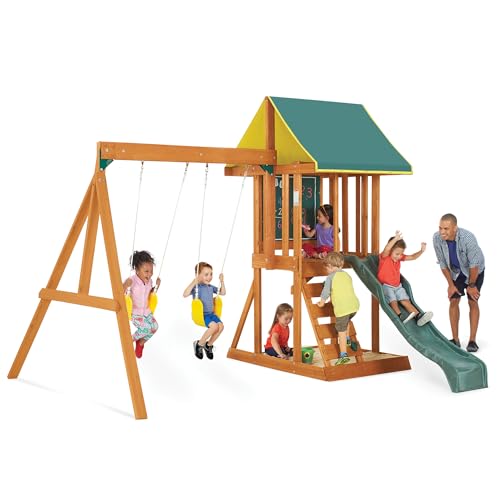
Classic A-frame or swing beam structures with one or more swing positions. Often the foundation of a larger playset and ideal for toddlers through school-age children.
Climbing Frames
Structures with climbing walls, cargo nets, ladders, or rock holds. Perfect for building strength, coordination, and confidence in school-age kids.
Slide & Play Centers
Combined units featuring slides, platforms, and often a playhouse or sandbox underneath. A versatile choice for families with multiple children.
Playhouses & Forts
Imaginative play structures that double as hidden retreats. Great for toddlers and preschoolers who love pretend play.
Wooden Playsets
Traditional cedar or redwood structures that blend naturally into the yard. Modular designs allow you to add accessories over time.
Metal Playsets
Steel-framed swing sets and climbers. Typically lighter and easier to relocate, with a focus on heavy-duty construction and weather resistance.
Many families start with a monkey bar adventure swing set for younger children and expand with add-on modules as kids grow. For those exploring broader backyard options, browse our full collection of outdoor playsets and residential playground equipment.
Materials & Durability
The material of your playset determines its lifespan, maintenance requirements, and how well it handles the elements. Here's how the main options compare:
Wooden Playsets
Cedar and redwood are the most common choices because they naturally resist rot and insects. Premium materials like cedar offer excellent longevity when sealed and maintained. Look for playsets with weather-resistant coating and rust-proof finish on all hardware. Wooden sets blend into garden landscapes and can be stained or painted to match your outdoor decor.
- Pros: Natural look, modular expansion, good insulation from heat, repairable
- Cons: Requires periodic sealing, can splinter if neglected, heavier to assemble
Metal Playsets
Steel and aluminum frames with high-grade steel construction are the go-to for families prioritizing low maintenance. Heavy-duty powder-coated finishes resist rust and fading. Metal sets are generally easier to relocate and often feature modular swing beam designs.
- Pros: Low maintenance, long lifespan, easy to clean, sturdy under heavy use
- Cons: Can get hot in direct sun, less customizable, may show scratches over time
Plastic & Composite Playsets
High-density polyethylene (HDPE) and composite materials offer a middle ground. These sets are lightweight, don't splinter, and require virtually no maintenance. They're an excellent starter tier option for toddlers and younger children.
💡 Pro Tip: Regardless of material, always check that the playset uses reinforced joints and hardware. The connection points are where most wear and safety issues occur over time.
Quality Tiers Explained
To help you compare playsets without getting lost in specifications, we use a consistent tier system based on construction quality and feature set. This is a relative classification — each tier represents a different balance of durability and functionality.
| Tier | Best For | Typical Characteristics |
|---|---|---|
| Starter Tier | First playset, toddlers, smaller yards | Compact footprint, basic swing and slide combos, lightweight frames, simpler assembly |
| Essential Tier | Growing families, everyday backyard use | Solid wood or steel construction, multiple play stations, moderate footprint, good weather resistance |
| Mid-Range Tier | School-age kids, multi-child households | Heavy-duty frames, climbing walls, larger platforms, modular expansion options, premium hardware |
| High-End Tier | Long-term backyard investment | Premium cedar or commercial-grade steel, multi-level designs, integrated playhouse or fort, extensive accessories |
| Top-Tier / Commercial-Grade | Large families, heavy daily use | Reinforced construction, multi-tower configurations, commercial playground standards, maximum lifespan |
As a general rule, mid-range tier models typically offer a smoother balance of durability and expandability compared to entry-level options, while top-tier playsets are built for years of intensive use. For families just starting out, an essential tier playset often provides the best foundation before adding accessories.
Key Features to Look For
When evaluating an outdoor playset, these are the features that matter most for long-term satisfaction:
Structural Integrity
- Reinforced joints — Look for metal brackets at stress points rather than relying on screws alone
- Solid build — Thicker beams and posts translate to less wobble and longer lifespan
- Weather-resistant coating — Essential for both wood and metal frames
Play Value
- Multiple activity stations — Swings, slides, climbing elements, and lookout platforms keep kids engaged longer
- Modular design — Allows you to add accessories like climbing toys or a sandbox as your child grows
- Age-appropriate complexity — Younger children need lower platforms and safer slides; older kids need challenge
Footprint & Installation
- Clearance zones — Most manufacturers require a safety perimeter around the structure
- Ground anchoring — Essential for stability, especially on uneven lawns
- Assembly complexity — Higher-tier sets often take longer to assemble but reward with sturdier results
💡 Pro Tip: If your children enjoy water play in summer, consider placing the playset near a detachable pool water slide or bounce house to create a full backyard entertainment zone.
Safety Standards & Installation
Safety should be your top priority when selecting and installing an outdoor playset. Here's what to verify:
Age & Weight Ratings
Every playset has a maximum user weight and recommended age range. Never exceed these limits — they are based on structural engineering, not marketing. Check that each accessory (swing, slide, climbing wall) has its own rating.
Surface & Fall Zones
According to playground safety guidelines, you need a shock-absorbing surface beneath and around the playset. Options include:
- Rubber mulch or shredded rubber
- Engineered wood fibers
- Sand or pea gravel (with proper depth)
- Rubberized tiles or foam play mats for smaller setups
⚠️ Important: Grass and dirt are NOT adequate shock-absorbing surfaces. A fall from even a modest height onto hard ground can cause serious injury. Always install a proper safety surface before allowing children to play.
Installation Best Practices
- Anchor the playset to the ground using the manufacturer's recommended anchoring system
- Assemble on level ground to prevent tipping and uneven wear
- Check all hardware after assembly and re-tighten after the first week of use
- Keep the playset away from fences, trees, and overhead obstacles
- Inspect regularly for loose bolts, worn swing chains, and splintering wood
For younger children, combine your playset with outdoor toys for 6-year-olds and ride-on toys to create a complete active play environment.
Age-Appropriate Choices
Children's physical abilities change rapidly, so choose a playset that matches their current stage — or one that can adapt.
Toddlers (1–3 years)
Focus on low platforms, gentle slides, and bucket swings. Starter tier playsets with enclosed play areas and simple climbing steps are ideal. Always supervise closely and ensure fall zones are properly cushioned.
Preschoolers (3–5 years)
This is the sweet spot for a first real playset. Look for essential tier models with a slide, two swing positions, and a small climbing element. Kids this age are developing coordination and love repetitive motion like swinging.
School-Age Kids (6–12 years)
Older children need more challenge. Mid-range and high-end tier playsets with climbing walls, monkey bars, cargo nets, and elevated platforms keep them engaged. Many families add a climbing frame or modular playset extension at this stage.
If you're also shopping for other age groups, explore our guides on toys for 2-year-olds, toys for 4-year-old boys, outdoor toys for 6-year-olds, and toys for seven-year-olds.
Maintenance & Longevity
A quality outdoor playset is a long-term investment in your family's backyard. With proper care, a well-built wooden or metal playset can last a decade or more.
Seasonal Maintenance Checklist
- Spring: Inspect for winter damage, tighten all hardware, apply a fresh coat of sealant to wooden sets
- Summer: Check swing chains and ropes for fraying, clean slides and platforms
- Fall: Clear fallen leaves from platforms and slides, check for rust spots on metal sets
- Winter: Cover or store removable accessories, check anchoring before frost
Extending Play Value
Add-ons are a smart way to keep a playset relevant as children grow. Popular additions include:
- Steering wheels and telescope accessories
- Sandbox inserts and sensory play stations
- Additional swing positions for siblings or friends
- Shade canopies for sunny climates
For families who want to expand outdoor play beyond the playset, explore residential playground equipment and family board games for rainy days.
Ready to Start Your Backyard Adventure?
Compare top-rated outdoor playsets side by side. Our curated selection highlights the best options across every tier, from starter sets to commercial-grade configurations.
View Top Playset Picks →Frequently Asked Questions
How much space do I need for an outdoor playset?
The required footprint varies by design. As a rule of thumb, add at least 6 feet of clearance on all sides of the structure for safety. A standard swing-and-slide combo typically needs a 20 x 20 ft area, while compact starter sets can fit into a 12 x 12 ft zone. Always check the manufacturer's recommended safety perimeter before installation.
Wood or metal — which playset lasts longer?
Both can last many years with proper care. Premium cedar wooden playsets with regular sealing can last 10–15 years or more, while high-grade steel sets with powder-coated finishes are virtually maintenance-free and can match that lifespan. The key factor is durable construction and the quality of hardware, not just the base material.
Can I install a playset on artificial turf?
Yes, but artificial turf alone does not provide adequate shock absorption for falls. You'll need to install a proper safety surface beneath the playset area, or choose a playset designed for low heights. Always consult the playset's safety documentation for specific surface requirements.
How long does assembly usually take?
Assembly time depends on the tier and complexity. A starter tier set with basic swings and a slide can typically be assembled by two adults in a few hours. High-end tier multi-station playsets with climbing walls, towers, and playhouse components may take a full weekend or require professional installation. Always follow the manufacturer's instructions and have the necessary tools on hand.
What is the best age to introduce a climbing playset?
Most children are ready for a low climbing element around age 3–4, with close supervision. By age 6–8, they can handle taller climbing walls and monkey bars. Look for playsets with adjustable or modular features so the challenge level can grow with your child. Browse climbing toys for 8-year-olds for ideas on age-appropriate challenges.
How do I protect a wooden playset from weather damage?
Apply a water-repellent sealant or stain every 1–2 years, depending on your climate. Check for signs of rot or insect damage during seasonal inspections. Ensure all hardware remains rust-proof and replace any worn bolts or brackets promptly. Keeping the playset clear of standing water and debris will also extend its lifespan significantly.
🔗 Related Guides & Products
- Outdoor Playsets Collection
- Residential Playground Equipment
- Monkey Bar Adventure Swing Set
- Climbing Toys for 8-Year-Olds
- Outdoor Toys for 6-Year-Olds
- Ride-On Toys for 8-Year-Olds
- Blow-Up Bounce House
- Inflatable Water Slide with Detachable Pool
- Foam Play Mat
- Essential Tier Toys
- Age-Appropriate Toys for 2-Year-Olds
- Family Board Games