Outdoor Play Equipment for 7 Year Olds
A complete buying guide to swing sets, climbing frames, trampolines, and active backyard gear that match the energy, skill level, and safety needs of a seven-year-old.
🌳 Why this guide matters: Seven-year-olds are in a golden phase of physical development. They have mastered basic coordination, crave challenge, and thrive on active outdoor play. Choosing the right outdoor play equipment at this stage supports gross motor skills, confidence, and healthy habits. This guide walks you through the main equipment categories, what to look for in each, and how to match gear to a seven-year-old's abilities — so you can make a confident, well-informed purchase decision.
What Makes Great Outdoor Play Equipment for a 7-Year-Old?
By age seven, children have usually outgrown toddler-scale gear. They need equipment that offers genuine physical challenge while remaining safe for independent play with light supervision. Key considerations include:
- Height and scale: Equipment should be sized for a child roughly 115–130 cm tall, with reachable handholds and appropriate platform heights.
- Challenge without risk: Climbing elements that require problem-solving and strength, but with guardrails and safe fall zones.
- Durability: Weather-resistant coatings, rust-proof finishes, and heavy-duty joints that withstand daily outdoor exposure.
- Versatility: Multi-activity structures (swing + slide + climb) keep a seven-year-old engaged longer than single-purpose gear.
- Safety surfacing: Adequate shock-absorbing ground cover beneath elevated structures is essential.
Main Types of Outdoor Play Equipment for 7-Year-Olds
The best backyard setup for a seven-year-old usually combines two or three complementary pieces. Here are the core categories, each described with a market-tier descriptor rather than specific figures, so the guidance stays useful over time.
Wooden Swing Sets & Playsets
The classic backyard anchor. Look for solid wood construction (cedar or pressure-treated pine), A-frame stability, and a mix of swing, slide, and climbing elements. Mid-tier sets often add a fort platform and monkey bars.
Metal Climbing Frames
Heavy-duty steel frames with powder-coated, rust-proof finishes. These offer excellent longevity and can include climbing walls, cargo nets, and slide attachments. High-end tier models often feature modular expansion.
Backyard Trampolines
A seven-year-old's favorite energy burner. Prioritize enclosure netting, reinforced jumping mats, and sturdy leg frames. Mid-tier round trampolines with safety enclosures are the most popular configuration for this age.
Climbing Frames & Geodesic Domes
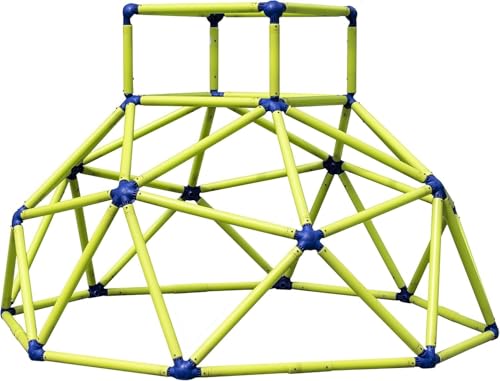
Compact alternatives for smaller yards. Climbing domes and A-frame climbers build strength and balance. Many are rated for ages 3–10, making them a solid choice for a seven-year-old.
Playhouses & Play Tents
Encourage imaginative outdoor play. At seven, children enjoy playhouses with windows, doors, and sometimes a small slide or sandbox attachment. Weather-resistant plastic or wood options work well.
Active Play & Sports Gear
Basketball hoops, soccer goals, balance boards, and obstacle-course kits. These support skill development and friendly competition. Many are adjustable as the child grows.
Quick Comparison: Which Type Fits Your Backyard?
| Equipment Type | Market Tier | Best For | Space Needed |
|---|---|---|---|
| Wooden Swing Set | Essential Tier – Mid-Tier | Families wanting a long-term backyard anchor | Medium to large |
| Metal Climbing Frame | Mid-Range – Premium | Durability and modular climbing challenges | Medium |
| Trampoline | Balanced Tier | High-energy play and coordination building | Medium (round) to large (rectangular) |
| Climbing Dome | Starter Tier – Mid-Tier | Compact yards and versatile climbing play | Small to medium |
| Playhouse | Mid-Range | Imaginative and quiet outdoor play | Small to medium |
| Sports & Active Gear | Entry-Level – Premium | Skill development and group play | Small to large (varies) |
If your yard is on the smaller side, our guide to outdoor play equipment for small backyards covers compact alternatives in more depth. For a wider overview of playground-style structures, explore our playground sets for backyards resource.
Detailed Buying Advice by Equipment Type
1. Swing Sets and Playsets
Swing sets remain the most popular backyard investment for seven-year-olds. Look for A-frame or A-frame-with-fort designs, galvanized hardware, and swing seats rated for at least 45 kg. Mid-tier wooden playsets often include a climbing wall, a slide, and a platform with guardrails. Premium sets may add monkey bars and tube slides. A seven-year-old can typically handle a 2.4–3 m slide and a climbing wall with handholds. Our playset with monkey bars and tube slide guide explores advanced configurations.
2. Climbing Frames and Climbers
Climbing is a core developmental activity at age seven. Metal climbing frames with powder-coated, rust-proof finishes offer excellent weather resistance. Wooden A-frame climbers are a good entry-level option and can often be combined with a swing attachment. Geodesic climbing domes are space-efficient and suit children through age ten. When choosing, verify that the frame's weight rating exceeds your child's weight with a comfortable margin.
3. Trampolines
A trampoline is the single most effective piece of equipment for burning a seven-year-old's energy. Safety is paramount: choose a model with a full enclosure net, a reinforced jumping mat, and a frame rated well above the child's weight. Round trampolines are the most common family configuration; rectangular models suit multiple jumpers. Ensure the trampoline sits on level ground and consider a shock-absorbing mat or turf beneath it.
4. Playhouses and Imaginative Structures
Not every seven-year-old wants to climb and jump constantly. A playhouse provides a quieter outlet for imaginative play, and many models include a small slide or sandbox. Wooden playhouses with weather-resistant finishes last for years and can be repainted. Plastic playhouses are lighter and easier to relocate. See our outdoor playhouse overview for design considerations.
5. Sports and Active Gear
Basketball hoops with adjustable height, soccer goals, balance boards, and obstacle-course kits all support a seven-year-old's growing coordination. Many sports items are adjustable, letting the equipment grow with the child. These pieces are often the most versatile in terms of group play and are easy to store when not in use.
⚠️ Safety Checklist Before You Buy
- Check the manufacturer's age and weight ratings — seven-year-olds vary widely in size.
- Ensure at least 1.8 m of clearance around swings and slides, and a safe fall zone beneath climbing structures.
- Use shock-absorbing surfacing (rubber mulch, wood chips, or mats) under elevated equipment.
- Inspect hardware, bolts, and joints regularly, especially after storms.
- Anchor trampolines and swing sets to prevent tipping in high winds.
- Supervise play and teach children to use equipment as intended — no standing on swings, no jumping off moving parts.
Matching Equipment to Your Space and Market Tier
Outdoor play equipment spans a wide range of market tiers. Entry-level and essential-tier options are typically simpler structures with fewer attachments, while mid-range and premium tiers offer heavier-duty frames, modular expansion, and longer warranties. Here is a relative comparison to help you decide:
- Starter tier: Simple climbing domes, basic playhouses, and single-purpose sports gear. Well-specified for the category and a solid choice for a first outdoor setup.
- Balanced tier: Mid-size trampolines with enclosures and entry-level swing sets. Good value for its tier and a popular choice for a seven-year-old's primary equipment.
- Mid-range: Wooden playsets with multiple activity stations and metal climbing frames with slides. Feature-rich for its class and built for daily use.
- Premium and high-end tier: Modular wooden playsets, heavy-duty steel climbing frames, and large trampolines. Long-term investments with durable construction and premium materials.
A mid-range swing set or trampoline often delivers the best balance of durability and features for a seven-year-old. If you are comparing brands, look at outdoor playground equipment for residential use for guidance on home-scale structures.
Explore Related Age-Specific Guides
Every child develops at their own pace. If your seven-year-old is small for their age or you are shopping for a sibling, these guides may help:
- Outdoor toys for 5–7 year olds — a transitional range for younger or smaller children.
- Outdoor toys for 7–10 year olds — gear that grows with your child.
- Outdoor toys for 6–8 year olds — a broad cross-section of active play ideas.
- Outdoor play equipment for 8-year-olds — the next step up in challenge and scale.
- Outdoor playscapes — inspiration for designing a complete backyard play space.
Ready to Build the Perfect Backyard Play Zone?
Use the expert guidance above to choose equipment that matches your seven-year-old's energy, your yard's space, and your long-term plans. Then explore curated options below.
Explore Equipment OptionsFrequently Asked Questions
What type of outdoor play equipment is best for a 7-year-old?
The best choice depends on your space and your child's preferences. A combination of a swing set or climbing frame for active challenge and a trampoline or sports gear for energy release covers most seven-year-olds well. Multi-activity playsets are the most engaging single investment.
Is a trampoline safe for a 7-year-old?
Yes, with proper precautions: choose a model with a full enclosure net, place it on level ground, ensure it is anchored, and supervise jumping. One jumper at a time is the safest rule. Check the weight rating and inspect the mat and springs regularly.
How much space do I need for a swing set?
A basic A-frame swing set needs a clear area of roughly 3 m × 4 m, plus a safe fall zone. Larger playsets with slides and climbing walls require more room. Always follow the manufacturer's clearance recommendations and leave at least 1.8 m around moving parts.
Should I choose wood or metal climbing equipment?
Wood offers a natural look and can be repainted, while metal frames with powder-coated, rust-proof finishes are highly durable and low-maintenance. Both are excellent choices — the decision often comes down to design preference and the specific features you want.
What safety surfacing should I use under outdoor play equipment?
Rubber mulch, wood chips, and shock-absorbing mats are common choices. They should be deep enough to cushion a fall from the highest platform. Grass and concrete are not recommended beneath elevated structures. See our guide to playground safety surfacing for more detail.