Non-Toxic Toys for 6 Month Old: A Complete Safety and Play Guide
At six months, your baby is on a mission of discovery—and that mission almost always involves their mouth. Choosing non-toxic toys is one of the most important steps you can take to ensure their playtime is both safe and stimulating. This guide breaks down what "non-toxic" really means, which materials to trust, and how to select toys that support your baby's development without exposing them to harmful chemicals.
Why Non-Toxic Toys Matter at Six Months
Six-month-olds are in the thick of oral exploration. Everything they can grasp goes straight to their mouth. This is a completely normal and necessary stage of development—it's how they learn about texture, taste, and the physical properties of objects. However, it also means that any chemicals present in a toy can be ingested.
During this period, your baby is also beginning to sit up, reach for objects with more precision, and explore cause-and-effect relationships. Toys that are safe, durable, and developmentally appropriate are essential. The last thing you want to worry about is whether a teething ring contains lead or a soft block is coated in a harmful finish.
Choosing non-toxic toys is an investment in your child's health. It reduces exposure to endocrine-disrupting chemicals, heavy metals, and other toxins that can have long-term effects. For more ideas on safe, engaging options, you can explore guides on motor skill toys for 6-month-olds that are designed with safety in mind.
The Best Non-Toxic Materials for Six-Month-Old Toys
The material is the foundation of a non-toxic toy. Here are the ones you can feel confident about:
Food-Grade Silicone
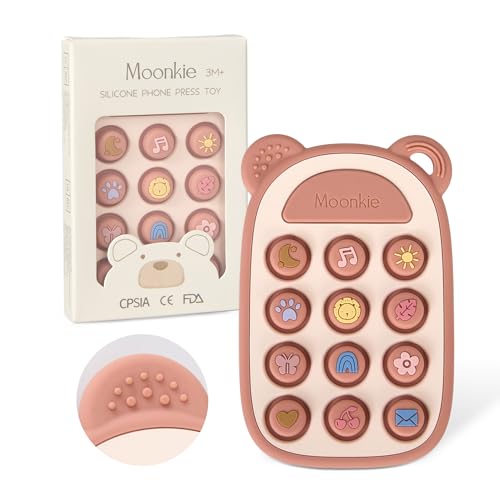
Silicone is soft, flexible, and free from BPA, phthalates, and lead. Food-grade silicone is safe for teething and is easy to clean. It's an excellent choice for teethers, teething necklaces, and soft building blocks. Look for products that are explicitly labeled as food-grade and are free from fillers.
Natural, Untreated Wood
Solid wood is durable, naturally antibacterial, and has a warm, tactile feel that babies love. The key is to ensure the wood is untreated or finished with a non-toxic, water-based sealant or beeswax. Avoid painted or varnished woods unless the manufacturer explicitly states they use non-toxic paints. Wooden rattles, teethers, and simple stacking toys are excellent options.
Organic Cotton and Non-Toxic Fabrics
For soft toys, plush animals, and fabric books, organic cotton is a top choice. It's grown without harmful pesticides and is often dyed with low-impact, non-toxic dyes. Be cautious with synthetic fabrics and conventional cotton, as they may be treated with flame retardants or other chemicals. Certification like OEKO-TEX Standard 100 can help verify safety.
BPA-Free and Phthalate-Free Plastics
While plastic is not a natural material, many modern toys use safe, BPA-free, and phthalate-free plastics. These are durable and easy to sanitize. When choosing plastic toys, look for those labeled as "BPA-free" and "phthalate-free." Avoid soft PVC plastics, which often contain phthalates. For more options, consider learning toys for 1-2 year olds as your baby grows, many of which are made from these safer plastics.
Harmful Chemicals to Avoid in Baby Toys
Being an informed parent means knowing what to look out for. Steer clear of toys that contain or are made with:
- BPA (Bisphenol A): An endocrine disruptor often found in older hard plastics.
- Phthalates: Used to soften plastics, these are linked to reproductive and developmental issues. Often found in soft PVC toys.
- Lead and Heavy Metals: Sometimes present in paints and cheaper metal or plastic components.
- Formaldehyde: Can be found in some wood composites and textiles.
- Flame Retardants: Sometimes applied to fabrics and foams.
Avoid toys with strong chemical smells, and be wary of very soft, squishy plastics that are not explicitly labeled as phthalate-free. The good news is that reputable manufacturers are increasingly transparent about their materials.
Key Safety Certifications to Look For
Certifications provide third-party verification that a product meets specific safety standards. When shopping for non-toxic toys, look for these seals:
- GREENGUARD Gold: Certifies that a product has low chemical emissions, making it safer for indoor environments.
- OEKO-TEX Standard 100: Ensures textiles are free from harmful substances.
- FDA Approval (for silicone): Indicates the silicone is food-grade and safe for oral contact.
- ASTM F963: The standard consumer safety specification for toy safety in the U.S.
- EN71: The European toy safety standard, which includes strict limits on heavy metals and other toxins.
While not all safe toys carry a certification, their presence is a strong indicator of a manufacturer's commitment to safety.
Toys That Support Your Six-Month-Old's Development
The best non-toxic toys are also the ones that match your baby's developmental stage. At six months, babies are working on:
- Fine Motor Skills: Reaching, grasping, and transferring objects from hand to hand.
- Sensory Exploration: Exploring different textures, sounds, and sights.
- Cause and Effect: Understanding that their actions can make things happen (e.g., shaking a rattle makes noise).
- Sitting Up: Toys that encourage reaching while sitting help build core strength.
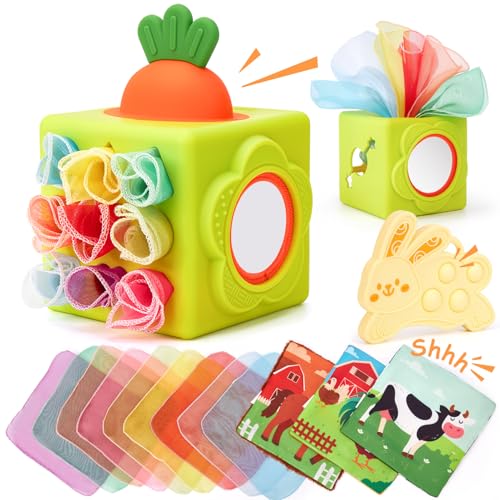
Good choices include soft blocks, textured balls, simple rattles, teethers, and board books with high-contrast images. These toys are often made from the safe materials discussed above and are designed to be mouth-friendly. For more inspiration, see our guide to learning toys for 4-year-olds to plan ahead, or explore light-up toys for 3-month-olds for younger siblings.
How to Select Toys: A Tiered Approach
To help you prioritize, we've categorized non-toxic toys into tiers based on material quality and construction. This isn't about cost—it's about the level of safety assurance and craftsmanship.
Key Takeaways
- Prioritize materials: Food-grade silicone, natural wood, and organic cotton are your safest bets.
- Check certifications: Look for GREENGUARD Gold, OEKO-TEX, or FDA approval.
- Avoid known toxins: Steer clear of BPA, phthalates, lead, and formaldehyde.
- Match developmental stage: Choose toys that support grasping, sensory play, and cause-and-effect learning.
- When in doubt, ask: Contact the manufacturer if material safety information is unclear.
Essential Tier: Safe and Reliable
Essential These toys are made from BPA-free and phthalate-free plastics or simple fabrics. They meet basic safety standards and are a solid choice for everyday play. They may not have third-party certifications but are free from the most harmful chemicals.
Balanced Tier: Enhanced Safety and Durability
Balanced Toys in this tier use materials like food-grade silicone, untreated wood, or organic cotton. They often carry certifications like OEKO-TEX or are explicitly labeled as non-toxic. They offer a higher level of assurance and are designed to be more durable.
Premium Tier: Top-of-the-Line Safety and Craftsmanship
Premium These toys are crafted with the highest quality non-toxic materials, often with multiple certifications (e.g., GREENGUARD Gold and OEKO-TEX). They feature thoughtful design, superior durability, and a focus on developmental benefits. They are an excellent long-term investment for health-conscious families.
For families looking to invest in the safest possible options, the premium tier offers the most comprehensive assurance. As your child grows, you can continue to prioritize safety with toys like learning toys for 8-10 year-olds.
Frequently Asked Questions
What does "non-toxic" mean for baby toys?
Non-toxic toys are free from harmful chemicals like BPA, phthalates, lead, and heavy metals. They are made with materials that are safe even if a baby puts them in their mouth, which is a primary way 6-month-olds explore.
What are the best materials for non-toxic toys for a 6-month-old?
The best materials are natural, untreated wood, food-grade silicone, organic cotton, and fabrics with non-toxic dyes. These materials are durable, safe for teething, and free from harmful chemicals.
Are wooden toys always non-toxic?
Not always. While solid wood is a great natural material, the finishes and paints used on it can contain toxins. Always look for toys finished with water-based, non-toxic paints, oils, or beeswax.
How can I verify a toy is non-toxic?
Look for certifications from reputable organizations like GREENGUARD Gold, OEKO-TEX for textiles, or FDA approval for silicone. These certifications indicate the product has been tested for low chemical emissions and safety.
Final Thoughts
Choosing non-toxic toys for your six-month-old doesn't have to be overwhelming. By focusing on safe materials, checking for certifications, and avoiding known harmful chemicals, you can create a play environment that is both stimulating and safe. Remember that your baby learns through play, and every safe toy is an opportunity for healthy development. For more guidance on age-appropriate toys, explore our resources on most popular toys for 2-year-olds and beyond as your child continues to grow.