Most Popular Toys for 2 Year Olds: The Complete Parent Guide
Two-year-olds are natural explorers. Their world is expanding fast, and the right toys can turn everyday play into powerful learning. This expert guide breaks down the most popular toys for 2 year olds, what makes them developmentally valuable, and how to choose with confidence.
Explore Top-Rated PicksUnderstanding the 2-Year-Old Play Profile
Before choosing toys, it helps to understand how a two-year-old actually plays. At this stage, children are transitioning from parallel play — playing alongside others — toward more interactive and imaginative play. They are also developing a strong sense of independence. Toys that encourage self-directed exploration, cause-and-effect discovery, and simple problem-solving consistently rank among the most popular toys for 2 year olds.
Motor development is another key factor. Gross motor skills like walking, climbing, and kicking are becoming more coordinated, while fine motor skills such as grasping, stacking, and turning pages are improving rapidly. The best toy collections for this age include a mix of both. If you are also building a collection for a slightly older child, our guide to learning toys for 4 year olds offers a useful comparison of how play needs evolve.
Language development is equally important. Two-year-olds are learning new words every day, so toys that involve naming, singing, reading, or simple conversation are especially valuable. Musical toys, picture books, and toys with clear labels all support vocabulary growth. For families with younger children, the learning toys for 1-2 year olds collection offers a helpful foundation that overlaps with this age group.
The Most Popular Toy Categories for 2 Year Olds
Based on expert recommendations, parental feedback, and developmental research, these are the toy categories that consistently top the list for two-year-olds. Each category serves a distinct developmental purpose, and a well-balanced collection typically includes several.
Building Blocks & Stacking Toys
Classic wooden blocks, large interlocking bricks, and stacking cups are perennial favorites. They build fine motor control, spatial reasoning, and early math concepts like size and sequence. For a related option, magnetic building blocks are a popular next step — see our guide to magnetic building blocks for 3 year olds.
Shape Sorters & Puzzles
Simple wooden puzzles with chunky pieces and shape sorters are among the most popular toys for 2 year olds. They teach problem-solving, hand-eye coordination, and shape recognition. Look for puzzles with 4 to 12 large pieces and easy-grip knobs.
Push & Pull Toys
Push toys, pull-along animals, and simple ride-on toys support gross motor development and balance. They also encourage walking and coordination. Choose sturdy, weighted designs that will not tip easily on carpet or uneven floors.
Pretend Play Sets
Play kitchens, tool sets, and doll accessories introduce role-play and social imagination. For more inspiration, explore our collection of make-believe toys for 3 year olds, which overlaps well with late two-year-old development.
Musical & Sound Toys
Simple instruments, rhythm toys, and musical books are popular for their sensory appeal and language benefits. Our guide to musical toys for 2-3 year olds covers the best options in this category.
Art & Sensory Toys
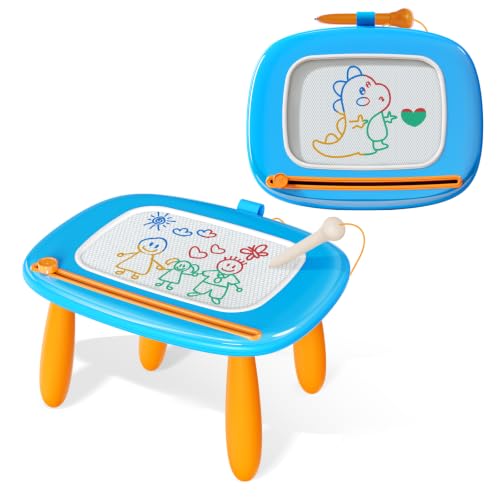
Large crayons, finger paints, play dough, and sensory bins support creativity and tactile exploration. These are especially valuable for children who enjoy hands-on discovery.
Ride-On & Active Toys
Balance bikes, scooters with parental handles, and soft play equipment encourage active movement. These toys are a long-term investment because they remain useful well into the preschool years.
Board Books & Early Literacy Toys
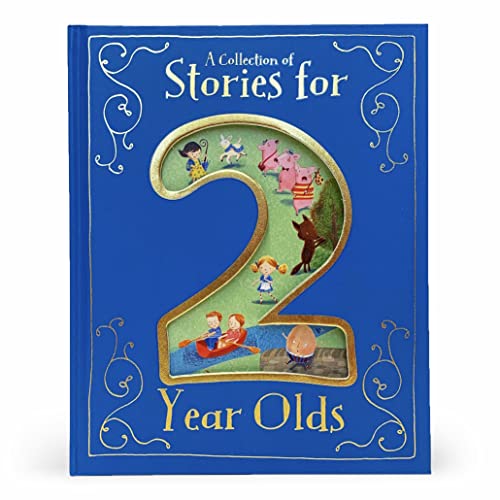
Sturdy board books, picture flashcards, and simple memory games build vocabulary and early literacy. Our memory games collection includes options suitable for late two-year-olds and early preschoolers.
Toy Category Comparison: What Each One Develops
This quick-reference table maps each popular toy category to the developmental skills it supports. Use it to identify gaps in your child's toy collection and to balance active, creative, and quiet play.
| Toy Category | Primary Skill | Secondary Skill | Best For |
|---|---|---|---|
| Building Blocks | Fine motor control | Spatial reasoning | Independent quiet play |
| Shape Sorters & Puzzles | Problem-solving | Shape recognition | Focused table play |
| Push & Pull Toys | Gross motor skills | Balance & coordination | Active indoor/outdoor play |
| Pretend Play Sets | Imagination | Language & social skills | Cooperative play |
| Musical & Sound Toys | Auditory processing | Language rhythm | Sensory exploration |
| Art & Sensory Toys | Creativity | Tactile exploration | Hands-on discovery |
| Ride-On & Active Toys | Gross motor strength | Confidence & balance | Outdoor activity |
| Board Books & Literacy | Vocabulary | Early reading skills | Bedtime & quiet time |
What Makes a Toy Genuinely Popular at Age Two?
Popularity among two-year-olds is not about flashy packaging or complex features. In practice, the toys that stay in rotation longest share several traits. They are simple enough for a child to operate independently, open-ended enough to support multiple play patterns, and durable enough to withstand daily handling.
- Cause-and-effect clarity: Toys that respond predictably to a child's action — a button that plays a sound, a block that stacks, a lever that moves — build confidence and understanding.
- Open-ended design: Blocks, balls, and art supplies can be used in many ways, which keeps them engaging as the child's skills grow.
- Age-appropriate challenge: The toy should be just beyond current mastery but not frustrating. Simple puzzles with a few large pieces are a good example.
- Durable construction: Two-year-olds are not gentle. Reinforced joints, non-toxic finishes, and rounded edges are essential.
- Safe sizing: Avoid small parts that pose choking hazards. Follow the manufacturer's age recommendation and always supervise play.
For a broader look at safety considerations across age groups, our guide to motor skills toys for 2 year olds provides additional context on matching toy complexity to developmental readiness.
How to Build a Balanced Toy Collection for a 2-Year-Old
A balanced collection does not need to be large. In fact, fewer toys often lead to deeper, more focused play. Aim for a mix that covers active play, creative play, quiet play, and social play. The following framework helps you allocate space and attention across categories.
Include at least one ride-on or push toy and one ball. These support physical development and give energetic toddlers a safe outlet. If you have outdoor space, consider a simple climbing structure or a lightweight slide.
Building blocks, art supplies, and pretend play sets form the core of creative play. These toys grow with the child and support increasingly complex play scenarios. For children approaching three, our guide to most educational toys for 3 year olds can help you plan the next stage.
Puzzles, books, and simple sorting toys support concentration and language development. Keep a small basket of these items accessible for calm, focused time.
Simple games, musical toys, and pretend play sets encourage turn-taking and communication. These are especially valuable for children who spend time with siblings or in group care settings.
Safety Considerations for Toys for 2 Year Olds
Safety should always come first, especially at this age. Two-year-olds explore with their mouths and are still developing coordination, so toy selection requires care. Always check the manufacturer's age recommendation, inspect toys regularly for damage, and supervise play with any toy that has small parts or moving pieces.
- Choose toys labeled for ages 24 months and up, and avoid anything with parts smaller than a choke-test tube.
- Check for sharp edges, loose joints, and peeling paint, especially on wooden toys.
- Ensure batteries are securely enclosed and not accessible to the child.
- Avoid toys with long cords or strings that could pose a strangulation risk.
- For ride-on toys, choose low-profile designs and use them on flat, safe surfaces.
If you are also shopping for a younger child, our guide to must-have toys for 18 month olds covers safety considerations specific to that developmental stage.
Frequently Asked Questions
What are the most popular toys for 2 year olds right now?
The most popular toys for 2 year olds consistently include building blocks, shape sorters, push and pull toys, simple puzzles, pretend play sets, and musical toys. These categories combine developmental value with durability and open-ended play. Many parents also favor ride-on toys and board books as long-term investments.
How many toys should a 2-year-old have?
There is no fixed number, but most child development experts suggest keeping 6 to 10 toys accessible at a time and rotating the rest. Fewer toys often leads to deeper, more focused play. A balanced collection covers active, creative, quiet, and social play categories.
Are educational toys worth it for 2 year olds?
Yes, but the term "educational" is broad. The most valuable toys at this age are those that naturally support development — blocks, puzzles, books, and pretend play sets. These build fine motor skills, language, and problem-solving without requiring structured lessons. For more ideas, see our guide to learning toys for 1-2 year olds.
What toys help with speech development at age two?
Toys that encourage naming, singing, and conversation are most helpful. Board books, picture cards, musical toys, and pretend play sets all support language development. Simple memory games and toys with clear labels also help build vocabulary.
How do I choose safe toys for a 2-year-old?
Always check the age recommendation on the packaging, look for non-toxic materials, and inspect toys for small parts, sharp edges, or loose joints. Avoid toys with long cords or accessible batteries. Supervise play and regularly check toys for wear and tear.
Should I buy toys based on gender?
At age two, children benefit most from a wide variety of play experiences. Many parents now choose toys based on the child's interests rather than gender labels. Building blocks, pretend play sets, ride-on toys, and art supplies are valuable for all children.
Ready to Choose the Perfect Toys?
Explore our expert-selected recommendations for the most popular toys for 2 year olds. Each pick is chosen for developmental value, safety, and lasting play potential.
View Top Picks