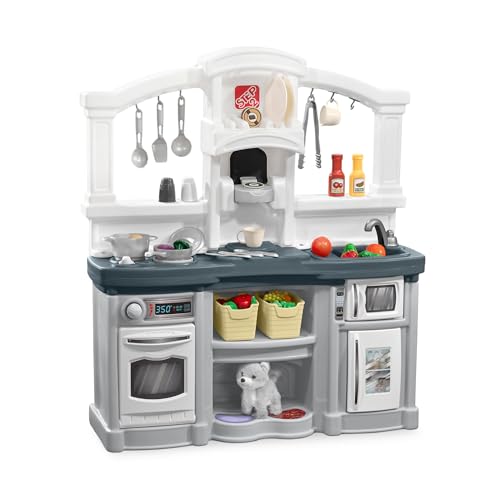
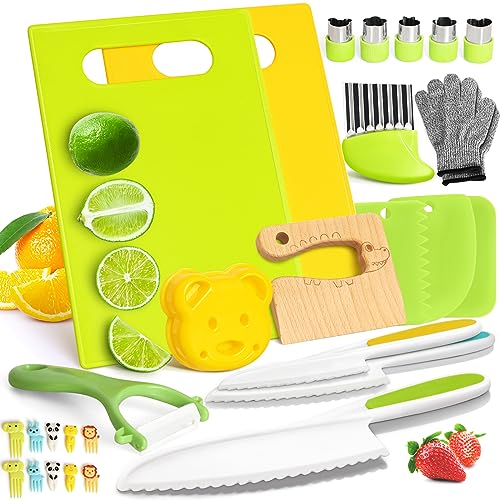
Kids Kitchen Set: The Complete Guide to Choosing the Right Play Kitchen
Everything you need to know before choosing a play kitchen — materials, safety, size, accessories, and the pretend play benefits that make this toy a childhood classic.
🍳 Why a kids kitchen set matters: A play kitchen is one of the most enduring toys in early childhood. It supports imaginative play, language development, social skills, and fine motor coordination all at once. This guide walks you through the key decisions — material, footprint, safety features, and accessory compatibility — so you can choose a set that fits your child, your home, and your play goals.
Why a Play Kitchen Is Worth the Space
A kids kitchen set is more than a miniature appliance collection. It is an open-ended play platform. Children naturally imitate adults, and a play kitchen gives them a safe, structured environment to rehearse daily routines — stirring, serving, hosting, and tidying up. This kind of pretend play is closely linked to vocabulary growth, sequencing skills, and emotional regulation.
Play kitchens also encourage cooperative play. When two or three children share a kitchen, they negotiate roles, take turns, and practice conversation. For only children or children who are still building social confidence, a kitchen set becomes a natural bridge for inviting others into play. If you want to expand the pretend play world further, our collection of imaginative play ideas pairs perfectly with a kitchen setup.
From a developmental standpoint, a play kitchen covers several skill areas at once: fine motor control through turning knobs and handling utensils, hand-eye coordination through pretend chopping and pouring, and gross motor movement when children carry play food to a table. Parents who want to build these skills deliberately often pair kitchen play with activities from our hand-eye coordination toys for 3-year-olds guide.
Wooden vs Plastic vs Composite: Material Comparison
The material of a kids kitchen set affects durability, weight, visual style, and how the toy fits into your home. There is no single best material — the right choice depends on your priorities.
🪵 Wooden Play Kitchens
- Heavier and more stable during active play
- Natural finish fits living-room aesthetics
- Solid build quality on premium models
- Screw-and-dowel assembly is repairable
- Usually heavier to move between rooms
🧸 Plastic Play Kitchens
- Lighter and easier to relocate
- Molded details like burners and knobs
- Wipe-clean surfaces for messy play
- Wide range of colors and themes
- Entry-level and mid-range options are common
🧱 Composite & MDF Models
- Balanced tier positioning for many families
- Smooth painted finishes
- Often feature-rich for the category
- Keep away from prolonged moisture
- Check edge sealing on assembly
In practice, wooden models tend to be the long-term investment choice, especially when you plan to pass the set down or resell it. Plastic models are the practical choice for apartments, frequent rearranging, and households that value easy cleaning. Composite and MDF sets often land in the balanced tier, offering molded detailing and storage features without the weight of solid wood.
Play Kitchen Tiers at a Glance
Use this table to match a kitchen set to your household rather than to any specific brand. Each tier describes a position in the market, not an absolute quality judgment.
| Tier | Best For | Typical Features | Material Focus |
|---|---|---|---|
| Entry-level | First kitchen for toddlers, small spaces | Compact footprint, basic burners, few accessories | Lightweight plastic |
| Mid-range | Growing families, shared playrooms | Oven with door, storage shelves, accessory set included | Composite, MDF, or sturdy plastic |
| Premium | Long-term use, design-conscious homes | Realistic details, sound modules, ample storage, coordinated accessories | Solid wood or high-grade composite |
| Luxury | Collectors of heirloom-style play furniture | Hand-finished surfaces, modular layouts, premium hardware | Hardwood with non-toxic finishes |
Safety Checklist Before You Buy
Safety is the non-negotiable part of choosing a kids kitchen set. Run through this checklist for every candidate:
- Stability: The set should not tip when a child leans on an open oven door. Look for a wide base or wall-anchoring hardware.
- Edge finishing: All edges should be rounded or smoothly sealed. Run a finger along the openings and shelf fronts.
- Small parts: Knobs, screws, and accessory pieces should be securely attached or clearly sized above choking-hazard thresholds for the target age.
- Non-toxic finishes: Painted surfaces should use child-safe, low-emission finishes. Ventilate the room after assembly.
- Sound and light modules: Battery compartments must be screw-secured. Volume should be moderate and non-adjustable upward.
- Age labeling: Respect the manufacturer's age range. Sets with small accessories are often labeled for ages three and up.
Our broader toy safety guide covers recall awareness and inspection routines that apply to every play kitchen, and the choking hazard prevention resource is worth reviewing if you have a child under three at home.
Sizing the Kitchen to Your Space
Measure before you commit. A play kitchen needs clearance on all sides, plus room for a child to open the oven door and stand back. As a rule of thumb, allow at least 60 cm of open floor in front of the set and 15 cm on each side.
For small homes, corner kitchens and one-piece compact units work well. For playrooms with siblings, a two-piece or L-shaped layout lets multiple children cook side by side. If your child also enjoys caring for dolls and stuffed animals alongside cooking, a separate seating nook with a kids table and chairs creates a natural dining area for pretend meals.
Height matters too. Counter height should sit around waist level for the child. A kitchen that is too tall forces children to reach upward and discourages independent play; one that is too short loses realism quickly as the child grows. Many families choose a mid-range set sized for a three- to six-year-old and then transition to a larger or more detailed set later.
Accessories That Extend Play Value
A kitchen set is only as rich as the accessories around it. Prioritize items that encourage open-ended play over single-purpose gadgets.
- Play food sets: Wooden or felt food with Velcro cuts supports pretend chopping and sorting.
- Pots, pans, and utensils: Metal or sturdy plastic cookware that matches the scale of the burners.
- Play grocery items: A small grocery store toy set pairs beautifully with a kitchen, creating a full cooking-to-shopping play loop.
- Aprons and chef hats: Role-play costumes deepen immersion and are easy to store.
- Storage bins: Small labeled bins keep accessories contained and make cleanup part of the routine.
For children who prefer hands-on building and tinkering, our hands-on toys for 4-year-olds guide covers complementary options that work well alongside kitchen play.
Age-by-Age Recommendations
Ages 18 months to 3 years: Choose a low, sturdy kitchen with large knobs, few small parts, and rounded edges. Focus on cause-and-effect features like doors that open and knobs that turn. Many families start with an indoor climbing toy for 2-year-olds alongside a compact kitchen to keep active toddlers engaged between cooking sessions.
Ages 3 to 5 years: This is the sweet spot for play kitchens. Children can handle accessories, follow pretend recipes, and play cooperatively. A mid-range set with an oven door, storage, and an included accessory pack fits well here. Pair kitchen play with interactive toys for 3-4 year-olds for variety during longer play sessions.
Ages 5 to 8 years: Older children want realism and scale. Consider a premium set with realistic burners, sound modules, and a larger counter for multi-child play. Accessories like play baking sets and restaurant menus extend the interest well past the preschool years.
If you are building a playroom around the kitchen, browse our indoor play equipment for home collection to balance active and quiet play zones.
Ready to Choose a Kids Kitchen Set?
Browse our hand-picked selection of play kitchens and accessories, filtered by age, material, and play style.
Explore Recommended Kitchen SetsCreative Play Ideas with a Kitchen Set
Once the kitchen is assembled, the real value comes from how it is used. These play prompts keep the set fresh over months and years:
- Restaurant day: Children take orders, "cook," and serve meals to family members or dolls.
- Grocery run: Pair the kitchen with a grocery set and a printed shopping list for a full errand sequence.
- Baking challenge: Set out play dough and baking tools for a pretend bake-off with a timer.
- International menu: Introduce a new pretend cuisine each week to expand vocabulary and cultural awareness.
- Clean-up routine: Turn tidying into a game with labeled bins and a "closing time" song.
These scenarios align with the broader benefits described in our imaginative play ideas and play-based learning guides. For families balancing screen time, a kitchen set is a strong anchor for screen-free play routines.
Frequently Asked Questions
What age is a kids kitchen set suitable for?
Most play kitchens are labeled for ages three and up because of small accessory parts. Compact toddler kitchens with no small pieces can be suitable from around 18 months, provided an adult supervises play. Always check the manufacturer's age label.
Is wooden or plastic better for a play kitchen?
Wooden sets offer long-term durability and a natural look, while plastic sets are lighter, easier to clean, and simpler to move. Both are valid choices; the decision usually comes down to space, household style, and how long you expect to keep the set.
How much floor space does a play kitchen need?
Plan for the footprint of the set itself plus roughly 60 cm of clearance in front for the oven door and standing room, and about 15 cm on each side. Compact corner models can fit into smaller play areas than full L-shaped setups.
Do play kitchens need batteries?
Some models include sound or light modules that require batteries, while others are entirely mechanical. Battery-free kitchens are simpler to maintain and avoid the need to manage battery compartments, but sound features can add engagement for younger children.
How do I clean a play kitchen?
Wipe surfaces with a damp cloth and mild soap. Avoid soaking composite or MDF surfaces. Wooden sets should be dried promptly after wiping. Accessories like play food and utensils can usually be washed in warm soapy water; check the manufacturer's care instructions for confirmation.
Can siblings share one play kitchen?
Yes. A two-piece or L-shaped layout gives each child a workstation. Multi-child play is one of the strongest benefits of a kitchen set, so if you have siblings close in age, prioritize a set with a wider counter and storage accessible from multiple sides.
Final Thoughts
A kids kitchen set is one of the highest-value pretend play investments you can make for a young child. The right choice balances safety, footprint, material durability, and accessory flexibility. Start with the age of your child, measure your available space, and then pick the tier that matches how long you intend to keep the set in the family.
When the kitchen is in place, the play ideas above will keep it relevant for years — from first pretend stirring sessions to full restaurant role-play with siblings and friends.