Children's Ride-On Cars: The Ultimate Buying Guide
Everything parents need to know about choosing a safe, fun, and age-appropriate ride-on car — from foot-to-floor toddler models to premium battery-powered vehicles.
START THE GUIDE🚗 Why Ride-On Cars Matter: A children's ride-on car is more than just a toy — it supports gross motor development, spatial awareness, and imaginative play. Whether your child is taking their first "drive" on a foot-to-floor model or steering a battery-powered jeep, the right ride-on car builds confidence and coordination. This guide walks you through every consideration so you can choose with confidence.
If you have been searching for the perfect children's ride-on car, you already know the options are vast. From simple push-along cars for toddlers to fully featured electric vehicles with parental remote control, the market offers something for every age and stage of childhood. The challenge is not finding a ride-on car — it is finding the right one for your child's age, development level, and your family's play environment.
This guide is built for parents, grandparents, and gift-givers who are in the research phase. You know you want a ride-on car, but you need clear, trustworthy information about types, safety features, materials, and how to match a model to your child. By the end of this guide, you will understand exactly what to look for — and what to avoid — when making your decision.
Types of Children's Ride-On Cars
Ride-on cars fall into several distinct categories. Understanding these categories is the first step toward choosing the right one. Each type serves a different developmental stage and play style.
Foot-to-Floor Ride-On Cars
Powered by your child's own feet, these ride-on cars are the ideal introduction for toddlers aged 12 months and up. They build leg strength and coordination. Many models include storage compartments under the seat and a push handle for parents. These are also a great alternative to a toy steering wheel for the back of a car seat for extended play value.
Battery-Powered Ride-On Cars
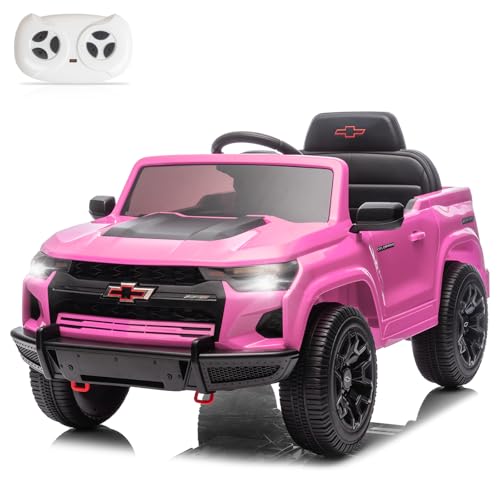
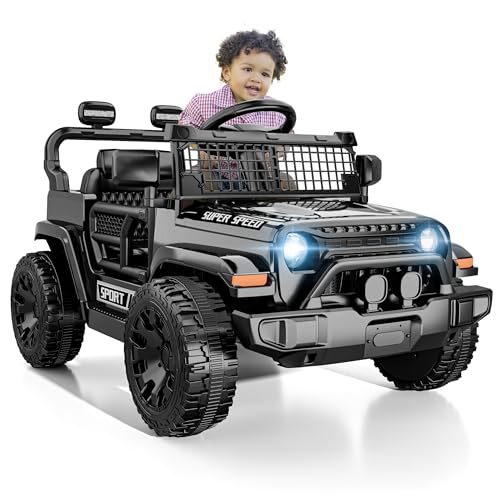
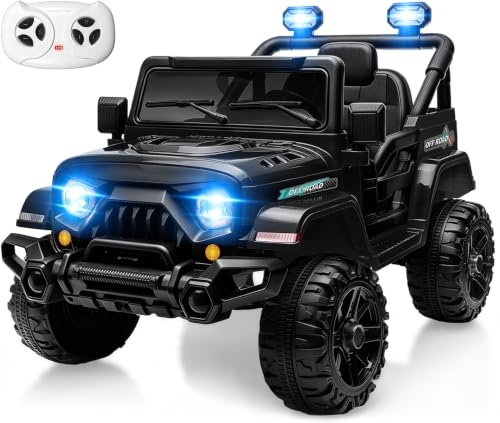
These are the most popular category for children aged 3 to 8. Powered by a rechargeable battery, they typically feature forward and reverse gears, working headlights, and realistic sounds. Mid-range models often include a parental remote control, making them safe for younger drivers. Premium materials and reinforced construction are common in higher tiers.
Licensed Character Ride-On Cars
Officially licensed models replicate popular movie and television vehicles, from sports cars to off-road jeeps. These are a top-tier choice for children who want to "drive" their favorite character's vehicle. Brands invest in premium materials and detailed finishes, making these a long-term investment in the playroom. Many feature realistic engine sounds and working lights.
Premium & Commercial-Grade Ride-On Cars
At the luxury end of the market, ride-on cars feature leather-look seats, high-grade steel frames, and advanced suspension systems. These flagship-tier models are built for longevity and often include dual motors, longer battery life, and superior traction on varied terrain. They are a worthwhile investment for families who want a ride-on car that will last through multiple children.
Ride-On Car Comparison by Tier
The table below compares ride-on car tiers across key categories. Note that we use market-position descriptors rather than specific figures to help you evaluate relative value.
| Tier | Best For | Typical Features | Durability |
|---|---|---|---|
| Entry-Level Tier | Toddlers (12–24 months) | Foot-to-floor, push handle, storage | Standard plastic construction |
| Mid-Range Tier | Preschoolers (3–5 years) | Battery-powered, remote control, sounds | Reinforced plastic, solid build |
| Premium Tier | School-age (5–8 years) | Licensed designs, dual motors, LED lights | Heavy-duty plastic, metal accents |
| Luxury Tier | Families with multiple children | Leather-look seats, suspension, high-capacity battery | High-grade steel, weather-resistant coating |
How to Choose the Right Ride-On Car
Choosing a ride-on car comes down to four core questions: Who will ride it? Where will it be used? What safety features are non-negotiable? And how long do you want it to last? Let's break each one down.
1. Match the car to your child's age and development. A ride-on car that is too advanced can be frustrating or unsafe. A 2-year-old is not ready for a high-speed electric vehicle, but they will thrive with a foot-to-floor model. For a comprehensive view of age-appropriate play, explore our age-appropriate toys for 2-year-olds guide. Older children aged 6 to 8 can handle more complex controls and benefit from the challenges of a mid-range or premium electric model. If you are shopping for a broader selection, our outdoor ride-on toys for 8-year-olds guide offers additional options.
2. Consider the terrain and storage. Where will the car be driven? Smooth pavement is ideal for most electric ride-on cars. Grass and gravel require models with larger wheels and higher torque — typically premium or luxury tier. Also consider storage: larger ride-on cars take up significant space. If storage is tight, a compact mid-range model or a foot-to-floor car that folds may be the better choice.
3. Prioritize safety features. The most important safety features are a parental remote control (for electric models), a seat belt or harness, speed limiting, and sturdy construction with no sharp edges. For younger riders, a model with a slow-start mechanism prevents jerky acceleration. Always check that the car meets relevant safety standards. Our toy safety guide provides a broader overview of safety considerations for all toys.
4. Think about battery life and charging. Battery-powered ride-on cars typically run for 1 to 2 hours per charge, with charging times of 8 to 12 hours. Higher-tier models offer longer run times and faster charging. If you have multiple children, a dual-seat model with a high-capacity battery is a wise investment. Note that 6V battery chargers for ride-on toys are available as replacements, but it is always better to choose a model with a robust battery system from the start.
5. Look for growth potential. Some ride-on cars grow with your child. Adjustable seats, removable speed limiters, and multi-stage designs mean the car can be used for several years. A premium-tier model may seem like a larger initial commitment, but its durability and feature set often make it the more efficient choice in the long run.
Safety Essentials for Ride-On Cars
Safety is the most important consideration when choosing any ride-on toy. Use this checklist before your child takes their first drive.
- Age recommendation: Always follow the manufacturer's age label. Most electric ride-on cars are for ages 3 and up; foot-to-floor models for 12 months and up.
- Parental supervision: No ride-on car should be used without adult supervision, especially for children under 6.
- Remote control: For electric models, a parental remote control is a must-have safety feature for younger drivers.
- Seat belt: A seat belt or safety harness keeps children secure during play.
- Speed limiter: Choose a model with a speed limiter or a slow-start feature to prevent sudden acceleration.
- Sturdy construction: Check for reinforced frames, rounded edges, and non-toxic materials.
- Helmet use: For faster premium and luxury models, a helmet is strongly recommended.
- Flat, safe surfaces: Drive on flat, paved surfaces away from traffic, stairs, pools, and steep inclines.
If your backyard is already home to active play equipment such as an outdoor playset, a ride-on car makes an excellent companion piece that encourages different types of movement and imaginative play. Together, they create a complete outdoor activity zone.
Frequently Asked Questions
Most ride-on cars are designed for children aged 1 to 8 years. Manual foot-to-floor models suit toddlers from 12 months, while battery-powered vehicles are generally recommended for ages 3 and up. Always check the manufacturer's age recommendation and safety labels before purchasing.
Battery-powered ride-on cars are safe when used according to the manufacturer's guidelines. Key safety features include a parental remote control, seat belts, speed limiters, and sturdy construction. Adult supervision is essential at all times, especially for children under 6.
A typical ride-on car battery lasts between 1 to 2 hours of continuous use, depending on the model, terrain, and weight of the rider. Charging usually takes 8 to 12 hours. Premium and luxury-tier models with higher-capacity batteries may offer longer run times.
Smaller ride-on cars with soft wheels can be used indoors on hard floors, but most ride-on cars are designed for outdoor use on flat, paved surfaces. Using them indoors may risk damage to furniture or walls, so outdoor use is recommended for electric models.
Entry-level models typically feature basic controls, standard plastic construction, and shorter battery life. Premium and luxury-tier models offer reinforced frames, superior suspension, realistic details, dual motors, and longer battery life. The difference is most noticeable in durability, ride smoothness, and long-term reliability.
Ready to Find the Perfect Ride-On Car?
Browse our curated selection of top-rated children's ride-on cars below. Each option has been evaluated for safety, durability, and play value across age groups and tiers.
VIEW RECOMMENDED MODELSFor families who love outdoor play, pairing a ride-on car with other active toys extends the fun. Consider how a ride-on car fits alongside outdoor toys for 6-year-olds or explore outdoor climbing toys for 8-year-olds to build a well-rounded play area. And if you are planning a gift, a ride-on car is a memorable choice that stands out among gifts for 4-year-olds that aren't toys — it is an experience as much as a toy.
🚦 Final Thought: A children's ride-on car is an investment in active, imaginative play. By matching the car to your child's age, prioritizing safety features, and considering long-term durability, you can choose a model that will be enjoyed for years. Use the recommendations below as your starting point, and always supervise young drivers.