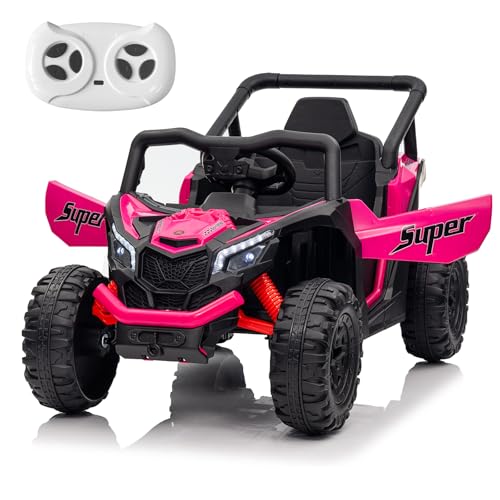
Battery Powered Ride On Toys for 7 Year Olds: Power, Adventure & Safety
Seven is the age of independence and exploration. A battery powered ride-on gives your child the thrill of driving while building coordination and confidence. This expert guide cuts through the noise to help you choose the right model for your young adventurer.
Explore Top Picks →🧭 Why a ride-on toy at seven? At this stage, children have the motor skills, judgment, and attention span to handle more capable vehicles than toddler models. A well-chosen battery powered ride-on offers a perfect blend of outdoor activity, imaginative play, and early lessons in responsibility. The key is matching power, speed, and safety features to your child's maturity level — not just their age.
What Makes a Great Ride-On for a 7-Year-Old?
By age seven, most children have outgrown the slow, single-speed vehicles designed for toddlers. They crave speed, terrain capability, and realistic features. However, safety must remain the top priority. Here are the critical factors to evaluate:
⚡ Speed & Power
A 12V or 24V system is typical for this age group. Look for variable speed control or a low/high switch so beginners can start slow. Top speeds should stay within a safe range for your yard or driveway.
🛞 Terrain Capability
Solid rubber tires or treaded plastic wheels handle grass, gravel, and pavement. Four-wheelers and jeep-style models are more stable than sleek sports cars on uneven ground.
🛑 Safety Features
Parental remote control is a non-negotiable for many families — it lets you override the vehicle if needed. Also prioritize seat belts, soft-start technology, and a sturdy safety bar.
🔋 Battery & Range
Aim for 45–90 minutes of continuous run time. Sealed lead-acid batteries are common; lithium-ion versions offer faster charging and longer life. Check that the battery is replaceable.
💺 Comfort & Fit
Seats should accommodate growing legs. A weight capacity of at least 110 lbs (50 kg) gives years of use. Padded seats and adjustable harnesses improve long-ride comfort.
🔊 Realistic Details
Working lights, engine sounds, MP3 input, and storage compartments add to the fun. Just be sure the volume is adjustable or can be muted for parental sanity.
Ride-On Categories at a Glance
Different body styles suit different personalities and environments. Here's how the main categories compare in terms of value and intended use:
| Category | Best For | Typical Tier | Key Strength |
|---|---|---|---|
| Jeep / SUV Style | Rough terrain, family adventures | Mid-range to premium | Stability, ground clearance, realistic look |
| Sports Car | Smooth driveways, speed enthusiasts | Entry-level to mid-range | Streamlined design, responsive steering |
| Four-Wheeler / ATV | Grass, dirt, uneven yards | Mid-tier to high-end tier | Superior traction, rugged build |
| Ride-On Truck | Hauling toys, imaginative play | Essential tier to top-tier | Cargo bed, high weight capacity |
| Motorcycle / Scooter | Paved surfaces, nimble fun | Starter tier to balanced tier | Lightweight, easy to maneuver |
Safety Checklist for Parents
No ride-on toy is risk-free, but the right precautions make playtime much safer. Before your child takes the wheel, run through this checklist:
- Helmet & Gear: A properly fitted helmet is essential, even at low speeds. Knee and elbow pads add extra protection for beginners.
- Designated Play Area: Keep rides away from traffic, steep slopes, pools, and driveways with blind spots. A fenced yard is ideal.
- Supervision First: Always supervise children under ten. Even with a parental remote, your eyes should stay on the vehicle.
- Charge Wisely: Charge batteries in a cool, dry area away from flammable materials. Never leave a charging battery unattended overnight.
- Regular Inspection: Check wheels, steering, seat belts, and battery connections before each use. Tighten loose bolts and replace worn tires.
- Age & Weight Limits: Strictly follow the manufacturer's guidelines. A toy rated for ages 3–8 may not handle a seven-year-old at the top of the weight range safely at high speed.
Explore More Ride-On Guides
Still deciding which style fits your family? These related guides break down specific options by age, terrain, and feature set:
- Compare battery operated cars for 8 year olds if your child is ready for a step up in power.
- For younger siblings, see our guide to battery powered ride on toys for 3 year olds.
- If you want parental peace of mind, read about ride-on cars with remote control.
- Planning for a slightly older child? Our ride-on toys for 10 year olds guide covers higher-performance models.
- For a broader overview, browse the full battery powered ride-on toys collection.
- Thinking about a big gift? Check our big toy cars for 7 year olds roundup.
- Need a charger replacement or upgrade? See 6 volt battery chargers for toy cars.
- For four-wheeler fans, explore battery powered four wheelers with rubber tires.
Our Top Recommendations
Below is a curated selection of battery powered ride-on toys that excel for seven-year-olds. We've evaluated each on safety, build quality, features, and long-term play value. Use these as a starting point, then dive into the detailed listings for specs and availability.
Frequently Asked Questions
Is a 12V or 24V ride-on better for a 7-year-old?
It depends on the child's experience and the terrain. A 12V model is a safe starting point for most seven-year-olds, especially in smaller yards. A 24V system offers more power and speed, which can be suitable for mature riders on larger properties — but always check that the model includes a low-speed mode or parental speed limiting.
How long does the battery last on a typical ride-on?
Most quality models provide 45 to 90 minutes of continuous use on a full charge. Factors like terrain, rider weight, and speed setting affect run time. Lithium-ion batteries generally hold a charge longer and charge faster than sealed lead-acid types.
Do I need a parental remote control?
For a seven-year-old, a remote control is strongly recommended — especially if the vehicle can reach higher speeds. It allows you to stop or redirect the toy if your child loses focus or heads toward a hazard. Many premium models include this feature as standard.
Can a 7-year-old ride on grass or gravel?
Yes, but the vehicle needs the right tires and ground clearance. Four-wheelers, jeeps, and models with treaded rubber tires handle uneven surfaces far better than low-profile sports cars. Always test the vehicle on your specific terrain and supervise the first few rides.
What weight capacity should I look for?
Aim for a capacity of at least 110 lbs (50 kg). This ensures the vehicle handles the child's current weight plus a margin for growth and uneven terrain. Many models support up to 130 lbs or more, which extends their usable life.
How do I maintain the battery for long life?
Charge the battery fully after each use, avoid draining it completely, and store it in a cool, dry place. If the ride-on won't be used for weeks, charge it monthly to prevent degradation. Follow the manufacturer's charging instructions exactly.