
Battery Powered Ride On for 10 Year Olds: The Complete Buying Guide
Your 10 year old has outgrown the toddler ride-ons. Now they need something with real power, real terrain capability, and real adventure. This guide breaks down everything you need to know about choosing a battery powered ride on that matches their age, size, and riding style — from entry-level starter models to top-tier performance vehicles.
Explore Top PicksWhy a dedicated ride-on guide for 10 year olds? At this age, children have the coordination, judgment, and physical size to handle more capable vehicles than the preschool models most parents are familiar with. A 10 year old typically weighs between 60 and 90 pounds and has the motor skills to steer, brake, and navigate obstacles safely. But not every ride-on is built for that size and skill level. This guide focuses exclusively on models designed for older kids — with higher weight capacities, more powerful battery systems, and features that match their maturity. We cover what actually matters when you're buying for a 10 year old: power delivery, terrain handling, safety systems, and long-term durability.
What Makes a Ride-On Suitable for a 10 Year Old?
The ride-on market is segmented by age, but the differences between a model built for a 6 year old and one built for a 10 year old go far beyond a sticker on the box. At the 10-year-old tier, you're looking at a different class of vehicle entirely. These models need to support a heavier rider, maintain stability at higher speeds, and withstand the kind of rough play that older kids naturally gravitate toward.
The most important specification to check is weight capacity. Most ride-ons designed for 10 year olds have a capacity of at least 110 pounds, with many high-end tier models supporting 130 pounds or more. This headroom matters not just for the rider's current size but for the vehicle's stability and motor longevity. A vehicle operating near its maximum capacity will wear faster and perform worse on inclines.
The second critical factor is battery voltage. Entry-level models for this age group typically use 12V systems, which deliver modest speed and are best suited to flat, paved surfaces. Mid-range models step up to 24V, offering noticeably better acceleration and the ability to handle slight inclines and short grass. High-end and top-tier models use 36V systems or dual 24V configurations, delivering the torque and speed needed for uneven terrain, gravel, and longer ride times.
Beyond power and capacity, look for tire type. Plastic wheels are common on entry-level models but offer poor traction and a harsh ride. Rubber tires — especially those with tread patterns — are a hallmark of mid-range and premium models and make a significant difference in handling and comfort. If your child will ride on anything other than smooth pavement, rubber tires are effectively non-negotiable.
Weight Capacity
Aim for at least 110 lbs. High-end tier models support 130 lbs or more, providing stability and motor longevity for growing kids.
Battery Voltage
12V for flat pavement only. 24V for mixed surfaces and mild inclines. 36V or dual-motor setups for real terrain capability.
Tire Type
Rubber tires with tread are essential for anything beyond smooth pavement. They improve traction, comfort, and durability.
Safety Systems
Seat belt, speed governor, reliable braking, and a sturdy frame are baseline requirements. Parental remote is a bonus for beginners.
Types of Battery Powered Ride-Ons for 10 Year Olds
The category breaks down into several distinct vehicle types, each with its own strengths and ideal use cases. Understanding these differences is the fastest way to narrow down your options.
Ride-On Cars and Jeeps
These are the most popular style for this age group. Models styled after real trucks, Jeeps, and sports cars offer a familiar driving experience with a steering wheel, foot pedal, and forward/reverse controls. Mid-range and high-end tier versions often include working lights, realistic engine sounds, and MP3 connectivity. If your child enjoys imaginative play and wants a vehicle that feels like a "real" car, this is the category to focus on. You can explore broader options in our battery operated cars for 10 year olds guide.
Ride-On ATVs and Four-Wheelers
ATV-style ride-ons feature a straddle seat, handlebar steering, and four rugged tires. They're built for rougher terrain and offer a more active riding posture. For a 10 year old who wants to explore beyond the driveway, an ATV-style model with a 24V or 36V system and rubber tires is an excellent choice. These vehicles tend to have better ground clearance and suspension than car-style models, making them more capable on grass, dirt, and gravel. See our selection of battery powered four wheelers with rubber tires for models that fit this description.
Ride-On UTVs and Side-by-Sides
UTV-style ride-ons are the largest category in terms of physical footprint. They typically feature two seats, a cargo bed, and a more substantial frame. For 10 year olds who want to bring a friend along or haul toys, a UTV-style model is a strong choice. These vehicles are generally heavier and more stable, but they also require more storage space and a larger riding area. Many high-end tier UTV models include dump beds, working lights, and realistic sound effects.
Ride-On Go-Karts and Drift Cars
For 10 year olds who are drawn to speed and handling, go-kart and drift-style ride-ons offer a more performance-oriented experience. These models typically sit low to the ground, have a wide wheelbase for stability, and are designed for smooth surfaces like driveways and paved paths. Top-tier drift models can achieve controlled slides, which adds a skill element that many older kids find engaging. These are best suited to children with some riding experience and access to a safe, open paved area.
Key Features to Compare Across Models
Once you've narrowed down the vehicle type, the next step is comparing specific features. The table below outlines how these features typically differ across market tiers, so you can match your expectations to the right classification.
| Feature | Entry-Level Tier | Mid-Range Tier | High-End / Top-Tier |
|---|---|---|---|
| Battery System | 12V single motor | 24V single or dual motor | 36V or dual 24V, high-capacity pack |
| Top Speed | 3–5 mph | 5–8 mph | 10–15 mph |
| Weight Capacity | Up to 110 lbs | 110–130 lbs | 130+ lbs |
| Tire Type | Plastic wheels | Rubber tires, basic tread | Rubber tires, aggressive tread, suspension |
| Terrain Capability | Smooth pavement only | Pavement, short grass, mild inclines | Gravel, uneven terrain, longer inclines |
| Safety Features | Basic seat belt | Seat belt, speed governor | Seat belt, roll bar, speed governor, parental remote |
| Run Time | 30–60 minutes | 45–90 minutes | 90–120 minutes |
| Best For | Flat driveway, first-time riders | Mixed surfaces, everyday use | Serious terrain, experienced riders |
A note on the table above: these tiers are relative, not absolute. A well-designed mid-range model from a reputable brand will often outperform an entry-level model from a lesser-known manufacturer. The tiers are a useful starting point for comparison, but build quality and brand reputation matter just as much as the specifications on paper.
Safety Considerations for Older Riders
Safety is always the priority, but the specific risks shift when you're buying for a 10 year old rather than a toddler. At higher speeds and on more varied terrain, the consequences of a loss of control are more significant. The following checklist covers the features and practices that matter most for this age group.
- Functional seat belt: Non-negotiable. Even at modest speeds, a seat belt prevents ejection during sudden stops or turns. Check that the buckle is easy for a child to operate but secure enough to stay fastened.
- Speed governor or parental speed limit: Many mid-range and high-end tier models include a switch or remote that limits top speed. This is invaluable during the learning phase and can be relaxed as your child gains confidence.
- Reliable braking system: Look for models with either a foot brake or an electronic brake that engages smoothly. Avoid vehicles that rely solely on releasing the accelerator to slow down.
- Sturdy frame and roll bar: A roll bar or reinforced frame provides protection in the event of a tip-over. This is especially important for taller, heavier riders who shift the center of gravity.
- Age-appropriate speed: A 10 year old does not need a vehicle that goes 15 mph on day one. Match the speed capability to the rider's experience and the available riding area. A mid-range model with a governed top speed is often a safer starting point than a top-tier model running at full power.
- Helmet use: Even on a ride-on toy, a properly fitted helmet is strongly recommended. This is especially true for go-kart and drift-style models that encourage more aggressive handling.
- Supervision during early use: Until your child demonstrates consistent control and judgment, an adult should be present during rides. This is less about the vehicle's capability and more about the rider's maturity.
Practical Safety Tip
Before the first ride, walk the intended riding area together with your child. Point out hazards — curbs, slopes, parked cars, and boundaries — and agree on a safe operating zone. Many incidents happen not because the vehicle failed, but because the rider encountered an unexpected obstacle at speed. A five-minute walkthrough significantly reduces that risk.
Battery Care and Long-Term Maintenance
A battery powered ride-on is a long-term investment. The battery pack is the single most expensive component to replace, and how you care for it in the first year determines how many years of service you get from the vehicle.
Charging habits matter. Most ride-on batteries are sealed lead-acid (SLA) or lithium-ion. SLA batteries — common on entry-level and mid-range models — should be charged after every use and never stored in a depleted state. Leaving an SLA battery discharged for weeks can permanently reduce its capacity. Lithium-ion packs, found on many high-end tier models, are more forgiving but still benefit from regular charging and should not be left plugged in indefinitely after reaching full charge.
Storage conditions matter too. Extreme heat and extreme cold both degrade battery performance. If you live in a climate with harsh summers or winters, store the vehicle in a garage or shed rather than leaving it exposed to the elements. If the vehicle will be unused for an extended period, charge the battery to roughly half capacity and disconnect it from the vehicle.
Mechanical maintenance is straightforward. Check the tires for wear and proper inflation (if pneumatic), inspect the steering linkage for loose bolts, and clean the vehicle's body and undercarriage after rides on dirt or grass. A few minutes of maintenance every few weeks will prevent most common issues. If your model uses a 6V charger system, refer to our guide on 6 volt battery chargers for toy cars for compatible replacement options.
Matching the Vehicle to Your Child's Riding Style
Specifications tell you what a vehicle can do. Your child's personality and riding environment tell you what it should do. A few common profiles:
The cautious cruiser prefers smooth, predictable rides on paved surfaces. A mid-range car or Jeep-style model with a governed top speed and comfortable seating is ideal. There's no need to pay for terrain capability that won't be used. Focus on build quality, safety features, and battery longevity instead.
The adventurous explorer wants to go off the driveway and into the yard, the trail, or the park. This is where a 24V or 36V ATV or UTV model with rubber tires and decent ground clearance becomes worthwhile. The extra investment in terrain capability directly translates to a better experience. Browse our battery powered ride on toys collection for models in this category.
The speed seeker is drawn to acceleration and handling. A go-kart or drift-style model with a low center of gravity and responsive steering will hold their interest far longer than a standard ride-on car. These models are best suited to paved areas with clear boundaries. If your child is closer to 8 than 10, our guide to battery ride on toys for 8 year olds may be a better fit for their current stage.
The passenger-oriented rider wants to bring a friend or sibling along. A two-seat UTV or larger Jeep-style model with a higher weight capacity accommodates two riders comfortably. Keep in mind that carrying two children reduces battery run time and may bring the vehicle closer to its weight limit, so prioritize models with a generous capacity margin.
Recommended Battery Powered Ride-Ons for 10 Year Olds
⚠️ AFFILIATE DISCLOSURE: This website contains affiliate links. As an Amazon Associate, we earn from qualifying purchases. If you make a purchase through these links, we may receive a small commission at no additional cost to you. Read our full affiliate policy.

First Ride On 36V Kids Ride On UTV, 2-Seater 400W Electric Car for Kids 6+, 5-8 MPH Speed, 14" EVA Wheels, Metal Frame, Bluetooth Music, Rear Metal Suspension Off-Road Vehicle (Black Camo)
Check price on Amazon
First Ride On 36V Kids Ride On UTV, 2-Seater 400W Electric Car for Kids 6+, 5-8 MPH Speed, 14" EVA Wheels, Metal Frame, Bluetooth Music, Rear Metal Suspension Off-Road Vehicle (Pink)
Check price on Amazon
24V Ride On Car for Kids w/Remote Control, JOYRACER Battery Powered Off-Road UTV, 4x150W Motors,4 Shock Absorbers, 4.5 Mph Max Speed, Bluetooth, MP3, Lights, Electric Car for Big Kids
Check price on Amazon
Aosom 12V Electric Go Kart 5 MPH Drifting Go Kart for 8-12 Years Old Pink | Battery Powered Ride on Toy, Outdoor Use, Slow Start, Music, Colorful Lights, 110 lb Max Weight
Check price on Amazon
OLAKIDS 24V 4x4 Ride on Toys, Kids ATV 4 Wheeler Quad Aged 3+ Years, Pink | Toddler Electric Car with Rear Storage Rack, Power Display, Spring Suspension, Music, LED Lights, Big Tires, Battery Powered
Check price on Amazon
TCARAIWEN 24V Electric Motorcycle for Kids, Ride On Toys for 4-10 Years Old | Aprilia Licensed Motor Bike, Speed Up to 8mph, Training Wheels, Bluetooth and Mp3, Toddler Motorcycle for Girls Boys, Pink
Check price on Amazon
Aosom 12V Electric Go Kart 5 MPH Drifting Go Kart for 8-12 Years Old Blue | Battery Powered Ride on Toy, Outdoor Use, Slow Start, Music, Colorful Lights, 110 lb Max Weight
Check price on Amazon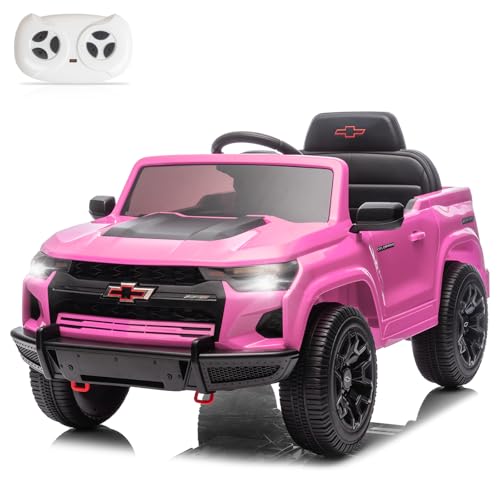
Winado 12V Licensed Chevrolet Colorado Electric Ride on Car for Kids, Pink | Ride on Toys for Toddlers w/ Remote Control, Battery Powered, Bluetooth, Soft Start, LED Lights
Check price on AmazonFrequently Asked Questions
For a 10 year old, a mid-range or high-end tier ride-on with a 24V or 36V battery system offers the best balance of speed, terrain capability, and durability. Look for models with larger rubber tires, dual motors, and a weight capacity of at least 130 pounds. Entry-level 12V models are better suited to younger or lighter riders and flat pavement only.
Premium and high-end tier ride-on vehicles for 10 year olds typically reach top speeds of 10 to 15 mph, while mid-range models generally max out around 5 to 8 mph. Always match speed capability to the rider's experience level and the available riding area. A vehicle with a parental speed governor is a smart choice for newer riders.
A remote control is not essential for a 10 year old, as most children this age can operate the vehicle independently. However, parent remote control can be a useful safety feature for beginners or for limiting speed during the learning phase. Many mid-range and high-end tier models include this feature, and it adds a layer of confidence for parents without detracting from the child's experience.
Run time varies by battery capacity, terrain, and rider weight. Mid-range models typically offer 45 to 90 minutes of continuous use, while high-end tier models with larger battery packs can deliver 90 to 120 minutes. Riding on flat, smooth surfaces maximizes battery life, while grass, gravel, and inclines reduce it. Carrying a passenger also shortens run time.
Prioritize models with a functional seat belt, sturdy roll bar or reinforced frame, speed governor or parental speed limit, non-slip foot pedals, and a reliable braking system. Also ensure the vehicle meets current safety certifications and has a weight capacity that comfortably accommodates your child. A helmet is strongly recommended regardless of the vehicle's speed capability.
Ready to Choose the Right Ride-On?
You now have a clear framework for evaluating battery powered ride-ons for your 10 year old — from weight capacity and battery voltage to terrain handling and safety systems. Use the product recommendations above to compare specific models, and match your choice to your child's riding style and your available riding area.
View Top Recommendations