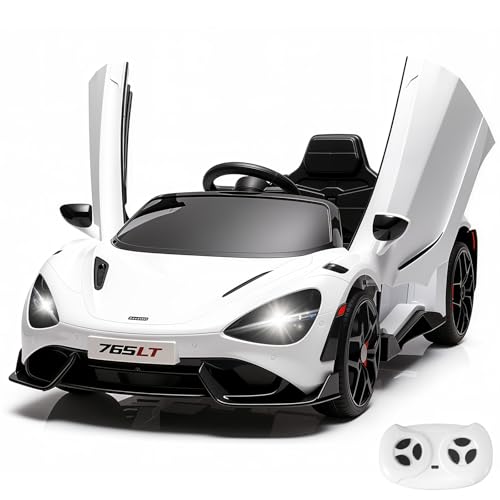
Battery Operated Cars for 8 Year Olds: The Complete Parent's Guide
Everything you need to know before choosing a ride-on electric car for your 8-year-old — features, safety, terrain capability, and expert recommendations.
EXPLORE TOP PICKSWhy this guide matters: Eight years old is a pivotal age for ride-on toys. Children at this stage have developed coordination, spatial awareness, and a strong desire for independence — yet they still need appropriate safety limits. A battery operated car can be a thrilling, confidence-building experience, but choosing the wrong model can lead to frustration, poor durability, or safety concerns. This guide walks you through every consideration so you can make an informed decision with confidence.
Why 8-Year-Olds Are Ready for Ride-On Cars
By age eight, most children have the motor skills, reaction time, and judgment to operate a battery powered ride-on vehicle responsibly — especially when supervised. They can steer, brake, and navigate around obstacles. More importantly, they understand basic safety rules and can follow instructions about boundaries and speed limits.
Ride-on cars at this age offer more than just fun. They build spatial reasoning, teach cause-and-effect relationships, and encourage outdoor play — a valuable counterbalance to screen time. Many models also support imaginative play, letting kids role-play driving adventures that fuel creativity.
If you're exploring broader age-based options, our age-appropriate toys guide provides a helpful framework. For a wider view of ride-on options across age groups, see our battery operated ride-on toys overview.
Key Features to Evaluate Before You Choose
Not all battery operated cars are built the same. For an 8-year-old, you'll want to prioritize safety, durability, and terrain capability. Here's what to examine:
1. Speed and Power
Most ride-on cars for this age group offer multiple speed settings — typically a lower "beginner" mode and a higher "experienced" mode. Look for models with a top speed that is appropriate for your child's experience level. A model with two or more forward speeds gives you flexibility as your child gains confidence.
2. Battery Life and Charging
Battery run time varies significantly between models. Entry-level models may offer 45–60 minutes of continuous use, while mid-range and premium models often deliver 90 minutes or more. Consider how long your child typically plays outdoors and whether a spare battery option is available. If you're also looking at charging accessories, see our 6-volt battery charger for toy car resource.
3. Terrain Capability
Will your child drive on pavement, grass, gravel, or dirt? The tire type and suspension system matter enormously. Rubber tires with deep treads handle uneven surfaces far better than hard plastic wheels. For families who want all-terrain capability, models like the all-terrain monster truck remote control offer rugged construction suited to rougher play areas.
4. Safety Features
Essential safety features for an 8-year-old include:
- Seat belt or harness — even for older kids, a secure restraint is important
- Parental remote control — allows you to override speed or stop the car remotely
- Soft-start and soft-brake technology — prevents jerky movements that can startle or injure
- Sturdy construction and wide wheelbase — reduces rollover risk
For a deeper look at remote-control-capable models, see our guide on battery operated ride-on car with remote control.
5. Build Quality and Materials
Look for reinforced frames, heavy-duty plastic or metal components, and weather-resistant finishes. A solid build not only lasts longer but also provides a safer driving experience. Entry-level models often use lighter plastics, while premium and high-end tier models typically feature metal-reinforced chassis and more robust suspension systems.
6. Seating and Comfort
An 8-year-old may be near the upper limit for some ride-on cars. Check the weight capacity and seat dimensions carefully. A comfortable, properly sized seat encourages longer play sessions and reduces the risk of your child outgrowing the car quickly.
Comparison Table: Ride-On Car Tiers at a Glance
The following table breaks down the typical feature sets across product tiers, helping you match your expectations to the market segment.
| Tier | Best For | Typical Speed Settings | Battery Run Time | Terrain | Key Highlights |
|---|---|---|---|---|---|
| Entry-level | First-time riders, paved surfaces | Single or dual speed | 45–60 minutes | Pavement, flat surfaces | Lightweight plastic body, basic seat belt, simple controls |
| Mid-range | Experienced riders, mixed surfaces | 2–3 forward speeds + reverse | 60–90 minutes | Pavement, short grass, gravel | Rubber tires, improved suspension, parental remote, LED lights |
| Premium | Frequent use, varied terrain | 3+ speeds + reverse, soft-start | 90–120+ minutes | Grass, dirt, uneven ground | Metal-reinforced frame, heavy-duty tires, advanced suspension, spare battery option |
| High-end tier | Serious riders, all-terrain use | Multi-speed, responsive braking | 120+ minutes, swappable | All-terrain including hills | Professional-grade components, large rubber tires, premium seating, full remote override |
For a broader range of options across age groups, you may also want to explore our battery ride-on toys for 8 year olds collection and the battery powered ride-on toys category page.
Safety Guidelines Every Parent Should Know
Even the safest ride-on car requires active supervision and sensible rules. Here are the non-negotiables:
- Always supervise. An 8-year-old should never ride without an adult present, especially near driveways, streets, or slopes.
- Set boundaries. Define a safe driving zone — a fenced yard, a quiet cul-de-sac, or a park path. Avoid areas with traffic, steep drops, or water.
- Require protective gear. A helmet and closed-toe shoes are essential. Knee and elbow pads are a good idea for faster models.
- Check the car regularly. Inspect tires, seat belts, battery connections, and steering before each use. Tighten any loose bolts or screws.
- Respect weight limits. Exceeding the manufacturer's weight capacity compromises safety and performance.
- Charge safely. Use only the charger supplied with the vehicle. Never charge overnight unattended. For charger-specific guidance, see our 6-volt battery charger for toy car page.
For more general safety advice, review our comprehensive toy safety guide and our guide to understanding age safety labels.
Battery Care and Maintenance Tips
A battery operated car is only as good as its battery. Follow these practices to maximize lifespan and performance:
- Charge after every use. Don't let the battery drain completely. Recharge after each session, even if the car was used briefly.
- Store in a cool, dry place. Extreme heat or cold degrades battery capacity. Bring the car indoors or into a garage during off-seasons.
- Charge fully before storage. If the car won't be used for weeks, charge the battery fully and disconnect it.
- Inspect the charger. Look for frayed wires or damaged plugs. Replace damaged chargers immediately.
For families looking at older-child options, our battery operated cars for 10 year olds guide may also be useful as a next-step reference.
Frequently Asked Questions
What is the ideal speed for an 8-year-old's ride-on car?
Most 8-year-olds do well with a car that offers a top speed in the moderate range with a lower-speed setting for beginners. Look for models with at least two forward speed options so your child can progress gradually. Parental remote override is a valuable safety net for the first few weeks.
How long does the battery typically last per charge?
Entry-level models generally provide 45–60 minutes of continuous use. Mid-range and premium models often deliver 90 minutes or more. Actual run time depends on terrain, rider weight, and speed settings. Having a spare battery or a model with fast-charging capability can extend play sessions.
Can an 8-year-old drive a ride-on car on grass?
Yes, but the car needs appropriate tires and sufficient power. Entry-level models with hard plastic wheels struggle on grass. Mid-range and premium models with rubber tires and better suspension handle short grass and uneven surfaces much more effectively. For all-terrain capability, see options like the all-terrain monster truck remote control.
Is a parental remote control necessary for an 8-year-old?
It's highly recommended, especially for first-time riders or if your child will be driving near boundaries or obstacles. A remote control lets you reduce speed or stop the car instantly if needed. Many mid-range and premium models include this feature. See our guide on battery operated ride-on car with remote control for specific recommendations.
How do I know if my child is too big for a ride-on car?
Check the manufacturer's weight capacity and seat dimensions. If your child's knees are cramped against the dashboard or their head is above the roll bar, the car is too small. An 8-year-old is often near the upper limit for smaller ride-on toys, so prioritize models with generous seating and a higher weight capacity.
What should I look for in terms of build quality?
Look for reinforced frames, heavy-duty tires, and weather-resistant finishes. Premium and high-end tier models typically feature metal-reinforced chassis, better suspension, and more durable components. Solid build quality not only extends the car's lifespan but also improves safety by reducing the risk of structural failure.
Final Verdict: Choosing the Right Ride-On Car for Your 8-Year-Old
The best battery operated car for an 8-year-old balances safety, durability, and fun. Prioritize models with multiple speed settings, a parental remote control, and tires suited to your child's typical driving surface. Don't overlook build quality — a durable construction and reinforced frame will serve your family far better in the long run than a lightweight alternative.
If your child is new to ride-on cars, start with a mid-range model that offers room to grow. If they're experienced and eager for more capability, a premium or high-end tier model with all-terrain features and extended battery life is a worthwhile investment. Whichever tier you choose, active supervision and consistent safety rules are the most important factors in ensuring a safe, enjoyable experience.
For further reading, explore our battery powered ride-on toys for 7 year olds and battery operated cars for 6 year olds guides to see how the options evolve across age groups.