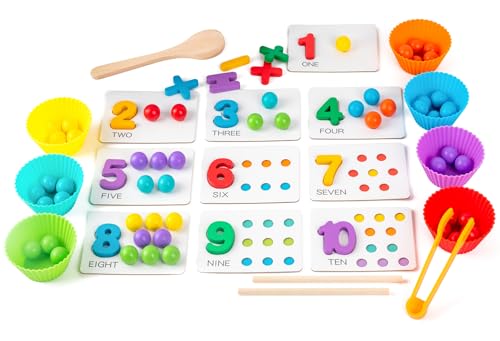
Fine Motor Skills Toys: The Ultimate Guide for Parents & Educators
Discover expert-approved toys that strengthen little hands, boost coordination, and build essential life skills through playful learning. From threading to stacking, find the perfect developmental toy for every age.
Shop Top Fine Motor Toys →🧸 Why Fine Motor Skills Matter: Fine motor skills involve the coordination of small muscles in the hands and fingers. These skills are crucial for everyday tasks like writing, buttoning, and using utensils. The right toys can transform playtime into a powerful developmental session, building dexterity, hand-eye coordination, and concentration. This guide helps you choose toys that are both fun and therapeutic, supporting your child's growth at every stage.
What to Look for in Fine Motor Toys
Key Features to Consider
- Grasp & Grip: Toys that encourage pincer grasp (thumb and forefinger) like pegboards and small blocks.
- Hand-Eye Coordination: Activities that require precise movements, such as threading beads or using tweezers.
- Bilateral Coordination: Toys that require using both hands together, like lacing cards or construction sets.
- Sensory Feedback: Textured surfaces, squishy materials, and responsive elements that engage multiple senses.
- Adjustable Challenge: Toys that grow with the child, offering varying difficulty levels to keep them engaged.
Developmental Benefits
- Improves writing and drawing readiness
- Enhances self-care skills (dressing, feeding)
- Boosts cognitive development and problem-solving
- Increases attention span and focus
- Builds confidence and independence
Top Fine Motor Toys by Age Group
Choosing the right toy for your child's developmental stage ensures they stay challenged without becoming frustrated. Here are our top picks for each age group:
👶 Babies & Toddlers (0–2 Years)
Focus: Grasping, reaching, and hand-mouth coordination.
- Stacking Rings: Classic toys that teach size sequencing and hand-eye coordination.
- Soft Building Blocks: Easy to grasp and squeeze, promoting early manipulation.
- Rattle & Teether Sets: Encourage grasping and sensory exploration.
- Activity Cubes: Offer a variety of textures, knobs, and buttons to explore.
Price range: $15–$40
🎨 Preschoolers (3–5 Years)
Focus: Pincer grasp, bilateral coordination, and tool use.
- Bead Threading Sets: Perfect for developing hand-eye coordination and concentration.
- Play-Doh & Clay Tools: Squeezing, rolling, and cutting strengthen hand muscles.
- Pegboard Puzzles: Encourage precise placement and pattern recognition.
- Child-Safe Scissors & Craft Kits: Build fine motor control through cutting and pasting.
Price range: $12–$35
🧩 School-Age Kids (6–8 Years)
Focus: Precision, endurance, and complex sequences.
- Lego & Building Sets: Require precise finger movements and planning.
- Jewelry Making Kits: Combine creativity with fine motor challenges.
- Origami & Paper Folding: Develops bilateral coordination and spatial awareness.
- Marble Runs & Construction Toys: Encourage problem-solving and dexterity.
Price range: $20–$60
🚀 Older Kids & Teens (9+ Years)
Focus: Refinement, endurance, and intricate projects.
- Model Kits (Cars, Planes, etc.): Require patience and precise assembly.
- Embroidery & Sewing Kits: Build fine motor control and focus.
- Mechanical Puzzles & Brain Teasers: Challenge dexterity and cognitive skills.
- Robotics & Engineering Kits: Combine fine motor skills with STEM learning.
Price range: $25–$100+
Tips for Maximizing Fine Motor Development
- Incorporate Everyday Activities: Encourage buttoning, zipping, and using utensils during meals.
- Use Sensory Materials: Play with rice, sand, or water to strengthen finger muscles.
- Rotate Toys: Keep a selection of fine motor toys available and rotate them to maintain interest.
- Practice Without Pressure: Let kids explore at their own pace; the goal is enjoyment, not perfection.
- Praise Effort: Celebrate small victories to build confidence and motivation.
For more targeted recommendations, explore our guides on sensory toys for 3-year-olds with autism, educational toys for infants, and fine motor toys for 12–18 months. You might also find our non-toy gift ideas for one-year-olds useful for alternative development strategies.