Toys and Games for 6 Month Old: The Complete Play Guide
Your baby is becoming more curious, active, and interactive every day. Discover which toys and games best support this exciting developmental stage — from sensory exploration to early cause-and-effect learning.
See Top PicksWhy 6 months is a magical play stage: At six months, most babies can sit with support, reach for objects, pass items between hands, and show clear preferences. Their play is driven by curiosity — they want to touch, mouth, shake, and explore everything. The right toys channel that energy into developmental progress, building fine motor skills, visual tracking, and the first understanding of cause and effect. This guide covers exactly what to look for, which toy types work best, and how to play intentionally with your baby.
What Your 6 Month Old Is Learning Through Play
Before choosing toys, it helps to understand what skills your baby is actively developing. Each toy type below targets one or more of these key milestones.
- Fine motor control: Grasping smaller objects, transferring items hand-to-hand, and releasing deliberately.
- Sitting balance: Many 6 month olds sit with hands propped or free, so toys that engage them at floor level support core strength.
- Cause-and-effect reasoning: Shaking a rattle and hearing a sound, or pressing a button and seeing a light, teaches that actions produce results.
- Visual tracking and depth perception: Following moving objects and judging distance when reaching.
- Oral exploration: Mouthing is a primary way babies learn texture and soothe teething gums — safe chewable toys are essential.
- Social bonding: Interactive games with caregivers build language foundations and emotional security.
Best Toy Categories for 6 Month Olds
Sensory Rattles & Shakers
Lightweight rattles with textured handles let babies practice grasping while discovering sound. Look for models with easy-to-grip shapes and soft or smooth edges. These are foundational tools for cause-and-effect learning.
Best for: Grasping, auditory stimulation, hand-eye coordination.
Teething Toys & Chewables
Since mouthing is a major learning channel at this age, safe teething toys are non-negotiable. Choose BPA-free, food-grade silicone or natural rubber options in varied textures. Many combine teething surfaces with rattle or crinkle features for dual engagement.
Best for: Oral motor development, gum relief, texture exploration. See our teething toys guide.
Soft Activity Books & Crinkle Toys
Fabric books with crinkle pages, high-contrast patterns, and different textures encourage visual tracking and tactile discovery. They are lightweight enough for babies to hold and safe for mouthing during floor play.
Best for: Visual development, page-turning practice, tummy time engagement.
Textured Balls
Balls with nubby, bumpy, or ridged surfaces are perfect for rolling, squeezing, and grasping. They help babies practice releasing objects and tracking movement across the floor — an early lesson in physics.
Best for: Grip strength, rolling play, tracking moving objects.
Mirror Toys
Unbreakable baby-safe mirrors fascinate 6 month olds, who are beginning to recognize faces. Floor mirrors or mirror panels on activity centers support self-awareness and visual focus. Always ensure the mirror is shatterproof.
Best for: Self-recognition, visual attention, tummy time motivation.
Simple Stacking & Nesting Toys
Large, soft stacking cups or rings introduce the concept of size and order without frustration. At this age, babies mainly knock them down and mouth them — the learning comes from repetition and cause-and-effect.
Best for: Early problem-solving, size awareness, motor planning.
Activity Centers & Play Gyms
Floor activity centers with dangling toys, mirrors, and sensory panels offer rich stimulation for babies practicing sitting and reaching. Choose models with adjustable heights or convertible designs that grow with your baby.
Best for: Reaching, sitting practice, multi-sensory engagement.
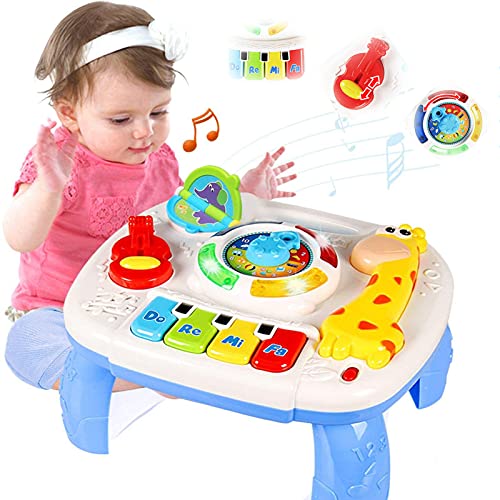
Interactive Electronic Learning Toys
Simple electronic toys with gentle music, lights, and tactile buttons can be engaging — but choose models with volume control and avoid overly stimulating designs. The best electronic toys prompt interaction rather than passive watching.
Best for: Cause-and-effect learning, auditory discrimination, button-pressing practice.
Toy Category Comparison at a Glance
| Toy Category | Tier | Primary Skill | Best For |
|---|---|---|---|
| Sensory Rattles & Shakers | Essential Tier | Grasping & auditory | Floor play, tummy time |
| Teething Toys & Chewables | Essential Tier | Oral motor & texture | Soothing, independent play |
| Soft Activity Books | Balanced Tier | Visual & tactile | Quiet time, stroller play |
| Textured Balls | Balanced Tier | Grip & tracking | Rolling games, crawling prep |
| Mirror Toys | Mid-Tier | Self-recognition | Tummy time, floor mirrors |
| Stacking & Nesting Toys | Mid-Tier | Problem-solving | Sitting play, repetition |
| Activity Centers | High-End Tier | Multi-sensory | Extended floor sessions |
| Electronic Learning Toys | High-End Tier | Cause-and-effect | Interactive caregiver play |
Simple Games to Play With Your 6 Month Old
Toys are tools — the real magic happens when you play together. These low-prep games use everyday toys and household items to reinforce developmental skills.
1. Peekaboo With a Scarf or Cloth
Hide a favorite small toy under a lightweight cloth and ask "Where did it go?" before revealing it. This builds object permanence — the understanding that things exist even when out of sight, a major cognitive leap at this age.
2. Rattle Shake & Copy
Shake a rattle, then pause and let your baby try. Copy the sounds they make back to them. This turn-taking game builds communication skills and teaches cause and effect through imitation.
3. Roll the Ball Back and Forth
Sit facing your baby with legs spread, and gently roll a textured ball between you. This practices visual tracking, reaching, and the beginning of cooperative play. Cheer each successful roll.
4. Textured Treasure Basket
Fill a shallow basket with safe household items of varied textures — a wooden spoon, a soft washcloth, a silicone spatula, a crinkle toy. Let your baby explore freely while you supervise. This is a simple, powerful sensory activity.
5. Sing and Clap With Baby
Simple songs like "Pat-a-Cake" or "Itsy Bitsy Spider" with hand motions introduce rhythm, language patterns, and joyful social interaction. Your baby learns by watching your face and hands.
⚠️ Toy Safety Checklist for 6 Month Olds
- Choose toys labeled for ages 6 months and up — this ensures they meet safety standards for this developmental stage.
- Avoid any toy with small detachable parts that could become choking hazards.
- Check that all seams, battery compartments, and joints are secure and cannot be opened by small hands.
- Choose non-toxic, BPA-free materials — especially for toys that will be mouthed.
- Avoid toys with long strings, cords, or ribbons that pose strangulation risks.
- Inspect toys regularly for wear, cracks, or loose parts, and remove damaged toys immediately.
- Always supervise floor play — a 6 month old should never play with small toys unattended.
- Ensure electronic toys have volume control and secure battery covers with screws.
How to Choose Toys for a 6 Month Old
When selecting toys, focus on how they support your baby's current abilities rather than how many features they have. The best toys for this age are simple, durable, and open-ended. Prioritize sensory variety — different textures, sounds, and visual patterns — over flashy electronics. Also consider how the toy fits your play routine: floor-play toys for tummy time, portable toys for stroller rides, and soothing teething toys for quiet moments. If you are also looking for gifts for a 6 month old, or want to explore broader toys and activities for 6 month old babies, our related guides offer more ideas. For parents comparing this stage with the next, our 3 month old activity guide and 5 month old toy guide provide useful context on how play evolves.
Frequently Asked Questions
What types of toys are best for a 6 month old baby?
Sensory toys that engage sight, sound, and touch are ideal. Soft rattles, teething toys, textured balls, mirror toys, and crinkle books top the list. These support developing motor skills and curiosity.
How do toys help a 6 month old's development?
Toys support grasping, sitting balance, hand-eye coordination, and cause-and-effect understanding. Interactive play also builds cognitive skills and social-emotional bonding with caregivers.
Are electronic toys suitable for a 6 month old?
Simple electronic toys with gentle sounds and lights can be appropriate, but they should not replace hands-on sensory play. Choose toys with volume control that encourage interaction rather than passive watching.
What safety features should I look for in toys for 6 month olds?
Look for age-appropriate labeling, no small detachable parts, smooth edges, non-toxic materials, and secure battery compartments. Avoid long strings or cords and always supervise play.
How often should I rotate toys for a 6 month old?
Rotating toys every few days to a week helps maintain interest and prevents overstimulation. Keep 3-5 toys accessible at a time and store the rest, bringing them out later to feel new again. Our toy rotation system guide explains how to set this up.
The Bottom Line
At 6 months, your baby is learning through every reach, mouth, and shake. The right toys — simple, safe, sensory-rich — turn everyday play into powerful developmental progress. You do not need a huge collection; a thoughtful handful of essential-tier and balanced-tier toys, combined with engaged caregiver play, is more than enough. As your baby grows, you can expand into more complex options like those in our earlier stage guide or plan ahead with broader toy guides. Start with the categories above, rotate them thoughtfully, and enjoy watching your little one discover the world — one toy at a time.