Toys and Activities for 6 Month Old: The Complete Guide
Your baby is now sitting with support, reaching for everything, and exploring the world through their senses. Discover the perfect toys and activities to support this exciting developmental stage.
Explore Top ToysWhy the 6-Month Mark Matters: At six months, your baby is undergoing a remarkable transformation. They're likely rolling over, sitting with minimal support, and developing the hand-eye coordination to grasp and examine objects. This is the perfect window to introduce toys that stimulate their senses, encourage cause-and-effect discovery, and support emerging motor skills. Our comprehensive guide covers developmentally appropriate toys, engaging activities, and essential safety considerations to help you make informed choices during this critical developmental period.
Key Developmental Milestones at 6 Months
Understanding what your baby is learning helps you choose toys that match their abilities and challenge them appropriately. Here's what most 6-month-olds are working on:
| Development Area | Typical Milestones | Toy Features to Support |
|---|---|---|
| Motor Skills | Sitting with support, rolling over, reaching and grasping | Lightweight rattles, soft blocks, activity centers |
| Sensory Development | Exploring textures, tracking moving objects, responding to sounds | Textured balls, musical toys, high-contrast patterns |
| Cognitive Skills | Cause-and-effect understanding, object permanence beginning | Pop-up toys, activity boards, peek-a-boo books |
| Social-Emotional | Smiling at familiar faces, responding to name, babbling | Mirrors, soft dolls, interactive books with faces |
| Language | Babbling, responding to sounds, recognizing familiar words | Board books, singing toys, talking activity centers |
Best Toys for 6 Month Olds
When selecting toys for your 6-month-old, prioritize items that are safe, easy to grasp, and offer multiple ways to play. Here are our top recommendations organized by category:
-
Sensory Rattles and Shakers
Lightweight rattles with easy-grip handles help develop grasping skills and teach cause-and-effect as your baby learns that shaking produces sound. Look for models with different textures and soft, gentle sounds.
-
Teething Toys
With teething often peaking around 6 months, teething toys provide safe relief while encouraging mouth exploration. Choose BPA-free, freezer-safe options with varied textures.
-
Soft Building Blocks
Soft, squeezable blocks with bright colors and textured surfaces allow your baby to practice stacking, knocking down, and grasping without risk of injury.
-
Board Books
Sturdy board books with high-contrast images, mirrors, and textured pages introduce early literacy concepts and support language development through shared reading.
-
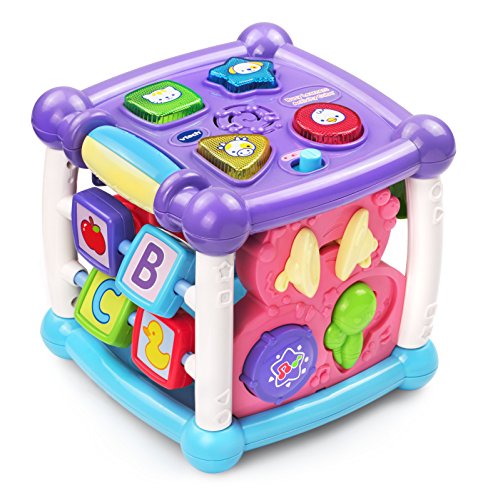
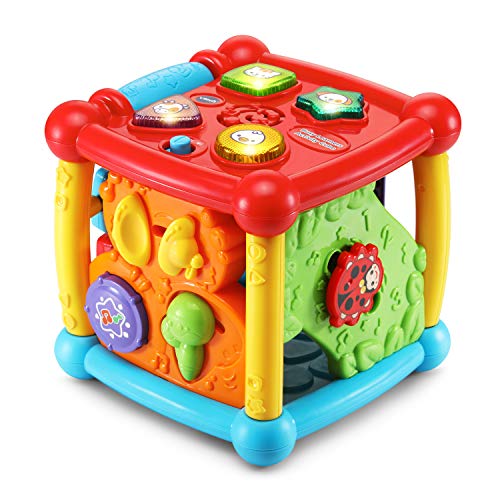
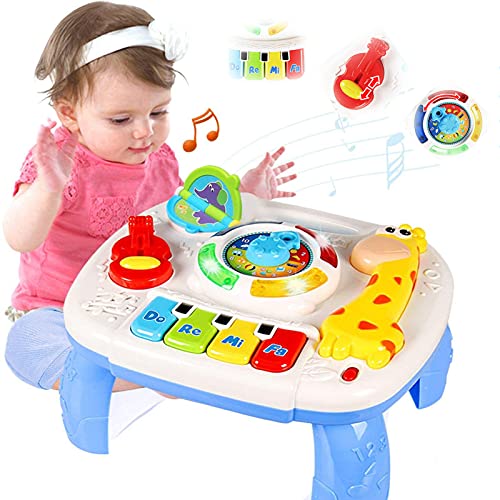
Musical Activity Toys
Toys that produce gentle music or sounds when manipulated teach cause-and-effect and rhythm awareness. Look for volume-controlled options to protect sensitive ears.
-
Baby-Safe Mirrors
Unbreakable mirrors help babies develop self-awareness and visual tracking skills. Many activity centers include mirrors as a key feature for this developmental stage.
-
Textured Sensory Balls
Balls with different textures, sounds, and colors encourage reaching, rolling, and tactile exploration. Ensure they're large enough to prevent choking hazards.
-
Activity Centers and Play Gyms
Floor-based activity centers with hanging toys, mirrors, and textured surfaces support tummy time and sitting practice while offering multiple sensory experiences.
Engaging Activities for 6 Month Olds
Beyond toys, simple interactive activities strengthen your bond and support development. Here are age-appropriate activities to incorporate into your daily routine:
🤸 Tummy Time Adventures
Place interesting toys just out of reach during tummy time to encourage stretching and reaching. Use mirrors and textured mats to make the experience engaging. Aim for several short sessions throughout the day.
🎭 Peek-a-Boo Games
Classic peek-a-boo helps babies understand object permanence—the concept that things exist even when hidden. Use scarves, hands, or toys to play this game, which also builds social connection.
🎶 Singing with Gestures
Songs like "Itsy Bitsy Spider" and "Pat-a-Cake" with accompanying hand movements support language development, rhythm recognition, and motor skills through imitation.
🛁 Bath Time Exploration
Water play during bath time introduces basic physics concepts and sensory experiences. Include safe bath toys and practice gentle splashing and pouring activities together.
📚 Shared Reading
Reading board books with your baby builds language skills, attention span, and emotional bonding. Point to pictures, use expressive voices, and let your baby explore the book's textures.
🤲 Texture Treasure Hunt
Create a collection of safe household items with different textures—soft fabric, smooth plastic, bumpy silicone—and let your baby explore them under supervision. This builds tactile awareness.
⚠️ Essential Toy Safety Guidelines
At 6 months, babies explore primarily through their mouths, making safety paramount. Follow these guidelines when selecting and using toys:
- Size matters: Avoid toys with parts smaller than 1.25 inches (3 cm) in diameter—anything smaller poses a choking risk. Use a choke tube tester if unsure.
- No loose parts: Ensure buttons, eyes, and decorations are securely attached. Check regularly for wear and tear.
- Material safety: Choose BPA-free, phthalate-free, and non-toxic materials. Avoid vintage or older toys that may contain lead paint.
- No strings or cords: Anything longer than 7 inches poses a strangulation risk. Remove ribbons, strings, and cords from toys.
- Age-appropriate labeling: Always follow manufacturer age recommendations. "0+" or "6+ months" labels indicate safety testing for that age group.
- Supervision is non-negotiable: Never leave your baby unattended with toys, especially during tummy time or play with new items.
Why Toy Rotation Works at This Age
Six-month-olds can become easily overstimulated by too many options. Implementing a toy rotation system—where you keep a small selection of toys accessible and rotate them weekly—helps maintain novelty and engagement while reducing clutter. This approach also aligns with how babies learn: through focused, repeated exploration of a few quality items rather than scattered attention across many toys.
Ready to Build Your Baby's Toy Collection?
Explore our curated selection of developmentally appropriate toys for 6-month-olds, carefully chosen to support your baby's growth and discovery at this exciting stage.
View Recommended ToysFrequently Asked Questions
What toys are best for a 6 month old?
The best toys for 6 month olds include sensory rattles, teething toys, soft blocks, board books, textured balls, and activity centers. Look for items that encourage grasping, sitting practice, cause-and-effect learning, and sensory exploration. Safety should always be the priority—choose toys labeled for 6+ months with no small parts.
How much playtime does a 6 month old need?
A 6 month old benefits from short, frequent play sessions throughout the day. Aim for 10-15 minute interactive play sessions several times daily, plus plenty of supervised floor time for free movement and exploration. Watch for signs of overstimulation—fussiness, turning away, or rubbing eyes—and offer quiet breaks as needed.
What activities help 6 month old development?
Key activities for 6 month olds include tummy time, reaching for toys, peek-a-boo, reading board books, singing songs with gestures, and supervised water play during bath time. These activities support motor skills, social interaction, sensory development, and early language acquisition. The most important ingredient is your engaged interaction—your baby learns best through play with you.
Are electronic toys good for 6 month olds?
Electronic toys can be engaging but should be used sparingly and always with supervision. Choose models with volume control and gentle sounds. Traditional toys like rattles, blocks, and board books are often more effective for this age because they encourage active exploration rather than passive observation. Balance is key—mix electronic and traditional toys.
How do I know if a toy is safe for my 6 month old?
Check for age-appropriate labeling (6+ months), ensure there are no small detachable parts, verify non-toxic materials, and inspect for sharp edges or loose strings. The choke test—if a toy or its parts fit entirely inside a toilet paper tube, it's too small. Always supervise play and regularly inspect toys for wear and damage.