Toys and Activities for 3 Month Old: A Complete Guide
Your baby is growing fast, and at 3 months they are more alert, curious, and ready to engage with the world. Discover which toys and activities best support their sensory, motor, and cognitive development — and learn how to choose the right play essentials for this exciting stage.
Explore Top Picks🌟 Why This Stage Matters: At 3 months, your baby is transitioning from reflexive movements to purposeful actions. They can track objects with their eyes, bring hands to mouth, and start to coo and babble. The right toys and activities during this window help strengthen neck muscles, improve hand-eye coordination, and stimulate cognitive growth — all while keeping playtime safe, engaging, and joyful.
Key Developmental Milestones at 3 Months
Understanding what your baby is working on helps you choose toys and activities that match their abilities and gently challenge them. Here are the primary developmental milestones you will likely observe around 3 months:
👀 Visual Tracking
Babies can follow moving objects with their eyes and show a preference for faces and high-contrast patterns. They begin to recognize familiar people and objects.
🙌 Hand-Eye Coordination
Your baby starts to swipe at dangling objects and may bring their hands together. Purposeful reaching typically emerges between 3 and 4 months.
💪 Head and Neck Control
During tummy time, babies can lift their heads and chests, building the strength needed for rolling over and, eventually, sitting up.
🗣️ Social and Vocal Sounds
Cooing, gurgling, and early babbling become more frequent. Babies respond to familiar voices with smiles and excited movements.
💡 Expert Tip: Every baby develops at their own pace. These milestones are general guides, not strict deadlines. If you have concerns about your baby's development, consult your pediatrician. For more stage-specific guidance, explore our guides on toys and activities for 6 month olds to see what comes next.
Best Toys for a 3 Month Old
At this age, less is more. Babies do not need a mountain of toys — they need a few well-chosen items that stimulate their senses without causing overstimulation. Look for toys that are lightweight, easy to grasp, and safe for mouthing, since everything inevitably ends up near your baby's mouth. Here are the categories that deliver the most developmental value at 3 months:
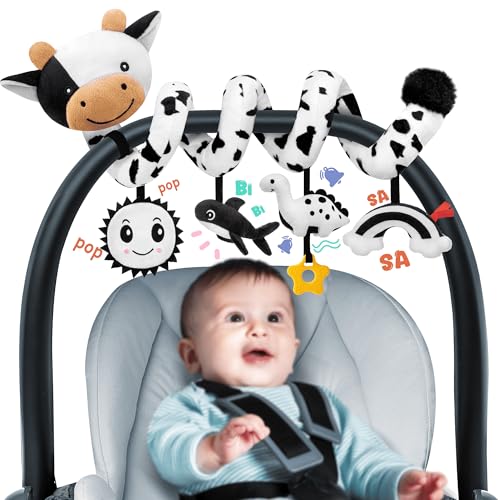
- High-Contrast Sensory Toys: Black-and-white or bold-patterned soft books, cards, and plush toys help sharpen visual focus. For a broader selection of sensory essentials, browse teething toys that double as visual and tactile stimulation.
- Gentle Rattles and Wrist Rattles: Lightweight rattles that attach to wrists or ankles let your baby discover cause-and-effect — "I move, it makes sound!" This is a foundational cognitive skill.
- Soft Activity Books: Crinkle pages and textured fabrics encourage grabbing and turning pages, building fine motor skills and early literacy exposure.
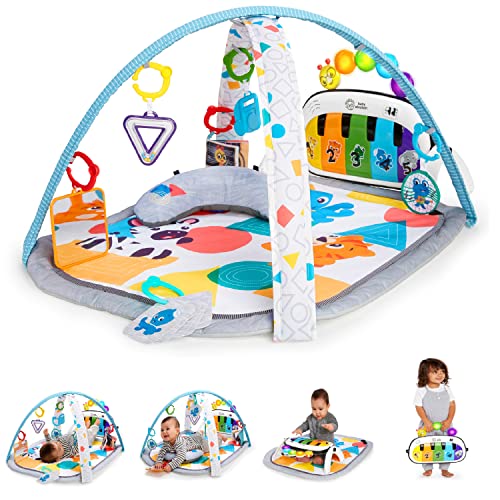
- Dangling Crib or Stroller Toys: Mobiles and clip-on toys with simple, high-contrast shapes promote visual tracking and reaching. Ensure they are securely attached and remove them once your baby can push up on hands and knees.
- Tummy Time Mirrors: A baby-safe mirror placed during tummy time motivates your baby to lift their head and engages their curiosity about faces.
To explore a wider range of age-appropriate options, visit our toys and games for 6 month olds guide — many of those items are also suitable for slightly older babies and can grow with your child. Additionally, our gifts for a 6 month old page offers ideas that bridge the gap between early infancy and active sitting.
Toy Tier Comparison for 3 Month Olds
To help you decide which type of toy to prioritize, here is a tier-based comparison that focuses on features and developmental benefits rather than numeric values. Use this guide to match your selection with your baby's needs and your family's preferences.
| Tier | Best For | Key Features | Developmental Focus |
|---|---|---|---|
| Essential Tier | Everyday sensory exploration | High-contrast visuals, soft textures, lightweight rattles, crinkle books | Visual tracking, early grasping, tactile awareness |
| Balanced Tier | Interactive play and tummy time | Activity gyms with dangling toys, baby-safe mirrors, wrist/ankle rattles | Head and neck strength, hand-eye coordination, cause-and-effect learning |
| Top-Tier | Long-term growth and multi-stage use | Convertible play gyms, Montessori-inspired sensory sets, toys that adapt from lying to sitting play | Holistic development, sustained engagement, transition to next milestones |
💡 Selection Tip: Start with a few essential-tier items and observe what captures your baby's attention. Then invest in a balanced-tier or top-tier option once you know their preferences. For more ideas on toys that support older infants, see our toys for 5 month olds guide.
Engaging Activities for Your 3 Month Old
Toys are only part of the equation. Simple, everyday activities with you are the most powerful developmental tools at this age. Here are several practical, low-prep activities that support your baby's growth:
- Tummy Time with a Purpose: Place your baby on their tummy and position a high-contrast card or baby-safe mirror a short distance away. Gradually increase the distance as they lift their head to look. Start with 3–5 minutes per session and build up to 10–15 minutes total per day, broken into short intervals.
- Sensory Bin Exploration (Supervised): Fill a shallow bin with safe, large sensory items — soft fabric squares, crinkle paper, or textured balls — and let your baby touch and explore while you supervise closely. For inspiration, browse our toy groceries section for play food items that double as tactile learning tools.
- Singing and Rhyme Time: Songs with hand motions, like "Pat-a-Cake" and "Itsy Bitsy Spider," expose your baby to language patterns and social interaction. Your baby may not understand the words yet, but they absorb rhythm, tone, and facial expressions.
- Mirror Play: Hold a baby-safe mirror in front of your baby during floor play. This encourages self-recognition and visual focus while providing endless entertainment.
- Object Tracking with Rattles: Slowly move a rattle from side to side in your baby's field of vision. Pause occasionally to let them focus, then continue. This strengthens eye muscles and visual tracking skills.
- Reading Together: Soft, high-contrast cloth books are perfect for this age. Point to pictures, describe what you see, and let your baby feel the textures. This builds early language foundations and a positive association with books.
If you are looking for more structured activity ideas, our toys and games for 3 year olds page shows how play evolves — it is never too early to think ahead. For families planning gifts for older siblings or friends' children, our top toys for two year olds collection offers inspiration.
Safety Guidelines for Play at 3 Months
Safety is paramount during this stage, when babies explore primarily through their mouths and have limited control over their movements. Keep these guidelines in mind:
- No Small Parts: Avoid any toy with detachable pieces smaller than 1.25 inches in diameter and 2.25 inches long — these pose a choking hazard. For more on safe mouthing toys, see our teething toys guide.
- Non-Toxic Materials: Since everything goes in the mouth, ensure toys are made from baby-safe, BPA-free, and phthalate-free materials. Look for toys that meet current safety standards.
- Supervised Play Only: Never leave your baby unattended with any toy, especially during tummy time or floor play. Stay within arm's reach at all times.
- Secure Attachments: Crib and stroller toys must be firmly attached and should be removed once your baby can push up on hands and knees to prevent entanglement.
- Avoid Overstimulation: Stick to toys with gentle sounds and soft lights. Loud, flashing electronic toys can overwhelm a 3-month-old's developing senses.
For a deeper dive into choosing safe, developmentally appropriate toys across infancy, explore our top-rated educational toys for 1 year olds page — it outlines the trajectory of safe, skill-building play.
How to Choose the Right Toys for Your 3 Month Old
With so many options on the market, it helps to follow a simple framework. Consider these factors when selecting toys for your 3-month-old:
- Match Developmental Stage: Choose toys that align with current milestones — visual tracking, early grasping, and head control. Avoid toys designed for sitting or walking babies, which can be frustrating or unsafe at this stage.
- Prioritize Simplicity: Simple toys with clear cause-and-effect outcomes (like a rattle that sounds when shaken) are more developmentally valuable than complex electronic toys with multiple buttons and sounds.
- Look for Longevity: Some toys, like convertible activity gyms or high-contrast cloth books, grow with your baby and remain engaging for several months. These often represent strong value within their class.
- Check Safety Certifications: Ensure toys comply with safety regulations and carry appropriate age recommendations. When in doubt, consult the manufacturer's guidelines and your pediatrician.
- Observe Your Baby's Cues: Pay attention to what your baby reaches for, what captures their gaze, and what they ignore. Their preferences will guide you better than any product label.
For more curated recommendations, our gifts for 3 year old boy page offers ideas for when your baby grows into toddlerhood. And if you are thinking about the next stage, our toys and activities for 6 month olds guide provides a preview of what is coming.
Frequently Asked Questions
Next Steps: Growing with Your Baby
As your baby approaches 4 to 6 months, their play needs will evolve. They will begin to roll over, sit with support, and show more deliberate reaching and grasping. To stay ahead of the curve, explore our toys and activities for 6 month olds guide and our toys for 12 month olds page. You can also browse toy gift guides for age-specific inspiration and toy rotation systems to keep playtime fresh and engaging without overwhelming your little one.
Remember: the best toys are the ones that spark curiosity, invite interaction, and adapt to your baby's growing abilities. With a thoughtful selection and plenty of supervised playtime, you are setting the foundation for a lifetime of joyful learning.