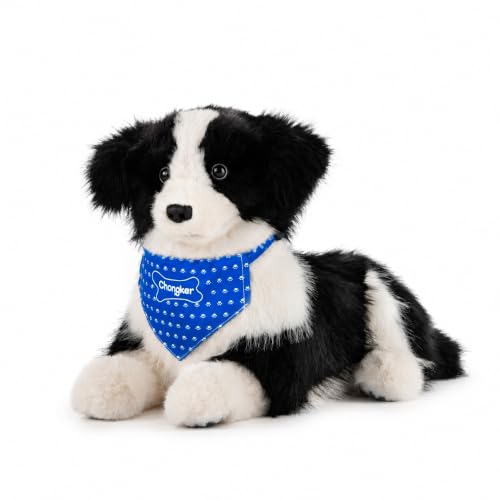
Toy Dog That Looks and Acts Real: Your Complete Guide to Lifelike Robotic Pets
Searching for a toy dog that looks and acts real? Discover how modern robotic pets mimic barks, wagging tails, breathing, and even heartbeats — and learn how to choose the right companion for kids, seniors, or collectors.
Explore Realistic Toy DogsWhy lifelike toy dogs are transforming play and companionship: A toy dog that looks and acts real bridges the gap between a plush toy and a live pet. These animatronic companions respond to touch, follow commands, and offer comfort without feeding schedules or vet visits. Whether you are buying for a child who longs for a puppy, an older adult seeking gentle companionship, or a collector who appreciates craftsmanship, this guide explains the features that matter most.
What Makes a Toy Dog Look and Act Real?
Realistic toy dogs combine three layers of engineering: appearance, motion, and responsiveness. The best models in the premium and top-tier categories excel in all three, while entry-level options usually focus on one or two. Understanding these layers helps you match a toy to the user's expectations.
Realistic Appearance
High-quality synthetic fur, glass-like eyes, articulated ears, and breed-accurate proportions create the initial illusion. Premium materials resist matting and retain shape after repeated handling.
Natural Movement
Servo-driven legs, wagging tails, head tilts, and breathing motions separate lifelike models from static plush. Mid-range and high-end tier dogs often include smooth walking and sitting sequences.
Responsive Behavior
Touch sensors, sound recognition, and sometimes voice commands trigger reactions like barking, whimpering, or rolling over. The most advanced models adapt their responses over time.
Sensory Feedback
Soft fur, weighted bodies, and even simulated heartbeat or breathing sounds deepen the emotional connection, especially for children and seniors.
How Do Lifelike Toy Dogs Work?
Behind the fur, a realistic toy dog relies on a compact combination of motors, sensors, and a control board. Touch sensors on the head and back detect petting, while microphones pick up claps or voice commands. A small speaker produces barks and whines, and rechargeable batteries power the movements. Understanding this internal setup helps you set realistic expectations: even top-tier robotic dogs operate on programmed behavior loops rather than true artificial intelligence.
Battery life is a practical consideration. Most mid-range models run for several hours of intermittent play per charge, while high-end tier units often include docking stations or quick-charge support. If the toy will be used daily by a child, look for models with easily replaceable or rechargeable power systems. You can also explore toy dogs that act like a real dog for behavior-focused comparisons.
Who Benefits Most from a Realistic Toy Dog?
These companions serve several distinct audiences, and matching the model to the user prevents disappointment:
- Children ages 5 and up: A responsive robotic dog teaches gentle handling and responsibility. Entry-level and mid-range models suit younger kids, while school-age children appreciate more complex commands.
- Seniors and memory-care residents: Companion-focused robotic pets offer calming interaction without the demands of live animal care. Weighted, soft-bodied models are often preferred in this category.
- Families testing pet readiness: A lifelike toy dog gives children a taste of pet ownership routines before committing to a live animal.
- Collectors and tech enthusiasts: Flagship-tier animatronic dogs with advanced articulation appeal to hobbyists who value engineering and breed accuracy.
If the goal is emotional comfort rather than play, consider pairing the purchase with a keepsake option such as a stuffed dog that looks like my dog for a personalized touch.
Understanding Quality Tiers for Realistic Toy Dogs
Because lifelike toy dogs vary widely in engineering, we classify them by tier rather than any other metric. This system stays useful over time and focuses on what matters: build quality and behavioral depth.
- Entry-level: Basic touch response, a few pre-programmed sounds, and simple wagging or sitting motions. Best for young children or casual gifting.
- Mid-range: Smoother movement sequences, multiple sensors, and breed-accurate fur textures. A solid choice for families and first-time buyers.
- Premium: Advanced articulation, voice recognition, and adaptive behavior loops. Well-specified for the category and ideal for daily companionship.
- Top-tier / flagship: The most lifelike motion, premium materials, docking stations, and extended behavior libraries. A long-term investment for collectors and enthusiasts.
For a broader look at realistic animal companions beyond dogs, browse our toy dogs that look real and move collection, or compare with the cutest stuffed animals in the world if softness matters more than motion.
Safety and Care Tips
Important: Always check the age recommendation on the packaging. Small detachable parts, batteries, and charging cables require adult supervision for children under six. Keep rechargeable models away from water unless explicitly rated for it. Clean synthetic fur with a damp cloth and mild soap, and store the toy in a dry place to protect the internal electronics.
For households with multiple children, a toy rotation system helps extend the life of electronic pets by preventing overuse and keeping playtime fresh. Pairing the robotic dog with related play items, such as a toy train or toy trucks, can also create richer pretend-play scenarios.
Quick Buying Checklist
- Confirm the behavior set: Does it walk, sit, bark, respond to touch, or follow voice commands? Match features to the user's age and expectations.
- Check the fur and build: Premium materials last longer and feel more realistic; entry-level fur may mat faster.
- Review power requirements: Rechargeable batteries are convenient; replaceable batteries suit remote or travel use.
- Verify age grading: Ensure the toy aligns with the child's age and safety labeling.
- Read independent reviews: Real-world feedback on durability and responsiveness is invaluable. Our toy reviews section offers detailed breakdowns.
Frequently Asked Questions
Are realistic toy dogs suitable for very young children?
Most lifelike robotic dogs are recommended for ages five and up due to small parts and electronics. For toddlers, softer plush companions from our teddy bears collection may be safer.
Can a toy dog that looks and acts real help with loneliness?
Yes. Companion-focused models with soft bodies and gentle responses are often used in senior care settings to provide comfort and reduce anxiety. They are not a substitute for professional care, but they offer meaningful interaction.
How long do these robotic pets last?
Durability depends on the tier. Premium and flagship models typically feature reinforced joints and higher-grade materials, lasting significantly longer than entry-level units with regular use.
Do they require special maintenance?
Basic care includes wiping the fur, keeping the toy dry, and charging or replacing batteries as directed. Avoid dropping the toy, as internal motors and sensors can be damaged.